Hair Loss in Men and Women: Causes and Latest Treatment Options
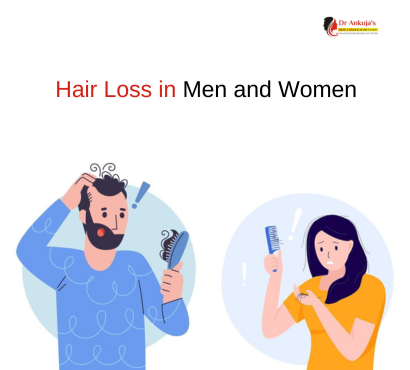
Hair loss is a deeply personal concern affecting millions across India, impacting everything from confidence and self-image to social life and even professional opportunities. Unlike wrinkles or greying, hair fall can strike at any age and for a surprising variety of reasons. For men and women alike, understanding the root cause is essential before exploring a solution—especially as the science of hair restoration has advanced far beyond old home remedies or mystery oils. This expert-written, 1,750-word blog dives into why hair loss happens, its most common causes in Indian men and women, and the best new treatments—both medical and cosmetic—available to restore hair and hope. Why Does Hair Loss Happen? The Science, Simplified Hair grows in cycles: anagen (growth), catagen (rest), telogen (shedding), and a return to anagen. At any time, 10–15% of hair is “resting” or falling—but when loss far exceeds regrowth, visible thinning, bald patches, or receding hairlines appear. Hair Loss: Symptoms and Warning Signs Excessive hair on pillows or while bathing Widowed parting or visible scalp in the mirror Patchy bald zones (circular or irregular) Receding hairline (men) Widening part, thin ponytail (women) Itchy, flaky, or burning scalp Broken hair, split ends, or “miniaturized” fuzz Common Causes of Hair Loss in India 1. Genetics Androgenetic alopecia (“male pattern” and “female pattern” baldness): The top reason for hair loss. In men, it presents as receding front or crown (vertex); in women, diffuse thinning at the part line. Genes, hormones (DHT), and a family history drive this process. 2. Hormonal Imbalance Women: Pregnancy, postpartum, PCOS, thyroid dysfunction, menopause Men: High DHT, low testosterone with age Hormonal shifts disrupt follicles’ normal cycles, causing excessive shedding. 3. Stress, Illness, and Medication Telogen effluvium: Sudden, diffuse loss triggered by high stress (exams, illness, fever, surgery, weight loss, divorce), drugs (antidepressants, high BP meds, vitamin A excess) Alopecia areata: Patchy bald spots from immune attack—can affect all ages. 4. Poor Nutrition Iron, B12, D, biotin, protein, or zinc deficiency are common in Indian vegetarians or those with crash/fad diets. Unbalanced eating habits or excessive fast food/starvation diets worsen fall. 5. Scalp Conditions Dandruff/seborrheic dermatitis: Scaly, itchy scalp aggravates loss Fungal infection (tinea capitis): Especially common in children Psoriasis/autoimmune disorders 6. Aggressive Hair Practices Heat styling, straightening, chemical colors/relaxers Tight hairstyles: Braids, buns, ponytails (traction alopecia) Extensions, weaving, and repeated bleaching 7. Environmental Factors Hard water, high urban pollution, and exposure to industrial byproducts are rampant in Indian metros. Key Differences: Hair Loss in Men vs. Women Aspect Men Women Pattern Receding hairline, crown loss Widening part, diffuse thinning Age of Onset As early as late teens Often after 30 or with hormonal change Genetics Strong family link May be present, but less predictive Hormonal Trigger DHT Estrogen, PCOS, thyroid, menopause Diagnosing Hair Loss History & Physical Exam: Pattern, duration, triggers, family background Blood Tests: Iron, B12, thyroid, hormones, vitamin D, ferritin Scalp Exam / Trichoscopy: Dermoscope for scalp condition, miniaturization patterns Pull Test / Biopsy: For sudden, severe, patchy, or painful loss Latest and Best Treatment Options (2025) Medical Treatments 1. Topical Minoxidil Over-the-counter, daily application to scalp Effective for men and women; slows loss and thickens visible hair Now available in foam, solution, and minoxidil+ combinations—higher adherence, less irritation 2. Oral Finasteride (Men) / Antiandrogens (Women) Prescription medicine that reduces DHT (hair loss hormone) in men For women, spironolactone or oral contraceptives with anti-androgen properties (for select cases) Effective, requires ongoing use, needs medical monitoring 3. Advanced Nutritional Supplementation Targeted correction of iron, vitamin D, biotin, or protein deficiency after blood tests Multinutrient capsules, customized to individual needs, now popular in clinics Procedural & Regenerative Therapies 1. PRP (Platelet Rich Plasma) Blood is drawn, concentrated, and injected into the scalp to stimulate follicles Now combined with microneedling and latest GFC (growth factor concentrate) for more powerful results 2. Microneedling Tiny controlled injuries with dermaroller/pen boost scalp circulation, collagen, and absorption of topicals/PRP 3. Low-Level Laser/Laser Helmet Therapy FDA-cleared; safe red light stimulates follicle metabolism, slows loss, and improves density 4. Hair Transplant Surgery Gold standard for advanced pattern baldness; uses your own follicles (usually from back of head) Techniques: FUE (follicular unit extraction), FUT (strip), robotic transplantation Results: Natural, permanent, but cost and recovery time must be considered 5. New – Stem Cell, Peptide, and Antibody Therapies Research clinics working on hair follicle regeneration, cell-based therapies, and personalized gene-treatments for the future of hair restoration At-Home and Natural Care Gentle, sulfate-free shampoos and conditioners Weekly oil massage (coconut, amla, bhringraj oils)—avoid heavy oil if scalp is oily or dandruff-prone Avoid regular heat styling, switch to air-drying, cover hair in high sun/pollution Onion juice, caffeine serums, rosemary oil: mild benefits for some, not a substitute for medical therapy When to Seek Medical Help? Sudden, patchy, or painful loss, especially with redness, swelling, or pus Ongoing shedding after correction of triggers (diet, stress) Visible pattern loss or receding hairline Bald spots in eyebrows/eyelashes (may indicate immune attack) Loss after pregnancy that persists >6–12 months Special Concerns: Hair Loss in Women Postpartum shedding is normal but should improve within a year Young women with severe thinning, acne, or irregular periods—screen for PCOS and thyroid Menopausal women benefit from hormone assessment and therapy integration FAQ Can hair loss be reversed with diet or home remedies alone? If caused by nutritional deficiencies or stress, correcting those often leads to regrowth. For genetic causes, medical or procedural treatments are usually needed, but early intervention improves results. What’s the safest treatment option to start with? Topical minoxidil is FDA-approved and widely safe for many. Get blood tests to rule out low iron, D, or thyroid first, then individualize therapy. Consult a dermatologist before oral meds or advanced procedures. Will the new “miracle drugs” and stem cell therapy work for everyone? Future treatments—antibody/gene/cell therapies—are promising, especially for resistant cases. However, their long-term safety, cost, and access will depend on ongoing trials and personalization.
Dandruff vs. Dry Scalp: Understanding the Difference and Solutions
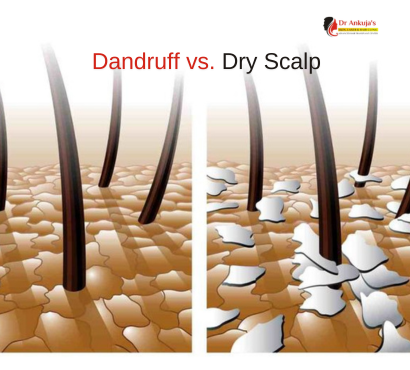
Dandruff and dry scalp are among the most common scalp issues in India. Both cause flakes and itching—but they’re not the same. Understanding their differences is crucial for effective treatment and long-term scalp health. Let’s break down how to spot each one, explore what causes them, and reveal the best solutions for an itch-free, healthy scalp. The Science: What’s the Real Difference? Dry Scalp Main Cause: Lack of moisture/oil in the scalp. Flakes: Small, dry, powdery white flakes—often finer and lighter than dandruff. Itch/Feel: Tightness, irritation, mild to intense itching, often made worse after shampooing or during cold/dry weather. Scalp/Hair: Hair is often dry, brittle, and prone to breakage. Scalp itself may look dull or ashy. Other Clues: People with dry scalp often have dry skin on other body parts, especially in winter. Dandruff Main Cause: Excess oil on scalp leads to overgrowth of Malassezia yeast (fungus). The fungus breaks down oil, producing irritants such as oleic acid that trigger inflammation and scaling. Flakes: Larger, sticky, oily, yellow-white flakes that often cluster together and cling to strands or clothing. Itch/Feel: Persistent and severe itching, sometimes redness and mild swelling. Scalp may appear greasy. Scalp/Hair: Hair can look limp, oily, and heavy. Scalp may show greasy patches. Other Clues: If you often see oily, clumped flakes even soon after shampooing, dandruff is likely. Table: Key Differences at a Glance Feature Dry Scalp Dandruff Flake appearance Small, white, powdery Large, oily, yellowish, clumped Hair feel Dry, brittle, frizzy Greasy, limp, can be flat Scalp look Dull, may be ashy, no redness Oily, red, mild swelling possible Trigger Dry/cold weather, harsh shampoo Excess oil, stress, hormone, yeast/fungus Common in Dry skin types Oily or combination scalp Skin elsewhere Usually dry Normal or even oily elsewhere Other symptoms Tightness, mild itching Persistent itching, redness Causes: Why Do These Happen? Dry Scalp Causes Over-washing or harsh shampoos Frequent use of heat styling tools Dry/cold climates or air conditioning Unbalanced diets low in healthy fats Certain medical conditions (eczema, hypothyroidism, psoriasis) Dandruff Causes Seborrheic dermatitis (mild form) Overproduction of sebum (scalp oil) Overgrowth of Malassezia yeast Hormonal changes or stress Harsh hair products aggravating oil imbalance Lack of vitamin D, immune changes How to Tell Which One You Have: At-Home Self-Test Observe the flakes: Are they small, fine, and white (likely dry scalp)? Or large, oily, sticky, and yellowish (likely dandruff)? Assess hair/scalp: Is your hair dry and frizzy, or oily and flat? Does your scalp feel tight, or greasy and itchy? Season/pattern: Worsens in winter (dry scalp), or all year long (dandruff)? Try this quick test: Apply a gentle moisturiser/coconut oil overnight. If flakes reduce by next day, it’s probably dry scalp. If not, suspect dandruff. If you have persistent, painful, or worsening symptoms, consult a dermatologist as some scalp conditions (psoriasis, seborrheic dermatitis, fungal infections) can mimic both issues. Solution Strategies: Dry Scalp vs. Dandruff Treatment For Dry Scalp Use sulfate-free, nourishing shampoos. Reduce frequency of washing. Moisturize scalp: coconut oil, aloe vera, jojoba oil mask before shampooing. Avoid hot water and heat-styling tools. Drink plenty of water and include healthy fats in diet (nuts, seeds, olive oil). Use a humidifier in dry weather. Avoid harsh hair dyes, gels, and sprays. Home care: Banana, yogurt, or avocado masks for extra hydration. For Dandruff Use anti-dandruff shampoos with ketoconazole, zinc pyrithione, selenium sulfide, coal tar, or salicylic acid. Rotate formulas if needed. Massage scalp and let shampoo sit for 2–5 minutes before rinsing. Tea tree oil or apple cider vinegar rinse (diluted) may help as natural antifungals. Regular washing to control oil production. Avoid occlusive headgear/hats when possible. Reduce sugar, refined carbs, and processed foods—promote scalp health with fresh, whole foods. Manage stress and consider vitamin D supplementation if deficient. If no improvement after 2–3 weeks, or severe symptoms: consult a doctor. You might need prescription treatments or be checked for seborrheic dermatitis/psoriasis. Indian Context: Climate, Habits, and Diet Seasonal variation: Winter/dry weather increases dry scalp, while monsoon humidity can worsen dandruff. Hair oiling: Weekly oiling is a common home remedy—but avoid heavy oils for dandruff (may worsen fungus) and focus on lighter oils for dry scalp. Diet: Traditional Indian diets, rich in omega-3 (from nuts, seeds, fish) and antioxidants, can help restore scalp balance. Pollution: Urban air can dry the scalp or increase oiliness—cover hair with a scarf when outside in cities. FAQ Can you have both dandruff and dry scalp at the same time? Yes, especially in India’s mixed climate or after using harsh shampoos that strip oil, leading to dryness even if fungal dandruff is present. Treat gently, balancing antifungal and moisturizing care. When should I visit a doctor for scalp flaking and itching? If symptoms persist beyond 2–3 weeks of home care, are painful, intensely itchy, spreading, or associated with hair loss, redness, swelling, or sores—seek a dermatologist’s advice. These may signal another skin/scalp condition. Are natural remedies like coconut oil, aloe vera, and tea tree oil safe for all? Generally, yes for mild, non-allergic individuals, but do a patch test to be sure. Don’t use essential oils undiluted and always follow up with gentle washing. For severe or recurrent cases, medical products may be needed.
Hair and Scalp-Related Topics
Healthy hair starts at the scalp, but for many, issues like hair loss, itching, and flakiness disrupt confidence and day-to-day comfort. India’s climate, genetics, and lifestyle bring unique challenges—and unique solutions. Here is a comprehensive, human-written guide on common hair and scalp problems, causes, treatments, and best practices for lifelong healthy hair. Common Hair and Scalp Problems in India 1. Hair Fall and Thinning Reasons: Genetics (androgenetic alopecia), hormonal changes, stress, poor nutrition, pollution, frequent use of heat styling tools, chemical treatments, and tight hairstyles. Symptoms: Gradual thinning, widening of part, excessive hair shed after washing or combing, receding hairline. 2. Dandruff and Seborrheic Dermatitis Reasons: Overgrowth of yeast (Malassezia), oily scalp, poor hygiene, stress, or hormonal imbalances. Symptoms: Itching, flakiness, visible scales on the scalp, sometimes associated with hair fall. 3. Split Ends and Hair Breakage Reasons: Heat styling, over-brushing, sun exposure, harsh shampoos or chemical treatments, environmental damage. Symptoms: Hair feels brittle, dry; visible splits at the ends. 4. Scalp Itchiness and Tenderness Possible causes include allergic reactions, lice, ringworm, or even scalp psoriasis. 5. Fungal and Parasitic Disorders Tinea Capitis: Fungal infection seen more in children, causing round patches, scaling, hair loss. Head Lice: Common among school-going children, causing itching, small red bumps, visible nits. 6. Autoimmune Hair Disorders Alopecia Areata: Immune attack on hair follicles leading to sudden, patchy hair loss.Scarring Alopecia: Inflammatory processes permanently destroy follicles, needing rapid intervention. Diagnosing Scalp and Hair Problems History: Onset, duration, family history, trigger events (stress, illness). Examination: Scalp mapping, hair pull test, skin scraping for fungi, blood tests for deficiencies. Special tests: Dermoscopy, biopsy (if autoimmune/scarring suspected), thyroid or hormone panel for systemic causes. Causes: A Closer Look Factor Impact Genetics Predisposes male/female pattern hair loss Age Natural thinning, slower growth Nutrition deficiencies Iron, vitamin D, biotin, protein Hormonal changes Menopause, thyroid disorders Lifestyles/habits Stress, tight hairstyles, heat tools Medical conditions PCOS, diabetes, scalp eczema/psoriasis Medications Chemotherapy, steroids, vitamin A excess Environmental exposure UV rays, pollution, water quality Treatment Strategies and Daily Care General Principles Gentle cleansing: Use sulfate-free, pH-balanced shampoos as per hair type—avoid daily washing with harsh chemicals. Diet: Add proteins (eggs, nuts, paneer), iron-rich greens, vitamin D via sun or supplements, omega-3 via flaxseed/walnuts. Scalp Massage: Improves blood flow, relieves tension, may boost hair growth—use natural oils (coconut, amla, bringaraj). Protect from Heat/Styling: Limit heat styling; use protectant spray; avoid tight braids or ponytails. Avoid Harsh Chemical Treatments: Frequent coloring, bleaching, straightening weaken cuticle, invite splits/breakage. Regular Trims & Gentle Detangling: Prevent split ends, reduce knots—use wide-tooth comb on damp hair. Medical Management For Dandruff/Seborrheic Dermatitis: Targeted anti-fungal or medicated shampoos (ketoconazole, zinc pyrithione, tar-based). For Hair Loss: Topical minoxidil, oral finasteride (men), PRP therapy, correcting deficiencies. For Alopecia Areata: Steroid creams/injections, immunotherapy, consultation for systemic management. For Infections: Anti-fungal or anti-lice medication, maintaining hygiene especially for children. Consult Specialist: Trichologist/dermatologist review for persistent, unexplained, or scarring hair loss. Scalp and Hair Care: Best Practices for Indian Hair Wash 2–3 times weekly with mild shampoo suited to your scalp type Massage with coconut/ayurvedic hair oils for nourishment, avoid very hot water Condition after shampooing, focus on ends, detangle gently Avoid daily use of heat tools and harsh chemicals; prioritize natural hairstyles Maintain balanced diet, hydrate well Protect hair and scalp from sun and urban pollution Seek professional advice for sudden, unexplained, or progressive hair issues FAQ Why are so many Indians experiencing premature hair loss and scalp problems? Rising stress, sedentary lifestyles, nutritional gaps, pollution, and late nights all play a role. Hair product overuse, chemical styling, and tight hairstyles compound problems. Early intervention and holistic routines can help. Is hair loss always permanent, and when should I worry? Not always—hair lost from stress, deficiency, or short-term illness often regrows with proper care. If you notice rapid thinning, bald patches, scaling, or persistent shedding, consult a dermatologist early as some forms (like androgenetic or scarring alopecia) need targeted treatment. Can natural remedies help regrow hair and improve scalp health? Diet, scalp massage, and gentle herbal hair oils (coconut, bringaraj, amla) may improve hair quality and regrowth for mild cases. Persistent or severe disorders need evidence-based therapies.
The Psychological Impact of Skin and Hair Conditions

Skin and hair shape first impressions, confidence, and social identities—especially in India’s appearance-conscious culture. It’s no surprise that conditions like acne, melasma, eczema, psoriasis, alopecia, and other disorders affect not just the body, but also the mind, self-esteem, and relationships. Often underestimated by outsiders, the psychological toll can disrupt daily life, trigger mental health challenges, and impact the entire family. This blog explores how skin and hair conditions reshape psychological well-being, why the impact is so widespread, and what can be done—clinically and culturally—to support those affected. Why Skin and Hair Matter to Mental Health Human skin is both a physical barrier and a social interface. Hair is a deeply personal symbol of beauty, status, and health. When either is disrupted—by disease, loss, or damage—it can prompt feelings of shame, isolation, and loss of identity. What Studies Reveal Up to 88% of people with visible skin diseases experience embarrassment in personal and professional contexts. 49% of individuals with skin conditions in surveyed populations report positive self-attitudes, compared to 63% without such conditions. Hair loss disorders, especially for women, trigger distress, low self-esteem, and feelings of helplessness—even when medical risk is low. Common Skin and Hair Conditions That Affect Psychological Health Condition Psychological Effects Acne/Melasma Depression, anxiety, loneliness Psoriasis/Eczema Social withdrawal, mood swings Alopecia Loss of identity, obsessive thoughts Vitiligo Stigma, low self-confidence Scarring Fear, sadness, avoidance of contact Women are disproportionately affected, but men, children, and teens also face unique challenges. Mechanisms: Why the Mind Responds So Strongly Social stigma: Visible symptoms cause fear of judgment and exclusion, reinforcing a cycle of mental distress. Identity and beauty standards: Indian society often links “good skin” and “good hair” with marriage prospects, education, and job opportunities. Neuroendocrine link: The body’s stress response—via hormones like cortisol and the HPA axis—can worsen skin and hair conditions, forming a “vicious cycle”. Emotional distress: Pain, itching, and discomfort affect sleep, focus, and enjoyment, compounding anxiety and depression. Psychological Symptoms & Quality of Life Patients report: Lower self-esteem and confidence. Social isolation, difficulty forming relationships, and reluctance to participate in group activities. Anxiety and depression: Higher scores on PHQ-9 and UCLA Loneliness scales in Indian and international studies. Academic and work disruption: School avoidance, missed job opportunities, or premature resignation due to embarrassment. For chronic or severe conditions, psychiatric comorbidities—including obsessive-compulsive behaviors or body dysmorphic disorder—may emerge. Skin, Hair, and Mental Health: The Vicious Cycle Emotional stress can flare psoriasis, trigger hair loss (telogen effluvium, alopecia areata), and worsen eczema or acne. In turn, worsening symptoms fuel further stress, creating a self-perpetuating cycle. Case Example A young woman develops severe acne during college. Avoids social outings for fear of judgment, internalizes blame, and reports persistent sadness. Treatment delays worsen both acne and mood, reinforcing isolation. Supporting Patients: A Clinical and Social Approach 1. Psychological First Aid Empathy and nonjudgmental support are vital. Ask not just about physical symptoms, but also feelings and social impact. Routine quality of life assessments (DLQI, PHQ-9, GAD-7) can identify at-risk patients. 2. Counseling and Therapy Coping strategies—CBT, mindfulness, peer support—help manage emotional fallout and build resilience. Dermatology-psychiatry liaison clinics are emerging globally to bridge the gap. 3. Family, School, and Workplace Support Culturally sensitive interventions—school counseling, family meetings, anti-bullying programs—can be transformative. Hairstylist and beauty professional outreach educates broader communities and reduces stigma. Coping Strategies for Indian Patients and Families Connect with others facing similar challenges—online communities and support groups foster normalization and advice sharing. Practice positive self-affirmation—focus on strengths, not just appearance. Engage in creative expression—art, music, and journaling provide outlets for stress. Seek help early—early dermatology and psychological intervention leads to better outcomes. FAQ Why do skin and hair problems cause so much emotional pain? Skin and hair are integral to self-image and social experiences. Visible symptoms invite unwanted attention, criticism, or exclusion—especially when cultural standards are rigid. This can trigger anxiety, loneliness, and depression, affecting every aspect of daily life. Can mental health treatment improve skin and hair conditions? Yes—research confirms that therapy and psychiatric support can reduce emotional stress, improving both symptoms and overall well-being. Some studies even link antidepressant use to hair regrowth in conditions like alopecia areata. How can families and schools help affected children? Open dialogue, anti-bullying education, and avoidance of negative comments around appearance are essential. Encouraging healthy coping skills, building self-confidence, and seeking professional support can prevent long-term psychological harm.
The Role of Diet in Skin and Hair Health
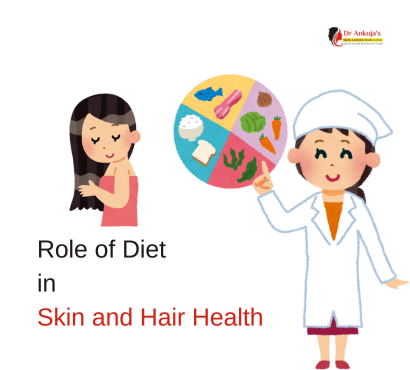
When it comes to beauty and overall wellness, skincare products and hair treatments often steal the spotlight. However, true radiance begins from within. What we eat plays a direct role in the health, strength, and appearance of our skin and hair. A balanced, nutrient-rich diet not only helps in preventing premature aging and hair fall but also enhances the natural glow of your skin and the thickness of your hair. We will explore how diet influences skin and hair, the key nutrients required, foods to add to your daily meals, and practical dietary tips for glowing skin and healthy hair. Why Diet Matters for Skin and Hair The skin is the body’s largest organ, and hair is made up of keratin (a protein). Both require continuous nourishment from vitamins, minerals, proteins, and healthy fats. While external treatments like creams and oils work on the surface, diet ensures deeper, long-lasting benefits by supporting cell renewal, collagen production, circulation, and hydration. Poor dietary habits—such as excessive consumption of junk food, sugary drinks, and processed meals—can lead to issues like acne, dullness, wrinkles, brittle hair, and excessive hair fall. On the other hand, a diet rich in antioxidants, proteins, and essential fatty acids can transform skin texture and hair quality naturally. Key Nutrients for Healthy Skin and Hair 1. Proteins Why it matters: Proteins form the building blocks of skin and hair. Collagen and keratin are protein-based structures essential for skin elasticity and hair strength. Sources: Eggs, fish, chicken, dairy, lentils, soy, beans, and nuts. 2. Omega-3 Fatty Acids Why it matters: Helps maintain skin hydration, reduces inflammation (acne/eczema), and prevents hair dryness and scalp irritation. Sources: Flaxseeds, chia seeds, walnuts, fatty fish (salmon, mackerel), and mustard oil. 3. Vitamins Vitamin A: Promotes skin cell repair and prevents dryness. Found in carrots, spinach, and sweet potatoes. Vitamin C: Boosts collagen production, reduces pigmentation, and prevents hair breakage. Found in citrus fruits, guavas, bell peppers. Vitamin E: Protects against sun damage and improves scalp circulation. Found in almonds, sunflower seeds, and olive oil. Vitamin D: Prevents premature aging and hair thinning. Found in sunlight exposure, fortified dairy, and mushrooms. 4. Biotin (Vitamin B7) Why it matters: Enhances hair growth, prevents thinning, and strengthens nails. Sources: Eggs (yolk), peanuts, almonds, and whole grains. 5. Zinc & Iron Why it matters: Zinc repairs damaged skin, prevents dandruff, and supports scalp health. Iron boosts blood circulation, ensuring nutrients reach hair follicles. Sources: Pumpkin seeds, chickpeas, spinach, red meat, and fortified cereals. 6. Antioxidants Why it matters: Fight free radicals responsible for aging, wrinkles, and hair greying. Sources: Berries, tomatoes, green tea, and dark chocolate. Skin and Hair-Friendly Foods to Include Daily Food Group Best Choices Benefits Fruits Papaya, Orange, Guava, Berries Rich in vitamin C and antioxidants for glow Vegetables Spinach, Carrots, Sweet Potatoes Support collagen, reduce acne Proteins Eggs, Fish, Chicken, Lentils Strengthen hair and skin structure Nuts & Seeds Almonds, Walnuts, Flaxseeds Omega-3 & vitamin E for hydration Whole Grains Oats, Brown Rice, Quinoa Provide B vitamins and fiber Hydration Coconut water, Green tea, Water Flushes toxins, keeps skin supple Foods That May Harm Skin and Hair Refined sugars – Increase acne and cause premature aging. Fried and oily foods – Lead to dullness and breakouts. Excess caffeine/alcohol – Dehydrates skin and weakens hair follicles. Highly processed foods – Lack nutrients and contribute to inflammation. Diet Tips for Healthy Skin and Hair Stay hydrated—drink at least 8–10 glasses of water daily. Include colorful fruits and vegetables in every meal. Eat protein-rich foods for stronger hair strands. Add nuts and seeds for omega-3 and vitamin E. Limit junk food, fried items, and sugary drinks. Avoid crash diets—they cause hair thinning and dull skin. Maintain gut health with probiotics like yogurt for better nutrient absorption. Lifestyle Factors That Support Diet Sleep: 7–8 hours of quality sleep for skin repair. Exercise: Improves circulation, delivering nutrients to skin and scalp. Stress management: High stress can trigger hair fall and acne. FAQ 1. Can diet alone improve skin and hair health? Diet plays a major role, but other factors like genetics, hormones, and lifestyle also influence skin and hair. A nutritious diet ensures strong foundations for improvement, while external care complements it. 2. Which foods are best for glowing skin? Citrus fruits (vitamin C), carrots (vitamin A), spinach (iron), and almonds (vitamin E) are some of the best foods for natural skin glow. 3. How long does it take to see results of a healthy diet on skin and hair? With consistent changes, improvements in skin radiance can be seen in 4–6 weeks, while hair strength and growth may show visible results within 3–6 months.
Tattoo Removal: How Laser Treatments Work and What to Expect
Tattoos are a form of self-expression, but sometimes people outgrow them or wish to remove designs that no longer align with their lifestyle, career, or personal choices. In India, the demand for tattoo removal has grown significantly in recent years. With advanced technology, laser tattoo removal has become the most effective and safe method for getting rid of unwanted ink. This blog will walk you through how laser tattoo removal works, what to expect during the procedure, possible side effects, aftercare tips, and answers to common questions. Whether you want a complete removal or just lightening for a cover-up tattoo, understanding the process can help you make an informed decision. Why Do People Opt for Tattoo Removal? Before diving into the technology, let’s look at the common reasons why people choose tattoo removal: Lifestyle or career changes – Certain professions may discourage visible tattoos. Personal transformation – A tattoo may no longer hold meaning after life changes. Poor tattoo quality – Bad design, spelling mistakes, or fading ink often lead to removal requests. Cover-up purposes – Sometimes, people want to lighten a tattoo to replace it with a new design. Medical reasons – Rare allergic reactions or skin issues may necessitate tattoo removal. Understanding How Laser Tattoo Removal Works Laser tattoo removal uses high-intensity light beams to break down tattoo ink particles in the skin. Here’s a step-by-step explanation: Laser Targeting – The laser emits pulses of light that specifically target tattoo ink without harming surrounding skin. Ink Breakdown – The energy from the laser shatters the ink into tiny fragments. Natural Elimination – Over the following weeks, the body’s immune system gradually clears away the ink fragments. Multiple Sessions – Since tattoos have multiple ink layers, complete removal typically requires several sessions spaced weeks apart. Different laser wavelengths are used for different ink colors: Black and dark blue inks respond well to standard lasers. Green, yellow, and red inks are more challenging but can be treated with advanced Q-switched and picosecond lasers. The Tattoo Removal Procedure: What to Expect 1. Consultation Your dermatologist or skin specialist will assess: Tattoo size, location, and colors used. Your skin type and medical history. The estimated number of sessions needed. 2. Pre-Treatment Care Avoid sun exposure before treatment. Do not apply creams, makeup, or fake tan on the tattooed area. Shave the area if needed. 3. During the Session A cooling device or numbing cream may be applied for comfort. The laser is directed at the tattoo, producing quick pulses of light. Patients often describe the sensation as similar to a rubber band snapping against the skin. Small tattoos may take only a few minutes; larger ones may require more time. 4. After the Session The treated area may feel warm, swollen, or appear white immediately after. Ice packs and soothing ointments are usually recommended. A protective dressing may be applied. Number of Sessions Required The number of sessions varies depending on: Tattoo size – Larger tattoos require more sittings. Ink colors – Dark inks fade faster than light colors. Tattoo age – Older tattoos are easier to remove. Skin type – Melanin levels influence laser settings and results. On average, 6–10 sessions may be required for significant fading, with each session spaced 6–8 weeks apart. Side Effects and Risks Laser tattoo removal is generally safe when done by trained professionals, but some side effects may occur: Temporary redness, swelling, or blistering. Mild pain or discomfort. Pigment changes (lightening or darkening of skin) in rare cases. Scarring is uncommon if aftercare is followed correctly. Aftercare Tips for Faster Healing Following proper aftercare ensures faster recovery and better results: ✅ Keep the treated area clean and dry. ✅ Apply prescribed ointments or soothing creams. ✅ Avoid scratching or picking scabs. ✅ Protect from direct sunlight by using sunscreen. ✅ Avoid hot showers, saunas, and swimming until healed. Pros and Cons of Laser Tattoo Removal Pros Cons Safe and effective Requires multiple sessions Minimal risk of scarring Slight discomfort during procedure Works on most ink colors Can be costly Non-invasive May cause temporary side effects Cost of Tattoo Removal in India The cost varies depending on tattoo size, colors, and clinic location. On average: Small tattoos: ₹2,000–₹5,000 per session Medium tattoos: ₹5,000–₹10,000 per session Large tattoos: ₹10,000+ per session Since multiple sessions are needed, the total cost may add up. However, for many, it is worth it to regain clear skin or prepare for a better tattoo. Tattoo removal with laser technology has made it possible to safely erase unwanted ink without invasive surgery. While patience is required due to multiple sessions, the results can be life-changing. By following the right aftercare and consulting a qualified skin specialist, you can achieve clear, healthy skin once again. FAQ 1. Is laser tattoo removal painful? Most people describe it as mildly uncomfortable, similar to a rubber band snapping against the skin. Numbing creams or cooling devices help reduce discomfort. 2. Can all tattoo colors be removed completely? Black and dark blue tattoos fade the fastest. Green, yellow, and red inks may require more advanced lasers and extra sessions. While complete removal is possible, some tattoos may only fade significantly. 3. Will my skin look normal after tattoo removal? In most cases, the skin returns to its natural appearance after healing. Rarely, there may be slight pigment changes, but scarring is uncommon when done by a professional.
Chemical Peels: Benefits, Types, and What to Expect
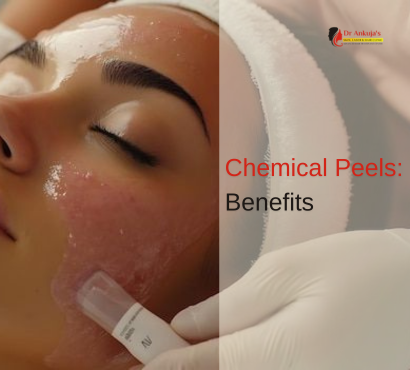
Chemical peels have become a go-to treatment for individuals looking to rejuvenate their skin, treat acne, reduce signs of aging, and even out pigmentation. In India, the popularity of chemical peels is on the rise due to their non-invasive nature and noticeable results. If you are considering a chemical peel, this comprehensive guide will walk you through everything you need to know. What is a Chemical Peel? A chemical peel is a dermatological procedure that involves applying a chemical solution to the skin to exfoliate and eventually peel off the top layers. The new, regenerated skin is usually smoother, clearer, and less wrinkled. Chemical peels are commonly used on the face but can also be applied to the neck and hands. Depending on the condition being treated, different types of peels are used at varying strengths. Benefits of Chemical Peels Chemical peels offer multiple skin benefits, especially when tailored to an individual’s skin type and concern: Improved Skin Texture: Removes dead skin cells and promotes new skin growth. Reduces Fine Lines & Wrinkles: Especially effective around the eyes and mouth. Fades Acne Scars: Helps diminish the appearance of pitted or discolored acne marks. Corrects Pigmentation Issues: Targets sun damage, melasma, and dark spots. Minimizes Pores: Improves overall skin clarity and smoothness. Boosts Collagen Production: Encourages firmer, younger-looking skin. Types of Chemical Peels Chemical peels are categorized based on their strength and how deeply they penetrate the skin: 1. Superficial Peels Common Agents Used: Alpha-hydroxy acids (AHAs), glycolic acid, lactic acid Treatment Depth: Only the outer layer (epidermis) Best For: Mild discoloration, rough texture, and general skin refresh Downtime: None to minimal 2. Medium Peels Common Agents Used: Trichloroacetic acid (TCA), Jessner’s solution Treatment Depth: Epidermis and upper dermis Best For: Age spots, acne scars, moderate wrinkles Downtime: 5–7 days 3. Deep Peels Common Agents Used: Phenol, stronger TCA Treatment Depth: Mid to lower dermis Best For: Deep wrinkles, severe sun damage, precancerous growths Downtime: Up to 2–3 weeks, with extensive aftercare The Procedure: What to Expect Before the Peel Consultation: A dermatologist will assess your skin type, concerns, and suitability. Preparation: May involve using retinoid creams or lightening agents a few weeks prior. During the Peel The skin is cleansed, and the chemical solution is applied. You may feel mild stinging or warmth. Duration varies from 15 minutes to an hour depending on the peel. After the Peel Superficial Peel: Slight redness or flaking for a day or two. Medium/Deep Peel: Peeling, swelling, redness, and downtime. Sun protection is critical post-treatment. Who Should Avoid Chemical Peels? Pregnant or breastfeeding women People with active skin infections Individuals on certain medications like isotretinoin Those with a history of keloids or poor wound healing Tips for Best Results Choose a Qualified Dermatologist: Never attempt at-home peels without guidance. Follow Aftercare Rigorously: Avoid sun exposure, use moisturizers, and don’t pick peeling skin. Be Patient: Results may take multiple sessions. Chemical Peels in India: Cost and Considerations In India, chemical peel treatments are available across dermatology clinics in metro and tier-2 cities. The cost varies based on peel type, clinic reputation, and number of sessions needed: Superficial Peel: ₹1,500–₹3,000 per session Medium Peel: ₹3,000–₹6,000 per session Deep Peel: ₹7,000–₹20,000 per session Patients are advised to consult certified dermatologists to ensure safety and effectiveness. FAQs Q1: How many chemical peels will I need to see results? A: It depends on your skin concern. Superficial peels may require 4–6 sessions spaced weeks apart. Deeper peels might show results after one session but require longer recovery. Q2: Are chemical peels safe for Indian skin tones? A: Yes, but it is crucial to consult a dermatologist experienced in treating diverse skin types. Certain peels are better suited to darker tones to avoid hyperpigmentation. Q3: Can I wear makeup after a chemical peel? A: You should avoid makeup for at least 24–48 hours after a superficial peel and longer after deeper peels to prevent irritation and allow healing
Botox vs. Fillers: What’s the Difference and Which One Do You Need?
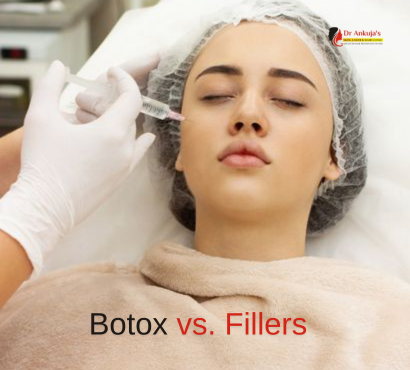
Facial rejuvenation treatments like Botox and dermal fillers are increasingly popular in India. Both help achieve a refreshed, youthful appearance but work in distinct ways. Understanding the differences helps you make an informed decision based on your goals and face concerns. 2 | What Is Botox? Uses botulinum toxin type A to cause temporary muscle relaxation. Blocks nerve signals to muscles, smoothing dynamic wrinkles (forehead lines, frown furrows, crow’s feet). Effects begin in 3–5 days and last 3–5 months. Quick in-clinic procedure (10–20 minutes), with numbing optional. 3 | What Are Fillers? Injectable gels composed of substances like hyaluronic acid, calcium hydroxylapatite, poly-L-lactic acid. They add volume, smooth static wrinkles, restore facial structure, and enhance features (lips, cheeks, jawline). Immediate results lasting 6–24 months depending on filler type. Slight downtime; post-care is minimal. 4 | Botox vs Fillers: Table Comparison Feature Botox Fillers Target Issue Dynamic wrinkles (expression-based) Volume loss, static wrinkles, contour loss Active Ingredient Botulinum toxin type A Hyaluronic acid, CaHA, PLLA Result Onset 3–5 days Immediate Duration of Results 3–5 months 6–24 months Effect on Muscles Reduces muscle movement Stimulates collagen + plumps area Typical Use Areas Forehead, glabella, crow’s feet Cheeks, lips, nasolabial folds, chin, tear troughs Downtime Minimal Mild swelling/bruising for 1–2 days Reversibility Wear-off naturally Hyaluronidase can reverse HA fillers Cost in India ₹8,000–15,000 per area ₹15,000–35,000 per ml depending on product 5 | Which One for You? A. Forehead Lines & Frown Furrows → Choose Botox to relax muscles and prevent deeper lines. B. Crow’s Feet Around Eyes → Botox softens lines; minimal swelling, long-term prevention. C. Nasolabial Folds & Marionette Lines → Fillers restore lost volume and lift sagging regions. D. Lip Volume and Contour → Fillers enhance shape and size; Botox for subtle lip lift can be added. E. Cheek Enhancement & Contouring → Use fillers to restore youthful cheek fullness and lift. F. Upper Neck Bands (Turkey Neck) → Botox smooths horizontal bands by relaxing platysma muscle. G. Under-Eye Hollows → Fillers reduce shadowing and tear trough depth. 6 | Safety, Side Effects & Risks Botox: Mild bruising, swelling Temporary bruising or headache Rare eyelid droop (shoulders resolve in weeks) Fillers: Bruising, swelling, tenderness Rare lumps or asymmetry Very rare vascular blockage—ensure qualified provider and aspiration technique 7 | Treatment Plan & Timing Consultation: Share concerns, hope, budget. Aesthetic assessment follows. Customized plan: May include Botox + filler in mix-and-match approach Maintenance schedule: Botox: retreat every 3–5 months Fillers: touch-up every 6–24 months Your provider recommends follow‑up appointments 8 | Pre‑ and Post‑Treatment Guidelines Before Treatment Avoid alcohol, aspirin, NSAIDs for 48 hours to reduce bruising No Botox during pregnancy or breastfeeding Fillers: allergic testing may be required depending on product Aftercare Tips No heavy exercise, saunas, or massages for 24–48 hours Apply cold compresses to reduce swelling Moisturize daily with gentle skincare Avoid alcohol or topical retinoids near the injection site for 1–2 days 9 | Cost & Value: India Perspective Botox: ₹8,000–15,000 per area Filler: ₹15,000–35,000 per ml Combination treatments may offer package discounts Costs vary by doctor, region, and brand—consultation with a licensed aesthetic specialist is key. Botox and dermal fillers serve different cosmetic roles: Botox targets movement-based wrinkles, while fillers add volume and shape. With a licensed professional guiding the process—from consultation to upkeep—you can achieve subtly refreshed and natural-looking results tailored to your aesthetic vision. FAQs Q1. Can I get both Botox and fillers together? Yes—many clients combine Botox (for dynamic lines) with fillers (for volume) in a single session for optimal, natural results. Q2. How soon after Botox can I exercise? Light walking is okay; avoid strenuous workouts for 24 hours. Steer clear of hot tubs and saunas for a day or two. Q3. Which is better for preventing aging? Botox prevents new dynamic wrinkles by relaxing muscles. Fillers restore fullness, addressing static folds and enhancing facial structure. Choose based on your skin needs and goals.
Dr. Ankuja Mhaske Featured in Pune Mirror
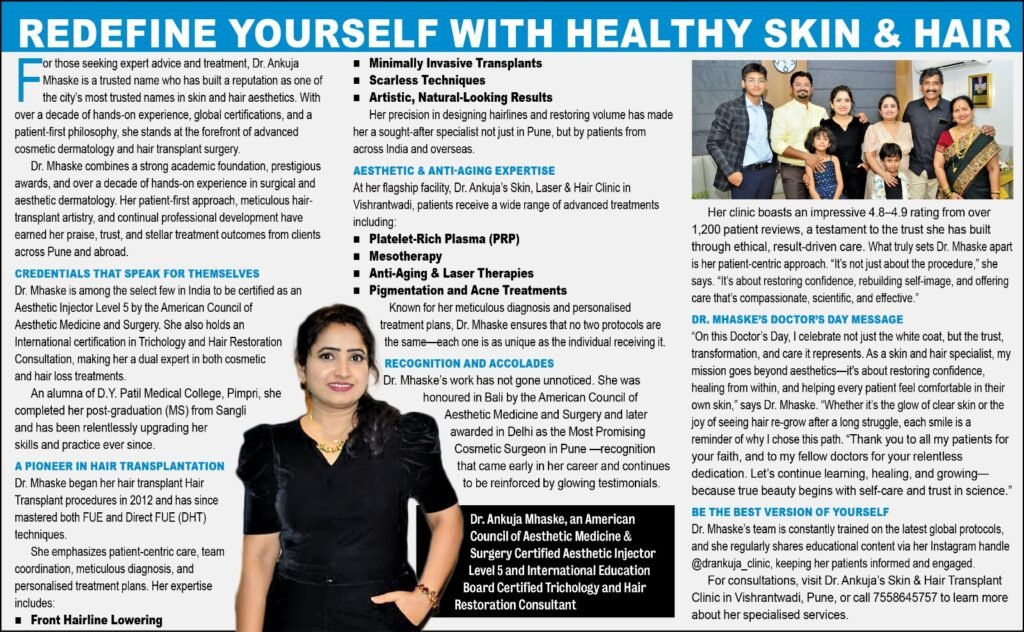
Redefining Confidence: Dr. Ankuja Mhaske Featured in Pune Mirror for Her Excellence in Skin & Hair Aesthetics 🌟 A Proud Moment of Recognition 🌟We are thrilled to announce that Dr. Ankuja Mhaske, a trailblazer in dermatology and aesthetic medicine, has been featured in Pune Mirror for her exemplary contribution to the fields of skin health, cosmetic dermatology, and advanced hair restoration. With over a decade of experience, multiple global certifications, and an unwavering commitment to patient-centered care, Dr. Ankuja has become a name synonymous with quality, innovation, and compassion in Pune and beyond. 🌿 A Leader in Skin & Hair Aesthetics Dr. Ankuja has built a trusted reputation through a blend of scientific precision and artistic excellence. Her clinic, Dr. Ankuja’s Skin, Laser & Hair Clinic in Vishrantwadi, offers cutting-edge treatments like: What truly distinguishes her is her ability to craft customized treatment plans — no two protocols are the same, because no two patients are alike. 💎 Credentials That Inspire Trust Dr. Mhaske holds dual expertise in both cosmetic dermatology and hair restoration. She is among the few in India certified as: Her in-depth training in FUE and DHT techniques makes her a go-to expert for front hairline lowering, volume restoration, and natural hairline design. 🏆 Recognition That Speaks Volumes Dr. Mhaske’s outstanding work has not gone unnoticed: This latest feature in Pune Mirror is yet another proud milestone celebrating her relentless pursuit of excellence. 💬 A Message from Dr. Ankuja on Doctors’ Day “It’s not just about the procedure — it’s about restoring confidence, rebuilding self-image, and offering care that’s compassionate, scientific, and effective,” says Dr. Mhaske. “Whether it’s the glow of clear skin or the joy of hair re-growth, each smile is a reminder of why I chose this path. Thank you to all my patients for your faith, and to my fellow doctors for your dedication.” 📍 Experience the Difference With 1,200+ patient reviews and a 4.8–4.9 average rating, Dr. Mhaske’s clinic continues to raise the bar in patient satisfaction. Her blend of global protocols and personal attention ensures optimal outcomes with care that truly transforms. Follow her on Instagram at @drankuja_clinic to stay updated with expert insights and real patient stories. 📞 Consultations: 📍 Vishrantwadi, Pune 📲 Call 7558645757 🌟 Celebrating Science, Care & Confidence 🌟 Congratulations to Dr. Ankuja Mhaske on this well-deserved recognition. Here’s to many more milestones in your journey of redefining beauty with science, care, and heart.
Dark Circles and Under‑Eye Bags: Causes and Best Treatments

Dark circles and puffy under‑eye bags are common concerns that affect both men and women across India. These aesthetic issues are not simply cosmetic—they can indicate lifestyle habits, genetics, or underlying health issues. With rising awareness around personal grooming and mental well-being, Indian audiences increasingly seek safe, effective, and accessible solutions. Let’s explore causes, myths, home remedies, and clinical treatments—all backed by factual insight and tailored to the Indian context. 1. Anatomy of the Under‑Eye Area To address these issues effectively, it helps to understand the structure: 🧩 Diagram: Recommended: A labeled sketch showing eyelid skin, fat pads, orbicularis oculi muscle, and tear trough area. 2. Common Types & Causes A. Dark Circles B. Under‑Eye Bags and Puffiness 3. Contributing Factors in India 4. Distinguishing Myths from Facts 5. Home & Lifestyle Remedies A. Better Sleep & Hydration B. Reduce Salt & Alcohol C. Cold Compresses D. Allergy Control E. Gentle Massage & Elevation F. Topical Natural Aids 6. OTC Products & Ingredients Look for these in Indian drugstore creams or serums: 7. Clinical & Cosmetics Treatments A. Chemical Peels & Microdermabrasion B. Mild Lasers (Q‑switch, IPL) C. Blood Platelet-Rich Plasma (PRP) D. Fillers (HA-based) E. Sub‑Q Laser or Radiofrequency (RF) F. Low-Level Light Therapy (LLLT) 8. Professional Consultation—When? ✅ Persistent dark circles and bags that don’t improve with lifestyle change✅ Sudden development of deep bags (could indicate thyroid/allergy issues)✅ Unwanted side effects from creams 9. Sample Indian Skincare Routine 10. Cost & Availability in India Dark circles and under-eye puffiness stem from diverse causes—ranging from genetics, lifestyle, and health conditions to aging. Understanding your specific type guides you to the right blend of home care, specialized eye creams, and, if needed, medical procedures. Always patch-test skincare products, use SPF diligently, and consult a dermatologist for persistent concerns. Healthy sleep, balanced nutrition, and gentle care are your top defenses—and visible improvement can follow in a few weeks. FAQs Q1. Can stress alone cause dark circles? Yes—stress leads to sleep deprivation, cortisol imbalance, and vascular dilation, which exacerbate darkness. Q2. Are under-eye bags hereditary? Absolutely. Genetics strongly determine fat pad position. While lifestyle helps, bags may persist until addressed via fillers. Q3. Does under-eye cream for dark circles work long-term?Some ingredients (retinol, Vitamin C) offer improvement, but expect 8–12 weeks of consistent use. Permanent issues may need in-clinic treatment.