
Home > Services > Micropigmentation for Eyebrows
Micropigmentation for Eyebrows
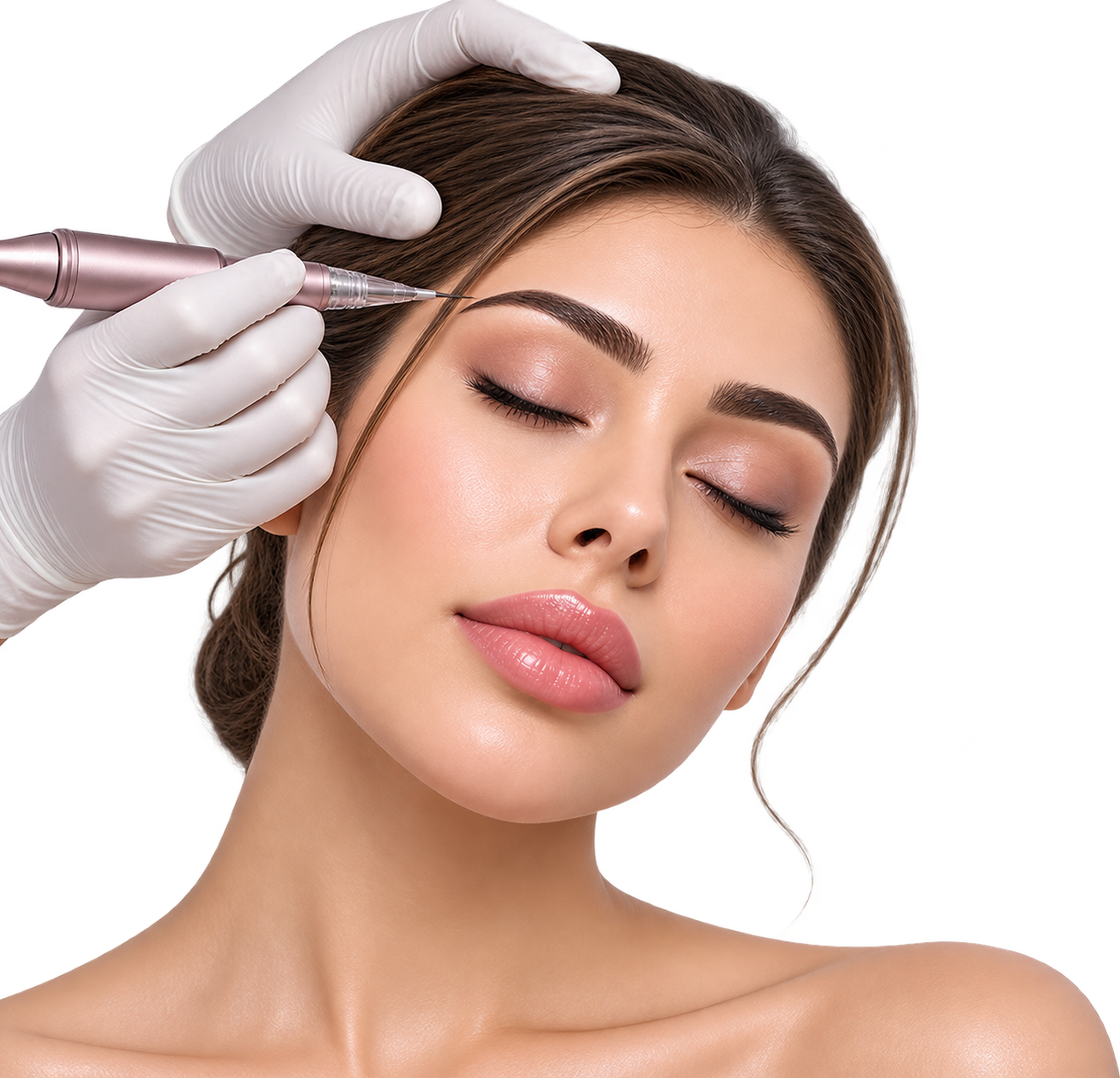
Micropigmentation for eyebrows, also known as eyebrow tattooing or permanent makeup, is a cosmetic procedure that involves depositing pigment into the skin to enhance the shape, color, and definition of the eyebrows. This technique can be used to fill in sparse areas, reshape uneven brows, and create a more symmetrical and polished appearance.
During the micropigmentation procedure, a specialized handheld device equipped with fine needles is used to implant pigment into the upper layers of the skin, mimicking the appearance of individual eyebrow hairs. The pigment is carefully chosen to match the patient’s natural eyebrow color or desired shade, ensuring a seamless and natural-looking result.
Micropigmentation for eyebrows can be customized to achieve a variety of looks, from subtle enhancement to more dramatic definition, depending on the individual’s preferences and goals. The procedure can help restore lost eyebrow hair, correct asymmetry or unevenness, and create a more youthful and refreshed appearance.
The results of micropigmentation for eyebrows are semi-permanent and typically last for several months to years, depending on factors such as skin type, lifestyle, and maintenance routine. Touch-up sessions may be recommended periodically to maintain the desired color and shape of the eyebrows and ensure long-lasting results.
Micropigmentation for eyebrows offers a safe and effective solution for individuals looking to enhance their brows and achieve a more polished and put-together appearance. By working with a skilled and experienced micropigmentation specialist, individuals can achieve natural-looking results that complement their facial features and enhance their overall beauty.
Trusted Care. Proven Expertise. Real Results. Lasting Confidence.?
Board-certified dermatologists specialize in diagnosing and treating the skin, hair, and nails. They have the expertise to tell you whether the change is harmless or requires medical testing.
Acne is a skin condition that occurs when your hair follicles become plugged with oil and dead skin cells. It causes whiteheads, blackheads or pimples. Acne is most common among teenagers, though it affects people of all ages. Effective acne treatments are available, but acne can be persistent.
Hair transplant, or restoration surgery, can make the most of the hair you have left. During a hair transplant procedure, a dermatologist or cosmetic surgeon removes hair from a part of the head that has hair and transplants it to a bald spot. Each patch of hair has one to several hairs (micrografts and minigrafts).
Best Hair Transplant Surgeon in Pune
Best Skin Treatment Doctor in Pune
Aesthetic Physician, Cosmetologist,
Dermatologist & Trichologist
+91 75586 45757 / +91 72496 71880
ankuja.mhaske@gmail.com
Copyright © 2026 Dr. Ankuja Mhaske