
Microneedling for Skin Rejuvenation: Benefits and Risks
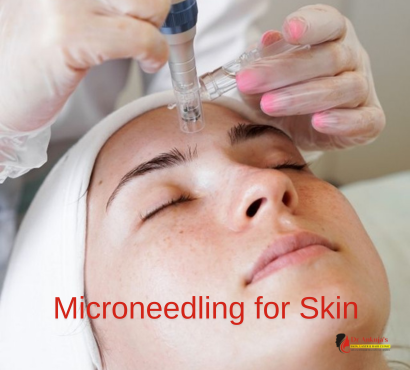
Microneedling has emerged as a popular cosmetic procedure aimed at skin rejuvenation. This minimally invasive technique involves creating tiny punctures in the skin to stimulate collagen production, leading to improved skin texture and tone. Particularly beneficial for addressing acne scars, fine lines, and enlarged pores, microneedling is gaining traction among individuals seeking non-surgical skin enhancement options. What is Microneedling? Microneedling, also known as collagen induction therapy, utilizes fine needles to create controlled micro-injuries on the skin’s surface. These micro-injuries trigger the body’s natural healing process, promoting the production of collagen and elastin—proteins essential for maintaining youthful and resilient skin. Benefits of Microneedling Risks and Considerations While microneedling is generally safe, it’s essential to be aware of potential risks: Post-Procedure Care Adhering to proper aftercare is crucial for optimal results: FAQs 1. Is microneedling suitable for all skin types? Microneedling is generally safe for various skin types, but individuals with certain conditions like active acne or eczema should consult a dermatologist before undergoing the procedure. 2. How many sessions are needed to see results? While some improvements may be noticeable after one session, multiple treatments (typically 3-6 sessions) spaced a few weeks apart are often recommended for optimal results 3. Can I perform microneedling at home? At-home microneedling devices are available, but professional treatments ensure better safety and efficacy. If opting for at-home devices, it’s crucial to follow instructions meticulously to avoid complications.
Sun Damage and Skin Cancer: Early Signs and Prevention
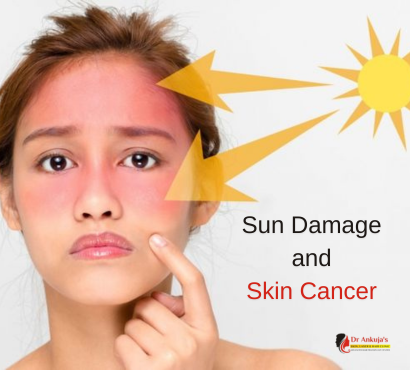
India’s diverse climate and increasing sun exposure have raised concerns about skin health, particularly regarding sun damage and the risk of skin cancer. While melanin-rich skin offers some protection, it does not make one immune to the harmful effects of ultraviolet (UV) rays. Understanding the early signs of sun damage and implementing effective prevention strategies are crucial for maintaining skin health. Understanding Sun Damage Sun damage, also known as photoaging, results from prolonged exposure to UV radiation, leading to premature aging and increasing the risk of skin cancer. UV rays can penetrate the skin, causing DNA damage in skin cells, which may lead to mutations and cancer over time. Early Signs of Sun Damage Recognizing the early signs of sun damage can help in taking timely action: Skin Cancer: Types and Early Signs Skin cancer occurs when abnormal skin cells grow uncontrollably. The main types include: Early signs to watch for: Prevention Strategies Implementing preventive measures can significantly reduce the risk of sun damage and skin cancer: Diet and Skin Health A diet rich in antioxidants can help combat oxidative stress caused by UV exposure. Foods high in vitamins A, C, and E, such as fruits, vegetables, nuts, and seeds, support skin health. Staying hydrated also maintains skin elasticity and resilience. Skin Cancer in India While skin cancer is less prevalent in India compared to Western countries, cases are rising due to increased UV exposure and lifestyle changes. Awareness and early detection are key to effective treatment and prevention. Protecting your skin from sun damage is a year-round commitment. By recognizing early signs and adopting preventive measures, you can reduce the risk of skin cancer and maintain healthy skin. Regular skin checks and a proactive approach to sun safety are vital components of skin health. FAQs 1. Can people with darker skin tones get skin cancer? Yes, while melanin offers some protection, individuals with darker skin can still develop skin cancer, often diagnosed at later stages. 2. Is sunscreen necessary on cloudy days? Absolutely. Up to 80% of UV rays can penetrate clouds, making sunscreen essential regardless of weather conditions. 3. How often should I reapply sunscreen? Reapply every two hours, or more frequently if swimming or sweating.
Warts and Skin Tags: Causes, Removal Methods, and Prevention
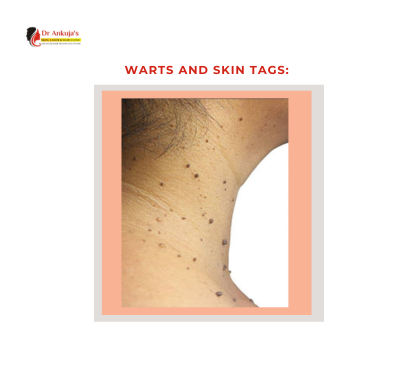
Skin growths like warts and skin tags are common dermatological concerns that, while typically benign, can cause discomfort or cosmetic issues. Understanding their causes, available removal methods, and prevention strategies can help individuals manage these conditions effectively. Understanding Warts What Are Warts? Warts are small, rough skin growths caused by the human papillomavirus (HPV). They can appear on various parts of the body and are contagious through direct contact. Types of Warts Causes of Warts Understanding Skin Tags What Are Skin Tags? Skin tags, or acrochordons, are small, soft, benign skin growths that often occur in areas where the skin folds, such as the neck, armpits, and groin. Causes of Skin Tags Removal Methods For Warts For Skin Tags Note: It’s advisable to consult a healthcare professional before attempting removal, especially for warts, due to their contagious nature. Prevention Strategies Preventing Warts Preventing Skin Tags Warts and skin tags, though generally harmless, can cause discomfort or cosmetic concerns. Understanding their causes, exploring safe removal methods, and adopting preventive measures can help manage these skin conditions effectively. Always consult with a healthcare professional for proper diagnosis and treatment options tailored to individual needs. FAQs Q1: Are warts and skin tags contagious? Warts are contagious due to the HPV virus; skin tags are not contagious. Q2: Can I remove skin tags at home? While some home remedies exist, it’s best to consult a healthcare provider to avoid complications.Q3: Do warts go away on their own? Some warts may disappear without treatment, but others may persist and require medical intervention.
Vitiligo: Understanding the Skin Condition and Treatment Options

Vitiligo is a chronic skin condition that causes loss of pigmentation, leading to white patches on the skin. It occurs when melanocytes (the cells responsible for skin color) stop functioning or die. While vitiligo is not contagious or life-threatening, it can significantly affect a person’s self-esteem and emotional well-being. This blog covers: ✔ What causes vitiligo?✔ Symptoms and types of vitiligo✔ Available treatment options✔ How to manage vitiligo effectively Understanding vitiligo is the first step toward managing it. With advancements in dermatology, various treatment options can help restore pigmentation and improve quality of life. What is Vitiligo? Vitiligo is an autoimmune disorder that results in loss of skin pigment due to the destruction of melanocytes. This leads to the formation of white patches on different parts of the body, including the face, hands, feet, and even inside the mouth. Vitiligo affects 1-2% of the global population, with India having one of the highest prevalence rates (up to 8% in some regions). It can occur at any age but commonly appears before the age of 30. Types of Vitiligo Vitiligo is classified based on the pattern and distribution of the white patches: 1. Non-Segmental Vitiligo (NSV) – Most Common ✔ Affects both sides of the body symmetrically (e.g., both hands, both knees).✔ Progresses slowly over time.✔ More likely to be genetically inherited. 2. Segmental Vitiligo (SV) ✔ Appears on one side of the body (localized to one area).✔ Develops at an early age and progresses rapidly for a few years before stabilizing.✔ Less common but more responsive to treatment. 3. Universal Vitiligo ✔ A rare form where over 80% of the skin loses pigment.✔ Requires specialized management. What Causes Vitiligo? Although the exact cause is unknown, researchers believe that vitiligo is caused by a combination of genetic, autoimmune, and environmental factors. 1. Autoimmune Reaction ✔ The immune system mistakenly attacks melanocytes, stopping pigment production.✔ Common in people with other autoimmune conditions (e.g., thyroid disorders, diabetes). 2. Genetic Factors ✔ Around 30% of vitiligo cases have a family history of the condition. 3. Environmental Triggers ✔ Emotional stress, sunburns, skin trauma, or exposure to chemical irritants may trigger vitiligo. 4. Neurogenic Causes ✔ Nerve-related issues may cause melanocyte dysfunction. Symptoms of Vitiligo The main symptom of vitiligo is the appearance of white patches on the skin, but other symptoms may include: ✔ Premature graying of hair on the scalp, eyebrows, eyelashes, and beard.✔ Loss of pigment in the mucous membranes (inside the mouth, nose, and genitals).✔ Color changes in the retina (inner eye).✔ Increased sensitivity to sunlight in affected areas. Diagnosis of Vitiligo A dermatologist diagnoses vitiligo through: ✔ Physical Examination – Checking for white patches and affected areas.✔ Wood’s Lamp Test – A special UV light used to detect vitiligo patches.✔ Blood Tests – To check for autoimmune diseases like thyroid disorders.✔ Skin Biopsy – Rarely done, but it can confirm the absence of melanocytes. Treatment Options for Vitiligo While there is no permanent cure, various treatments can help restore skin color and slow progression. 1. Topical Treatments ✔ Corticosteroid Creams – Help reduce inflammation and promote repigmentation (effective in early stages).✔ Calcineurin Inhibitors (Tacrolimus, Pimecrolimus) – Useful for facial vitiligo and sensitive areas.✔ Topical Psoralen + UVA (PUVA Therapy) – Stimulates melanocyte activity. 2. Phototherapy (Light Therapy) ✔ Narrowband UVB Therapy (NB-UVB) – Most effective for widespread vitiligo; requires multiple sessions.✔ Excimer Laser Therapy – Targeted treatment for small areas. 3. Surgical Treatments ✔ Skin Grafting – Pigmented skin is transplanted to the vitiligo-affected area.✔ Melanocyte Transplantation – Cultured melanocytes are injected into depigmented skin.✔ Tattooing (Micropigmentation) – Used in small areas like lips or fingertips. 4. Natural and Home Remedies ✔ Dietary Changes – Foods rich in antioxidants, folic acid, and vitamin B12 may help.✔ Psoralen-rich foods (figs, celery, parsley) – Used in traditional treatments.✔ Aloe Vera & Coconut Oil – Help keep skin hydrated and reduce inflammation. 5. Lifestyle and Psychological Support ✔ Sun Protection – Always wear sunscreen (SPF 50+), hats, and protective clothing to prevent sunburn.✔ Cosmetic Cover-ups – Use self-tanners or concealers for temporary camouflage.✔ Mental Health Support – Vitiligo can impact self-esteem; joining support groups or seeking counseling may help. When Should You See a Doctor? Consult a dermatologist if: ✔ White patches spread rapidly.✔ Vitiligo affects your confidence or emotional well-being.✔ You have autoimmune disorders alongside vitiligo. Vitiligo is a complex skin condition that requires a holistic approach to treatment. While there is no permanent cure, medical treatments, phototherapy, and lifestyle adjustments can help restore pigmentation and boost confidence. If you or a loved one is affected by vitiligo, seeking timely medical advice can help manage symptoms effectively. Embracing self-confidence and awareness is key to overcoming societal stigma. FAQ 1. Is vitiligo contagious? No, vitiligo is not contagious. It is an autoimmune condition, not caused by infections. 2. Can vitiligo be prevented? There is no guaranteed way to prevent vitiligo, but avoiding skin trauma, stress, and maintaining a healthy lifestyle may help slow its progression. 3. Does vitiligo get worse with time? Vitiligo is unpredictable. In some cases, it may remain stable, while in others, it may spread over time. Early treatment can help slow progression.
Skin Allergies: Common Causes and How to Manage Them

Skin allergies are a widespread issue affecting people of all ages. They can range from mild irritations to severe allergic reactions, causing discomfort and impacting daily life. Understanding the causes, symptoms, and management of skin allergies can help prevent flare-ups and improve skin health. In this blog, we will discuss the common causes of skin allergies, how to identify them, and the best ways to manage and prevent them. What Are Skin Allergies? A skin allergy occurs when the immune system reacts to an allergen (a substance that triggers an allergic reaction). This reaction leads to redness, itching, swelling, or rashes on the skin. Skin allergies can be caused by a variety of triggers, including food, chemicals, plants, weather conditions, and even stress. Some reactions happen immediately, while others develop over time. Common Causes of Skin Allergies 1. Contact Dermatitis One of the most common types of skin allergies, contact dermatitis, occurs when the skin comes in direct contact with an irritant or allergen. 🔹 Common Triggers: ✔️ Soaps, shampoos, and detergents✔️ Cosmetics and skincare products✔️ Jewelry (especially nickel)✔️ Latex (gloves, balloons)✔️ Certain plants (poison ivy, sumac) 🔹 Symptoms: 🔹 Itchy red rash🔹 Dry, cracked skin🔹 Blisters or swelling 💡 How to Manage: ✔️ Identify and avoid the allergen✔️ Use hypoallergenic skincare products✔️ Apply moisturizers and barrier creams 2. Eczema (Atopic Dermatitis) Eczema is a chronic skin condition that causes inflammation and irritation. It is common in children but can persist into adulthood. 🔹 Common Triggers: ✔️ Dust mites and pollen✔️ Certain fabrics (wool, polyester)✔️ Harsh soaps and fragrances✔️ Weather changes (cold, dry air) 🔹 Symptoms: 🔹 Dry, scaly skin🔹 Severe itching🔹 Cracked or oozing skin 💡 How to Manage: ✔️ Keep skin moisturized✔️ Avoid hot showers and harsh soaps✔️ Use mild, fragrance-free products 3. Urticaria (Hives) Hives are red, raised welts on the skin that can appear suddenly and cause intense itching. They are usually triggered by an allergic reaction. 🔹 Common Triggers: ✔️ Certain foods (nuts, seafood, dairy)✔️ Insect bites or stings✔️ Medications (antibiotics, pain relievers)✔️ Extreme temperatures (heat, cold) 🔹 Symptoms: 🔹 Red, swollen welts🔹 Severe itching🔹 Burning sensation 💡 How to Manage: ✔️ Take antihistamines as prescribed✔️ Identify and avoid the trigger✔️ Apply cool compresses to reduce itching 4. Psoriasis Psoriasis is an autoimmune skin disorder that leads to thick, scaly patches of skin. Though not an allergy, psoriasis flare-ups can be triggered by allergens. 🔹 Common Triggers: ✔️ Stress✔️ Skin infections✔️ Certain medications✔️ Cold, dry weather 🔹 Symptoms: 🔹 Thick, silvery scales on skin🔹 Red, inflamed patches🔹 Itching and pain 💡 How to Manage: ✔️ Use medicated creams and ointments✔️ Avoid stress and triggers✔️ Keep skin hydrated 5. Insect Bite Allergies Some people have severe allergic reactions to insect bites and stings, leading to redness, swelling, and even anaphylaxis (a life-threatening reaction). 🔹 Common Triggers: ✔️ Mosquito bites✔️ Bee stings✔️ Ant bites 🔹 Symptoms: 🔹 Swelling and redness🔹 Severe itching🔹 In rare cases, difficulty breathing (seek emergency help) 💡 How to Manage: ✔️ Apply ice packs to reduce swelling✔️ Use antihistamines or anti-itch creams✔️ Wear protective clothing outdoors How to Manage Skin Allergies? 1. Identify Your Triggers 2. Follow a Gentle Skincare Routine ✔️ Use fragrance-free and hypoallergenic products ✔️ Avoid harsh soaps and alcohol-based cleansers✔️ Moisturize daily to keep skin hydrated 3. Take Medications If Needed 4. Home Remedies for Skin Allergies 5. Strengthen Your Immune System When to See a Doctor? 🚨 Seek medical attention if you experience:🔴 Severe swelling or difficulty breathing (possible anaphylaxis)🔴 Widespread rashes covering large areas of the body 🔴 Persistent, recurring skin issues despite treatment Skin allergies are common but manageable with the right approach. Identifying triggers, following a gentle skincare routine, and using medications or home remedies can help control symptoms effectively. If you experience persistent or severe allergic reactions, consult a dermatologist or allergist for proper diagnosis and treatment. 🌿 Healthy skin starts with awareness and self-care! FAQ 1. Can stress cause skin allergies? Yes, stress can weaken the immune system and make the skin more reactive, triggering conditions like eczema, hives, or psoriasis. 2. Are skin allergies permanent? Most skin allergies are manageable and improve with proper care. However, some chronic conditions like eczema and psoriasis may require long-term treatment. 3. Can diet affect skin allergies? Yes, certain foods (like dairy, nuts, or processed foods) can trigger allergic skin reactions. A balanced diet with anti-inflammatory foods like fruits, vegetables, and omega-3 fatty acids can help.
Rosacea: Symptoms, Triggers, and Skincare Tips

Rosacea is a chronic skin condition that causes redness, visible blood vessels, and bumps on the face. It is often mistaken for acne, an allergic reaction, or sunburn, but rosacea has its own distinct triggers and symptoms. While there is no permanent cure, proper skincare, trigger management, and medical treatment can help control symptoms effectively. In this guide, we will explore the symptoms of rosacea, common triggers that worsen the condition, and essential skincare tips to manage it better. Understanding Rosacea: What Is It? Rosacea is a long-term inflammatory skin condition that primarily affects the face. It is more common in fair-skinned individuals, but people of all skin tones can develop it. It often worsens over time if left untreated, leading to persistent redness, enlarged blood vessels, and skin thickening in severe cases. Rosacea typically appears between the ages of 30 and 50 and is more common in women than men. However, men tend to experience more severe symptoms. Symptoms of Rosacea Rosacea symptoms can vary from person to person, but the most common ones include: 1. Facial Redness (Erythema) ✔ Persistent redness on the cheeks, nose, forehead, or chin.✔ Skin may appear flushed or sunburned. 2. Visible Blood Vessels (Telangiectasia) ✔ Small, broken blood vessels become noticeable on the face.✔ Often worsens with time if not managed properly. 3. Bumps and Pimples (Papulopustular Rosacea) ✔ Red, acne-like bumps that may contain pus.✔ Unlike acne, rosacea does not cause blackheads. 4. Burning or Stinging Sensation ✔ Skin feels hot, sensitive, or irritated.✔ May worsen with spicy foods, hot drinks, or sun exposure. 5. Eye Irritation (Ocular Rosacea) ✔ Eyes become dry, red, watery, or irritated.✔ Eyelids may swell, leading to blurry vision. 6. Skin Thickening (Phymatous Rosacea) ✔ In severe cases, the skin—especially on the nose—thickens, leading to a bulbous appearance (rhinophyma).✔ More common in men than women. 🚨 When to See a Doctor? Common Triggers That Worsen Rosacea Several factors can trigger or worsen rosacea flare-ups. Identifying and avoiding these triggers is crucial for managing the condition. 1. Sun Exposure ☀ 2. Spicy Foods & Hot Drinks 🌶☕ 3. Alcohol Consumption 🍷 4. Temperature Extremes ❄🔥 5. Stress & Anxiety 😟 Skincare Tips for Managing Rosacea A proper skincare routine plays a significant role in reducing rosacea flare-ups. Here are some dermatologist-approved tips: 1. Use a Gentle Cleanser 🧼 2. Moisturize Daily 💧 3. Always Wear Sunscreen ☀ 4. Avoid Harsh Ingredients 🚫 5. Opt for Rosacea-Friendly Makeup 💄 6. Treat Ocular Rosacea with Eyecare 👀 7. Consider Medical Treatments 💉 If rosacea symptoms are severe, a dermatologist may recommend: ✔ Topical medications like metronidazole or azelaic acid.✔ Oral antibiotics (for inflammatory rosacea).✔ Laser therapy to reduce visible blood vessels. Rosacea may be chronic, but with the right skincare, trigger management, and medical treatments, symptoms can be significantly reduced. Understanding what triggers your rosacea and following a gentle skincare routine are key steps in controlling flare-ups and maintaining healthy skin. If you experience persistent redness, burning, or eye irritation, consult a dermatologist for personalized treatment options. ✨ Healthy skin starts with awareness—take care of your skin today! FAQs 1. Can rosacea be permanently cured? No, rosacea is a chronic condition, but it can be effectively managed with lifestyle changes, skincare, and medical treatments. 2. Is rosacea the same as acne? No, while both conditions cause bumps, rosacea does not have blackheads and is triggered by different factors like sun exposure and stress. 3. What is the best diet for rosacea? A rosacea-friendly diet includes anti-inflammatory foods like leafy greens, fish, whole grains, and probiotics, while avoiding spicy foods, alcohol, and caffeine.
Psoriasis: What You Need to Know About This Chronic Skin Condition

Psoriasis is a chronic autoimmune skin disorder that affects millions of people worldwide. It causes red, scaly patches on the skin, which can be itchy, painful, and sometimes debilitating. While not contagious, psoriasis is a lifelong condition that can have flare-ups and remissions. This blog will explore what psoriasis is, its types, causes, symptoms, treatment options, and lifestyle changes that can help manage the condition effectively. What is Psoriasis? Psoriasis is an autoimmune disease that speeds up the skin cell regeneration process. Normally, skin cells take about 28–30 days to renew, but in psoriasis, this process happens in just 3–4 days, leading to buildup of excess skin cells on the surface. This results in scaly, red, and inflamed patches. ✔ Key Facts About Psoriasis: Types of Psoriasis There are several types of psoriasis, each with distinct symptoms and affected areas. 1. Plaque Psoriasis (Psoriasis Vulgaris) – Most Common ✔ Appearance: Raised, inflamed, and scaly patches (plaques) of skin.✔ Common Sites: Scalp, knees, elbows, lower back.✔ Symptoms: Itching, burning, and cracking skin. 2. Guttate Psoriasis ✔ Appearance: Small, drop-like red spots on the skin.✔ Common Sites: Trunk, arms, legs.✔ Trigger: Often occurs after a strep throat infection. 3. Inverse Psoriasis ✔ Appearance: Red, shiny, smooth patches (without scales).✔ Common Sites: Armpits, groin, under breasts, and skin folds.✔ Trigger: Worsened by sweat and friction. 4. Pustular Psoriasis ✔ Appearance: White, pus-filled blisters surrounded by red skin.✔ Common Sites: Hands, feet, and widespread over the body.✔ Trigger: Infections, stress, medications, or sudden withdrawal of steroid creams. 5. Erythrodermic Psoriasis (Rare & Severe) ✔ Appearance: Severe redness, peeling, and burning sensation over large skin areas.✔ Common Sites: Entire body.✔ Trigger: Sunburn, severe infections, sudden medication withdrawal. 6. Psoriatic Arthritis ✔ Appearance: Joint pain, swelling, and stiffness along with skin psoriasis.✔ Common Sites: Fingers, toes, knees, lower back.✔ Impact: Can lead to permanent joint damage if untreated. Causes and Triggers of Psoriasis While the exact cause of psoriasis is unknown, it is believed to be a result of immune system dysfunction. Several factors can trigger or worsen psoriasis. 1. Genetic Factors ✔ Psoriasis tends to run in families. If one parent has it, the child has a 10–30% chance of developing it. 2. Immune System Dysfunction ✔ The immune system mistakenly attacks healthy skin cells, causing inflammation and rapid skin cell production. 3. Common Triggers ✔ Stress: Can cause flare-ups.✔ Infections: Bacterial or viral infections (like strep throat).✔ Weather Changes: Cold, dry climates worsen symptoms.✔ Skin Injuries: Cuts, burns, insect bites, tattoos, or surgery can trigger psoriasis (Koebner phenomenon).✔ Medications: Certain drugs like beta-blockers, lithium, and NSAIDs can worsen symptoms.✔ Lifestyle Habits: Smoking, alcohol, and obesity can increase severity. Symptoms of Psoriasis The symptoms vary depending on the type and severity of psoriasis. ✔ Common Symptoms Include: ✔ Severity Levels: How is Psoriasis Diagnosed? A dermatologist can diagnose psoriasis through:✔ Physical Examination: Checking skin, scalp, and nails.✔ Medical History: Identifying family history and triggers.✔ Skin Biopsy (if needed): Examining skin under a microscope to confirm psoriasis. Treatment Options for Psoriasis 1. Topical Treatments (For Mild Cases) ✔ Corticosteroid Creams: Reduce inflammation and itching.✔ Vitamin D Analogues (Calcipotriol): Slow down skin cell growth.✔ Salicylic Acid: Helps remove scales.✔ Coal Tar: Soothes itching and inflammation.✔ Moisturizers & Oatmeal Baths: Keep skin hydrated. 2. Phototherapy (For Moderate Cases) ✔ UVB Light Therapy: Slows down skin cell production.✔ PUVA Therapy: Uses Psoralen + UVA light for severe psoriasis. 3. Systemic Medications (For Severe Cases) ✔ Methotrexate & Cyclosporine: Suppress the immune system.✔ Biologics (Infliximab, Adalimumab, Secukinumab): Target immune system proteins to reduce inflammation.✔ Oral Retinoids: Help control rapid skin cell growth. 4. Lifestyle Changes for Managing Psoriasis ✔ Healthy Diet: Anti-inflammatory foods like turmeric, leafy greens, and omega-3 fatty acids can help.✔ Stress Management: Yoga, meditation, and relaxation techniques.✔ Regular Exercise: Reduces inflammation and stress.✔ Avoiding Smoking & Alcohol: These can trigger flare-ups. Psoriasis is a chronic autoimmune skin condition that requires lifelong management. While there is no cure, effective treatments and lifestyle changes can help control flare-ups and improve quality of life. If you experience persistent red, scaly patches on your skin, consult a dermatologist for early diagnosis and treatment options. FAQs 1. Can psoriasis be cured completely? No, psoriasis is a lifelong condition, but proper treatment can help manage symptoms and prevent flare-ups. 2. Does diet play a role in psoriasis? Yes, an anti-inflammatory diet rich in fruits, vegetables, and omega-3s can help reduce symptoms. 3. Is psoriasis contagious? No, psoriasis is not contagious. It cannot spread through touch, sharing personal items, or physical contact.
Various Types of Acne: Causes, Symptoms, and Treatments

Acne is one of the most common skin conditions affecting people of all ages, especially teenagers and young adults. It occurs when hair follicles become clogged with oil and dead skin cells, leading to pimples, blackheads, and whiteheads. While many people consider acne a minor cosmetic issue, severe cases can cause scarring and emotional distress. Understanding the different types of acne, their causes, and available treatments is essential for effective management. This blog will explore the various types of acne, their symptoms, potential causes, and the best treatment options to help you achieve clearer skin. Types of Acne Acne can be classified into two main categories: non-inflammatory acne and inflammatory acne. Each type has distinct characteristics and requires specific treatments. 1. Non-Inflammatory Acne Non-inflammatory acne includes blackheads and whiteheads, which do not cause redness or swelling. A. Blackheads (Open Comedones) B. Whiteheads (Closed Comedones) 2. Inflammatory Acne Inflammatory acne involves redness, swelling, and discomfort. It can range from mild to severe and often requires medical intervention. A. Papules B. Pustules C. Nodules D. Cystic Acne Common Causes of Acne Several factors contribute to acne breakouts. Understanding these triggers can help in preventing and managing acne. 1. Hormonal Changes 2. Excess Oil Production 3. Bacterial Growth 4. Diet and Lifestyle 5. Skincare and Hygiene Effective Treatments for Acne There are multiple treatment options available depending on the severity and type of acne. 1. Over-the-Counter (OTC) Treatments 2. Prescription Medications 3. Dermatological Procedures Tips to Prevent Acne ✔ Follow a consistent skincare routine with gentle cleansing.✔ Use non-comedogenic (oil-free) products to avoid clogging pores.✔ Stay hydrated to keep the skin healthy.✔ Manage stress with relaxation techniques like yoga and meditation.✔ Avoid touching your face to prevent bacterial transfer.✔ Eat a balanced diet with fruits, vegetables, and omega-3 fatty acids. Acne is a common skin condition that affects millions of people worldwide. While it can be frustrating, understanding the different types of acne, their causes, and effective treatment options can help in managing breakouts and achieving healthier skin. Whether you have mild or severe acne, early intervention and the right skincare routine can make a significant difference.If you’re struggling with persistent acne, consider consulting a dermatologist for a personalized treatment plan. Clear skin is possible with the right approach! FAQ 1. Can stress cause acne? Yes, stress increases cortisol levels, which can lead to excess oil production and inflammation, causing acne flare-ups. 2. How long does it take for acne treatments to work? Most acne treatments take 4-6 weeks to show noticeable results, but severe cases may require 3-6 months for significant improvement. 3. Can diet affect acne? Yes, high-glycemic foods, dairy products, and excessive sugar intake can worsen acne in some individuals. A balanced diet can help manage breakouts.
About Skin’s pH Level: Understanding Its Importance for Healthy Skin

The skin is the largest organ of the human body, and its health is essential for overall well-being. Among the many factors that contribute to skin health, pH balance plays a critical role. But what exactly is the skin’s pH level, and why is it so important? In this blog, we’ll explore the concept of skin pH, its role in maintaining healthy skin, factors that can disrupt this delicate balance, and tips to keep it in check. What Is Skin’s pH Level? The term “pH” refers to the “potential of hydrogen,” a scale used to measure how acidic or alkaline a substance is. The pH scale ranges from 0 to 14: The skin’s pH typically falls between 4.5 and 5.5, making it slightly acidic. This acidity is critical for maintaining the skin’s protective barrier, known as the acid mantle. The acid mantle acts as the skin’s first line of defense against environmental aggressors, harmful bacteria, and infections. Why Is Skin pH Important? A balanced skin pH is essential for: Factors That Affect Skin’s pH Several internal and external factors can disrupt the skin’s pH balance, including: How to Maintain Skin’s pH Balance Maintaining the skin’s pH is not as complicated as it seems. Here are some practical tips: 1. Use pH-Balanced Skincare Products Choose cleansers, toners, and moisturizers labeled “pH-balanced” to ensure they do not disrupt your skin’s natural acidity. 2. Avoid Harsh Soaps Many traditional soaps have a high pH, which can strip the skin of its natural oils. Opt for gentle, sulfate-free cleansers instead. 3. Incorporate Toners Toners with ingredients like witch hazel or rose water can help restore the skin’s natural pH after cleansing. 4. Moisturize Regularly A good moisturizer helps to lock in hydration and maintain the acid mantle. Look for products with ceramides, hyaluronic acid, and natural oils. 5. Protect Your Skin from the Sun UV rays can disrupt the skin’s pH balance and damage its protective barrier. Always use a broad-spectrum sunscreen with at least SPF 30. 6. Maintain a Healthy Diet Eating a balanced diet rich in antioxidants, vitamins, and healthy fats supports overall skin health. Include foods like nuts, seeds, avocados, and leafy greens. 7. Stay Hydrated Drinking enough water keeps your skin hydrated and helps maintain its natural balance. 8. Avoid Over-Exfoliating Exfoliation helps remove dead skin cells, but overdoing it can disrupt the pH and damage the skin barrier. Limit exfoliation to 1–2 times a week. Common Signs of Imbalanced Skin pH When the skin’s pH is not balanced, it often shows in the form of: DIY Methods to Test Skin’s pH While it’s best to consult a dermatologist for accurate analysis, you can perform simple tests at home: The Role of Dermatologists in Maintaining Skin pH If you’re experiencing persistent skin issues, consulting a dermatologist is essential. They can: Understanding your skin’s pH level is a vital step in maintaining healthy, radiant skin. By choosing the right skincare products, following a balanced diet, and protecting your skin from environmental aggressors, you can preserve its natural balance. If you’re unsure about your skin’s condition, consulting a dermatologist can provide personalized advice and solutions. FAQs 1. Why is pH balance important for healthy skin? The pH balance maintains the skin’s acid mantle, which protects against infections, retains moisture, and promotes a healthy barrier. An imbalanced pH can lead to dryness, sensitivity, and skin conditions like acne. 2. What skincare products should I avoid to maintain skin pH? Avoid harsh soaps, alcohol-based toners, and products with high alkalinity. Opt for gentle, pH-balanced cleansers and moisturizers. 3. Can diet affect my skin’s pH? Yes, a diet high in processed foods and low in nutrients can impact skin health. Eating a balanced diet with plenty of fruits, vegetables, and healthy fats supports the skin’s natural pH balance.
Managing Pigmentation: Causes, Treatments, and Prevention

Pigmentation is one of the most common skin concerns that individuals face today. It is characterized by dark patches or discoloration of the skin due to excess melanin production. While pigmentation is generally harmless, it can affect one’s confidence and overall appearance. Understanding the causes, available treatments, and preventive measures is crucial in effectively managing pigmentation. In this blog, we’ll dive deep into what causes pigmentation, explore the latest treatment options, and share tips on how to prevent it. What Is Pigmentation? Pigmentation occurs when there is an uneven distribution or overproduction of melanin, the pigment responsible for skin color. This can result in patches of skin that are darker than your natural complexion, a condition known as hyperpigmentation. Alternatively, some people may experience hypopigmentation, where the skin appears lighter than usual. Pigmentation can affect anyone, regardless of age, gender, or skin type, and it can be triggered by a variety of factors. Causes of Pigmentation Understanding the root cause of pigmentation is the first step toward managing it effectively. Below are some of the most common causes: 1. Sun Exposure Excessive exposure to ultraviolet (UV) rays can stimulate melanin production, leading to sunspots or freckles. Prolonged sun exposure without protection can worsen pigmentation over time. 2. Hormonal Changes Hormonal imbalances, particularly during pregnancy or while taking birth control pills, can lead to a condition known as melasma, which appears as dark patches on the face. 3. Inflammation or Skin Injury Post-inflammatory hyperpigmentation (PIH) can occur as a result of acne, eczema, or skin injuries. The affected area becomes darker due to an overproduction of melanin as the skin heals. 4. Genetics Some forms of pigmentation, such as freckles, are hereditary and are passed down through families. 5. Aging With age, the skin’s ability to repair itself diminishes, leading to age spots or liver spots, particularly on areas frequently exposed to the sun. 6. Medications Certain medications, such as anti-seizure drugs and chemotherapy treatments, can trigger pigmentation as a side effect. 7. Medical Conditions Underlying conditions like Addison’s disease, hypothyroidism, or liver disorders can also cause pigmentation issues. Treatment Options for Pigmentation Fortunately, there are a variety of treatment options available for managing pigmentation, ranging from topical solutions to advanced medical procedures. 1. Topical Treatments 2. Chemical Peels Chemical peels use acids like glycolic acid, salicylic acid, or lactic acid to remove the top layer of skin, encouraging new skin growth and reducing pigmentation. 3. Microdermabrasion This non-invasive treatment uses a device to exfoliate the outermost layer of skin, improving the appearance of pigmentation over time. 4. Laser Treatments Laser therapies, such as Q-switched lasers or intense pulsed light (IPL), target and break down melanin deposits in the skin. These treatments are highly effective but may require multiple sessions. 5. Cryotherapy Liquid nitrogen is used to freeze and remove pigmented lesions from the skin. 6. Prescription Medications Oral medications like tranexamic acid are sometimes prescribed to manage severe cases of pigmentation, particularly melasma. Prevention of Pigmentation Prevention is always better than cure, especially when it comes to pigmentation. By adopting healthy skin-care practices and taking protective measures, you can minimize the risk of developing pigmentation. 1. Use Sunscreen Daily Wearing sunscreen with a broad-spectrum SPF of 30 or higher is the most effective way to prevent pigmentation caused by UV rays. Apply it generously to all exposed areas and reapply every two hours. 2. Avoid Direct Sun Exposure Limit your time in the sun, especially during peak hours (10 a.m. to 4 p.m.). Use protective clothing, hats, and sunglasses to shield your skin. 3. Follow a Skincare Routine Use gentle, non-comedogenic skincare products to prevent skin irritation and inflammation. Include antioxidants like Vitamin C and E in your routine. 4. Maintain a Healthy Diet A diet rich in fruits, vegetables, and omega-3 fatty acids can help improve overall skin health and reduce pigmentation. 5. Avoid Picking at Your Skin Picking at acne or injuries can worsen pigmentation and lead to scarring. Treat acne or skin issues with appropriate medications instead. 6. Consult a Dermatologist Regular visits to a dermatologist can help monitor and manage skin conditions effectively. Early intervention can prevent pigmentation from worsening. Natural Remedies for Pigmentation If you prefer natural methods, some home remedies can help lighten pigmentation over time: Note: While natural remedies may offer mild improvements, they are not a substitute for professional treatment. When to See a Dermatologist While most pigmentation cases can be managed with over-the-counter products and preventive measures, some may require medical intervention. You should see a dermatologist if: Pigmentation is a common skin issue that can be frustrating to deal with, but understanding its causes and adopting effective treatments can help you manage it better. Whether you opt for medical treatments like laser therapy or take preventive measures like using sunscreen, a consistent approach can improve your skin’s appearance and health. Remember, every individual’s skin is different, and what works for one person may not work for another. Consult a dermatologist for personalized advice and treatment options tailored to your needs. FAQs 1. Can pigmentation be permanently cured? While pigmentation can be significantly reduced, it may not always be permanently cured. Maintenance treatments and preventive measures are essential to keep it under control. 2. Are laser treatments safe for pigmentation? Yes, laser treatments are generally safe and effective for managing pigmentation when performed by a qualified dermatologist. However, they may not be suitable for everyone, so a consultation is necessary. 3. How long does it take to see results from pigmentation treatments? The time frame varies depending on the treatment method and severity of pigmentation. Topical treatments may take several weeks to show results, while laser therapies may require multiple sessions.