Home > Services > Non-Surgical Body Slimming
Non-Surgical Body Slimming
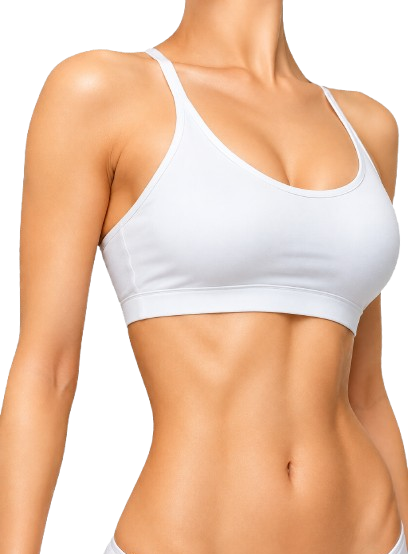
Non-surgical body slimming is a body-contouring approach designed to target localized fat deposits and improve body contours without surgical procedures. It may be considered for areas where stubborn fat remains despite healthy lifestyle habits.
At Dr. Ankuja’s Skin, Laser & Hair Clinic, treatment is planned after assessing your concerns, body area, skin condition, and desired outcome.
Non-surgical body-contouring treatments may be considered for:
Every body is different. Our approach begins with an individual assessment to understand your concerns and recommend an appropriate treatment plan.
We focus on personalized treatment, realistic expectations, and medically supervised care.
Depending on the treatment selected, non-surgical body slimming may help:
Trusted Care. Proven Expertise. Real Results. Lasting Confidence.?
Board-certified dermatologists specialize in diagnosing and treating the skin, hair, and nails. They have the expertise to tell you whether the change is harmless or requires medical testing.
Acne is a skin condition that occurs when your hair follicles become plugged with oil and dead skin cells. It causes whiteheads, blackheads or pimples. Acne is most common among teenagers, though it affects people of all ages. Effective acne treatments are available, but acne can be persistent.
Hair transplant, or restoration surgery, can make the most of the hair you have left. During a hair transplant procedure, a dermatologist or cosmetic surgeon removes hair from a part of the head that has hair and transplants it to a bald spot. Each patch of hair has one to several hairs (micrografts and minigrafts).
Best Hair Transplant Surgeon in Pune
Best Skin Treatment Doctor in Pune
Aesthetic Physician, Cosmetologist,
Dermatologist & Trichologist
+91 75586 45757 / +91 72496 71880
ankuja.mhaske@gmail.com
Copyright © 2026 Dr. Ankuja Mhaske