
Home > Services > Chemical Peels Treatment
Chemical Peels Treatment
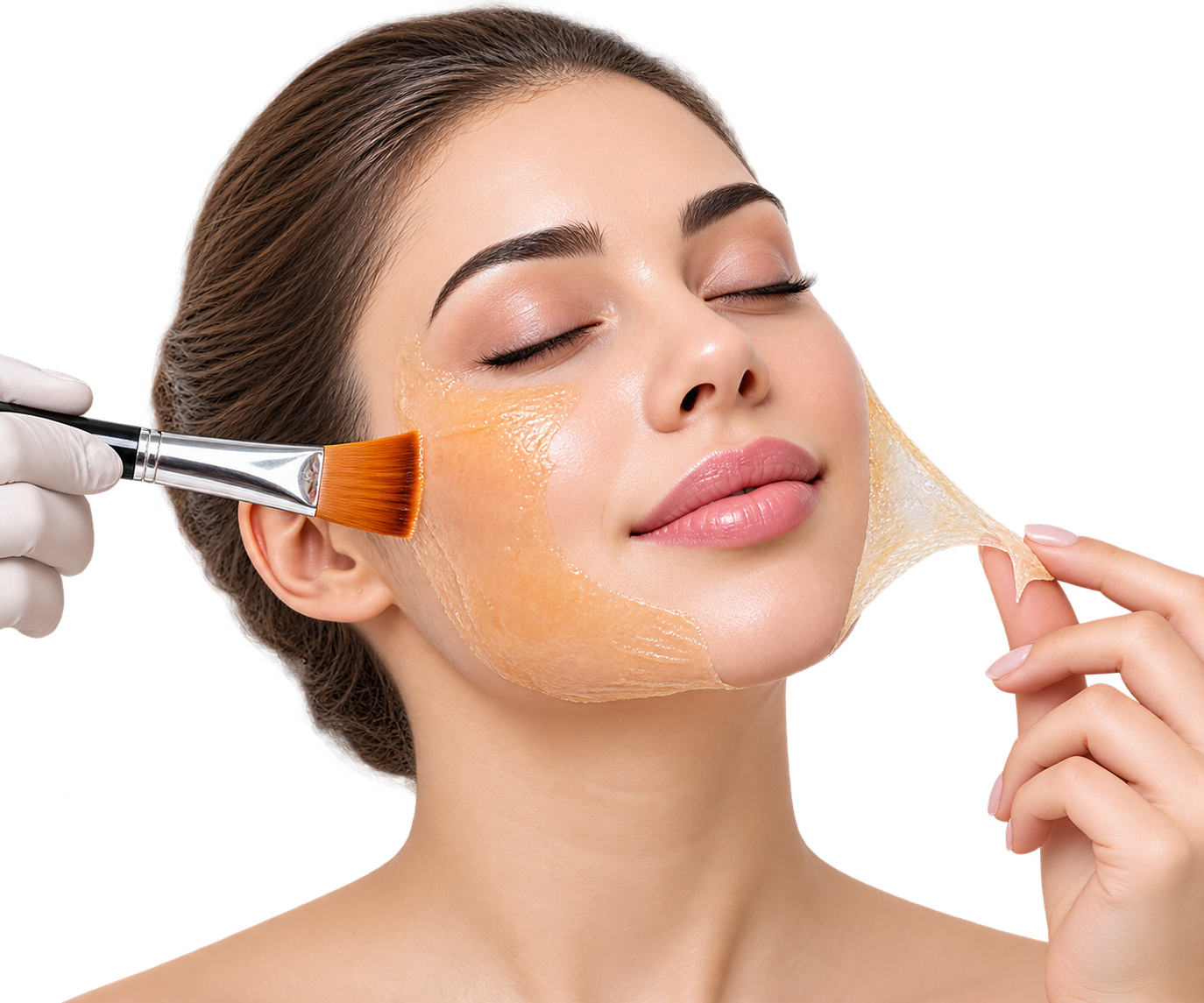
Chemical peels are cosmetic treatments that use chemical solutions to exfoliate the skin, improve texture and tone, and promote cellular renewal. Chemical peels are available in various strengths and formulations to address a wide range of skin concerns, including acne, hyperpigmentation, fine lines, wrinkles, and sun damage.
Superficial Peels: Superficial or light chemical peels use mild acids such as alpha hydroxy acids (AHAs) or beta hydroxy acids (BHAs) to gently exfoliate the outermost layer of the skin (epidermis), resulting in a smoother, brighter complexion. Superficial peels are suitable for individuals with mild skin concerns and require little to no downtime.
Medium Peels: Medium chemical peels use stronger acids such as glycolic acid, trichloroacetic acid (TCA), or a combination of acids to penetrate deeper into the skin and target more advanced concerns such as moderate wrinkles, pigmentation irregularities, and acne scarring. Medium peels may require several days of downtime for recovery as the skin undergoes peeling and renewal.
Deep Peels: Deep chemical peels use potent acids such as phenol to penetrate deeply into the skin and address severe skin aging, deep wrinkles, sun damage, and precancerous growths. Deep peels provide dramatic results but require a longer recovery period and carry a higher risk of complications such as skin lightening, scarring, and infection.
Chemical peels are performed as in-office treatments by licensed dermatologists or skincare professionals. The procedure involves applying a chemical solution to the skin and allowing it to penetrate for a specific amount of time before neutralizing and removing it. Chemical peels may cause a mild burning or stinging sensation during treatment and temporary redness, peeling, and sensitivity afterward.
After a chemical peel treatment, individuals may notice smoother, brighter, and more youthful-looking skin with improved texture and tone. To maintain and enhance the results of chemical peels, it is essential to follow post-treatment instructions provided by the skincare professional, avoid sun exposure, and use sunscreen daily.
Trusted Care. Proven Expertise. Real Results. Lasting Confidence.?
Board-certified dermatologists specialize in diagnosing and treating the skin, hair, and nails. They have the expertise to tell you whether the change is harmless or requires medical testing.
Acne is a skin condition that occurs when your hair follicles become plugged with oil and dead skin cells. It causes whiteheads, blackheads or pimples. Acne is most common among teenagers, though it affects people of all ages. Effective acne treatments are available, but acne can be persistent.
Hair transplant, or restoration surgery, can make the most of the hair you have left. During a hair transplant procedure, a dermatologist or cosmetic surgeon removes hair from a part of the head that has hair and transplants it to a bald spot. Each patch of hair has one to several hairs (micrografts and minigrafts).
Best Hair Transplant Surgeon in Pune
Best Skin Treatment Doctor in Pune
Aesthetic Physician, Cosmetologist,
Dermatologist & Trichologist
+91 75586 45757 / +91 72496 71880
ankuja.mhaske@gmail.com
Copyright © 2026 Dr. Ankuja Mhaske