Hair Breakage and Split Ends: Prevention and Best Hair Care Routine
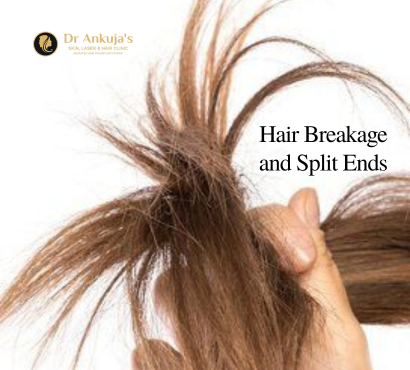
Hair breakage and split ends are among the most common hair concerns affecting both men and women. They make hair appear dry, dull, frizzy, and difficult to manage. While occasional split ends are normal, frequent breakage may indicate underlying damage caused by styling habits, environmental exposure, or nutritional deficiencies. Understanding the causes and adopting the right hair care routine can significantly improve hair strength and overall appearance. With proper prevention strategies, most people can restore healthier hair over time. What Are Split Ends? Split ends occur when the protective outer layer of the hair shaft becomes damaged. This causes the hair strand to separate into two or more fragments at the tip. This condition is medically known as trichoptilosis. Split ends usually appear when hair loses moisture and structural strength due to repeated stress. What Is Hair Breakage? Hair breakage occurs when hair strands snap before completing their natural growth cycle. Unlike normal hair fall from the roots, breakage happens along the length of the hair shaft. Common signs include: uneven hair length rough texture increased frizz thinning ponytail volume short broken strands near the scalp Recognizing the difference between breakage and hair fall helps guide proper treatment. Common Causes of Hair Breakage and Split Ends Several lifestyle and environmental factors weaken hair structure over time. Excessive Heat Styling Frequent use of styling tools such as: straighteners curling irons blow dryers removes natural moisture from the hair shaft. This leads to dryness and brittleness. Using high heat regularly is one of the leading causes of split ends. Chemical Hair Treatments Repeated exposure to chemical treatments weakens hair protein bonds. Common damaging procedures include: hair coloring bleaching rebonding perming smoothing treatments Over-processing reduces hair elasticity and strength. Overwashing Hair Washing hair too frequently removes natural scalp oils. These oils protect the hair shaft from environmental damage. Dry hair becomes more prone to breakage and splitting. Rough Handling of Wet Hair Hair is weakest when wet. Aggressive practices like: towel rubbing tight brushing combing wet strands increase the risk of mechanical damage. Gentle handling prevents unnecessary breakage. Tight Hairstyles Repeated tension from tight hairstyles may weaken hair roots and shafts. Examples include: tight ponytails braids buns extensions Loose styling helps reduce stress on hair strands. Poor Nutrition Hair health depends heavily on nutritional balance. Deficiencies in nutrients such as: protein iron zinc biotin vitamin D can weaken hair structure. Balanced nutrition supports stronger hair growth. Environmental Damage External exposure also contributes to hair weakness. Common environmental causes include: sunlight pollution humidity hard water Protective hair care habits help reduce this damage. Signs That Indicate Hair Damage Recognizing early signs helps prevent severe breakage. Warning indicators include: rough texture dull appearance tangled strands increased frizz reduced shine uneven ends Early intervention improves recovery outcomes. How Split Ends Affect Hair Growth Split ends travel upward along the hair shaft if untreated. This leads to: increased breakage slower visible hair growth thinning hair length difficulty maintaining long hair Regular trimming prevents further damage progression. Daily Hair Care Routine to Prevent Breakage A consistent routine improves hair strength and elasticity. Use a Mild Shampoo Choose a gentle shampoo suitable for your scalp type. Avoid products containing harsh sulfates. Mild cleansing preserves natural moisture balance. Condition Hair Regularly Conditioner protects the hair shaft from dryness. It improves: smoothness detangling ability elasticity shine Applying conditioner mainly to mid-length and ends prevents buildup near the scalp. Avoid Excessive Heat Styling Limit heat styling to special occasions. When required: use lower temperature settings apply heat protection products avoid repeated styling in the same area Reducing heat exposure prevents structural damage. Trim Hair Regularly Trimming every 6–8 weeks helps remove damaged ends. This prevents splits from spreading further upward. Regular trims improve overall hair appearance. Protect Hair During Sleep Nighttime friction causes breakage. Helpful protective measures include: sleeping on satin pillowcases tying loose braids avoiding tight rubber bands These habits reduce overnight damage. Choose the Right Hair Accessories Hair accessories should not pull excessively on strands. Prefer: soft scrunchies fabric bands loose clips Avoid metal accessories that damage hair shafts. Importance of Oil Massage for Hair Strength Regular scalp oil massage improves circulation. Benefits include: improved nourishment to hair roots reduced dryness enhanced hair texture relaxation and stress reduction Natural oils commonly used include: coconut oil almond oil argan oil Routine oiling supports long-term hair health. Role of Diet in Preventing Hair Breakage Hair requires continuous nutritional support. Important nutrients include: Protein Hair is primarily made of keratin protein. Protein-rich foods include: eggs lentils dairy products nuts Adequate protein strengthens hair structure. Iron Iron supports oxygen delivery to hair roots. Low iron levels contribute to hair weakness. Sources include: spinach beetroot legumes jaggery Balanced iron intake supports growth. Biotin Biotin supports keratin production. Biotin-rich foods include: bananas almonds whole grains peanuts Adequate intake improves hair strength. Zinc Zinc supports tissue repair and growth. Sources include: pumpkin seeds chickpeas cashews Zinc deficiency increases breakage risk. Hydration and Hair Health Water supports scalp moisture balance. Poor hydration leads to: dryness brittle strands reduced shine Adequate daily water intake supports healthy hair texture. Professional Treatments for Severe Hair Damage Some cases require medical or dermatological support. Available options include: deep conditioning therapies protein repair treatments scalp health evaluation nutritional correction plans Professional guidance improves treatment success. Long-Term Strategies for Stronger Hair Maintaining strong hair requires consistent habits. Helpful strategies include: balanced nutrition gentle styling reduced chemical exposure stress management proper hydration These steps promote healthier hair growth cycles. FAQ Can split ends be repaired without trimming? Split ends cannot permanently rejoin once damaged. Trimming remains the most effective solution to remove them and prevent further splitting. How often should hair be trimmed to prevent breakage? Hair trimming every 6–8 weeks helps maintain healthy ends and reduces split-end progression. Does oiling hair prevent breakage? Yes. Regular oiling improves moisture retention, reduces dryness, and strengthens hair strands over time.
The Link Between Stress and Skin Conditions: How to Manage It
Stress affects more than emotional health. It has a direct and powerful impact on the skin. Many people notice breakouts before exams, itching during anxiety, or sudden hair fall during difficult life phases. These reactions are not coincidental. They are part of a scientifically recognized connection between mental stress and skin health. The skin and nervous system are closely linked. When stress levels rise, the body releases hormones that influence inflammation, immunity, and oil production. These changes can trigger or worsen several dermatological conditions. Understanding this connection helps individuals manage symptoms effectively and maintain healthier skin even during stressful periods. How Stress Affects the Skin When the body experiences stress, it activates the fight-or-flight response, releasing hormones like cortisol and adrenaline. These hormones can: increase inflammation stimulate oil glands weaken the skin barrier slow wound healing trigger allergic reactions worsen chronic skin diseases Over time, repeated stress exposure can significantly affect skin appearance and function. The Brain–Skin Connection Explained The skin and brain originate from the same embryonic tissue layer known as the ectoderm. Because of this shared origin, they remain connected throughout life via the nervous system and immune pathways. This connection is known as the brain-skin axis. Stress signals from the brain directly influence: immune responses in the skin sweat production oil secretion blood circulation collagen breakdown These changes explain why emotional health plays a major role in dermatological conditions. Common Skin Conditions Triggered by Stress Stress does not create every skin condition, but it can worsen many existing ones. Stress and Acne Stress increases cortisol levels, which stimulate sebaceous glands to produce excess oil. This leads to: clogged pores bacterial growth inflammation painful breakouts Stress acne commonly appears on: forehead jawline cheeks chin Sleep disturbance caused by stress further worsens acne severity. Stress and Eczema Eczema is strongly influenced by emotional triggers. Stress can: weaken the skin barrier increase itching sensation worsen redness trigger flare-ups Scratching caused by stress-induced itching further damages the skin surface. Children and adults both experience stress-related eczema worsening. Stress and Psoriasis Psoriasis is an autoimmune condition influenced by immune system activity. Stress increases inflammatory cytokines that can: trigger new plaques worsen existing lesions delay treatment response Many patients report flare-ups during emotionally difficult situations. Stress and Hair Loss Stress-related hair loss is extremely common. Conditions linked with stress include: Telogen Effluvium Hair enters the resting phase prematurely. Symptoms include: sudden hair shedding thinning ponytail volume increased hair on pillow or comb This condition is usually temporary. Alopecia Areata Stress may trigger autoimmune reactions attacking hair follicles. Symptoms include: patchy hair loss sudden bald spots eyebrow thinning Early treatment improves recovery outcomes. Stress and Skin Aging Chronic stress accelerates premature aging. It reduces collagen production and increases oxidative damage. Signs include: wrinkles dull skin pigmentation uneven texture Sleep disruption also contributes to faster skin aging. Stress and Skin Sensitivity Stress increases nerve sensitivity in the skin. This may cause: burning sensation itching without rash redness irritation from cosmetics These symptoms are common in individuals with sensitive skin. Signs Your Skin Problems May Be Stress-Related Skin symptoms linked with stress often show specific patterns. Common indicators include: flare-ups before important events worsening symptoms during emotional strain improvement during holidays or relaxation recurring unexplained breakouts itching without visible cause Recognizing these patterns helps guide treatment decisions. How Stress Weakens the Skin Barrier The skin barrier protects against bacteria, pollution, and allergens. Stress reduces barrier strength by: decreasing hydration levels increasing inflammation slowing repair processes This leads to dryness, irritation, and infection risk. Restoring barrier health is essential for recovery. Lifestyle Factors That Increase Stress-Related Skin Problems Certain habits amplify stress effects on the skin. These include: poor sleep unhealthy diet excessive screen time lack of physical activity smoking dehydration Improving daily routines significantly improves skin resilience. Effective Ways to Manage Stress-Related Skin Conditions Managing stress improves both emotional health and skin quality. Improve Sleep Quality Sleep supports hormone balance and skin repair. Helpful strategies include: maintaining a fixed sleep schedule reducing screen exposure before bedtime avoiding caffeine at night creating a calm sleep environment Better sleep reduces inflammation and acne flare-ups. Practice Relaxation Techniques Relaxation reduces cortisol levels. Effective options include: meditation breathing exercises yoga stretching routines Even 10 minutes daily improves skin responses. Follow a Skin-Friendly Diet Nutrition plays a major role in stress recovery. Recommended foods include: fruits rich in antioxidants leafy vegetables nuts and seeds omega-3 fatty acids whole grains These support skin healing and immune balance. Stay Physically Active Exercise reduces stress hormones and improves circulation. Benefits include: improved oxygen delivery better collagen production toxin elimination through sweating Regular activity supports clearer skin. Maintain a Gentle Skincare Routine Over-treating stressed skin worsens irritation. A simple routine works best: gentle cleanser moisturizer sunscreen Avoid harsh scrubs during flare-ups. When to See a Doctor Medical consultation is important if symptoms: persist for several weeks worsen rapidly cause severe itching include sudden hair loss interfere with daily activities Early dermatological evaluation improves treatment success. Long-Term Skin Protection Strategies Protecting the skin from stress requires consistent habits. Helpful strategies include: balanced nutrition adequate hydration regular exercise proper skincare routine emotional wellness support These measures strengthen the skin-mind connection. FAQ Can stress alone cause acne? Stress does not directly cause acne but increases oil production and inflammation, which can worsen breakouts significantly. Is stress hair loss permanent? Most stress-related hair loss conditions like telogen effluvium are temporary and reversible with proper care and recovery. Can reducing stress improve eczema symptoms? Yes. Stress reduction often decreases itching intensity and flare-up frequency in eczema patients.
Lip Fillers: What to Expect Before and After the Procedure
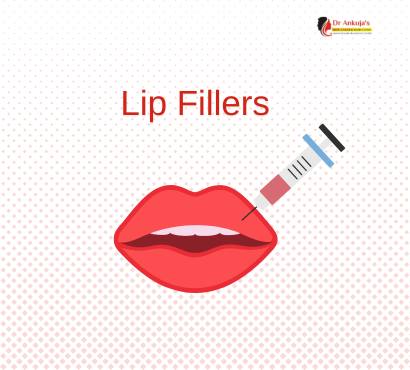
In recent years, lip enhancement procedures have become increasingly popular among individuals who want fuller, more defined lips. Among the available options, lip fillers are one of the most widely chosen non-surgical cosmetic treatments. These minimally invasive procedures are designed to add volume, enhance lip shape, and improve overall facial balance without requiring surgery or long recovery times. The growing interest in lip fillers is driven by several factors, including social media trends, improved cosmetic techniques, and greater awareness of aesthetic procedures. Many people seek lip fillers not only to achieve fuller lips but also to correct asymmetry, restore volume lost with aging, or enhance natural lip contours. Although the procedure is relatively quick and minimally invasive, it is important to understand what happens before, during, and after the treatment. Proper preparation and aftercare play a crucial role in achieving safe and satisfying results. This detailed guide explains how lip fillers work, who may benefit from them, what to expect before and after the procedure, potential side effects, recovery tips, and how long results typically last. Understanding Lip Fillers Lip fillers are injectable substances used to increase lip volume, enhance lip shape, and improve lip symmetry. Most modern lip fillers are made using hyaluronic acid, a naturally occurring substance in the body that helps maintain skin hydration and elasticity. Hyaluronic acid fillers work by attracting water molecules to the treated area, which creates a fuller and more hydrated appearance. Because the substance already exists in the body, it is generally well tolerated when used appropriately. Lip fillers can help achieve several cosmetic improvements, including: Increased lip volume Improved lip symmetry Enhanced lip definition Reduced appearance of fine lines around the lips Restoration of volume lost due to aging The goal of lip filler treatment is often to enhance natural features rather than drastically change them. Why People Choose Lip Fillers There are several reasons why individuals opt for lip filler treatments. Enhancing Naturally Thin Lips Some individuals naturally have thin lips and may desire a fuller appearance. Correcting Asymmetry Lip fillers can help balance uneven lips or improve the symmetry between the upper and lower lip. Restoring Age-Related Volume Loss As people age, the lips may gradually lose volume and definition. Fillers can restore a more youthful appearance. Improving Facial Proportion Well-balanced lips can contribute to overall facial harmony and aesthetics. Understanding personal goals is an important step in determining whether lip fillers are the right option. Who Is a Good Candidate for Lip Fillers? Lip fillers may be suitable for individuals who: Want fuller or more defined lips Have healthy skin and overall good health Have realistic expectations about cosmetic procedures Wish to correct lip asymmetry or volume loss However, certain individuals may need to postpone or avoid the procedure, including those with active skin infections or certain medical conditions. Consultation with a qualified professional helps determine suitability for treatment. What Happens Before the Lip Filler Procedure? Preparation is an important part of achieving optimal results. Initial Consultation Before the procedure, a consultation typically takes place to discuss goals, expectations, and medical history. During this stage, factors such as lip shape, facial proportions, and desired outcomes are evaluated. Patients may also discuss: Preferred lip volume Desired lip contour Potential risks and benefits Clear communication ensures realistic expectations. Pre-Treatment Guidelines Certain precautions may be recommended before the procedure to reduce the risk of side effects. These may include: Avoiding alcohol for a day or two before treatment Avoiding medications or supplements that increase bruising risk Staying hydrated Informing the practitioner about any allergies or medications Following these guidelines helps minimize complications such as swelling or bruising. What Happens During the Lip Filler Procedure? The lip filler procedure is usually quick and can often be completed within 30 to 45 minutes. Step 1: Cleansing the Area The lips and surrounding skin are thoroughly cleaned to maintain hygiene. Step 2: Numbing the Lips A topical numbing cream may be applied to reduce discomfort during injections. Step 3: Injection of the Filler Using a fine needle or cannula, the filler is carefully injected into specific areas of the lips. The practitioner may massage the area gently to distribute the filler evenly. Step 4: Assessment After injections are completed, the lips are assessed to ensure the desired shape and volume have been achieved. The procedure typically involves minimal discomfort. What to Expect Immediately After the Procedure After the treatment, patients may notice immediate changes in lip volume. However, temporary side effects are also common. These may include: Mild swelling Redness around injection points Slight tenderness Minor bruising These effects usually subside within a few days. Lip Filler Recovery Timeline Recovery from lip filler treatment is generally quick. First 24 Hours Swelling may be most noticeable during the first day. Applying cold compresses may help reduce swelling. First Few Days Bruising and tenderness gradually improve. Lips may appear slightly uneven due to swelling. One to Two Weeks Final results usually become visible as swelling fully resolves. During this time, lips settle into their final shape. Aftercare Tips for Lip Fillers Proper aftercare is essential for optimal results. Helpful tips include: Avoid touching or massaging the lips unnecessarily Avoid strenuous exercise for the first 24 hours Avoid excessive heat exposure such as saunas Stay hydrated Avoid heavy makeup on the lips for a short period Following post-procedure instructions helps minimize side effects and supports healing. Possible Side Effects of Lip Fillers Lip fillers are generally safe when performed properly, but some side effects may occur. Common temporary effects include: Swelling Bruising Tenderness Mild redness Rare complications may occur but are uncommon when procedures are performed carefully. If unusual symptoms such as severe pain or prolonged swelling occur, dermatologist advice should be sought. How Long Do Lip Fillers Last? Lip fillers are not permanent. The body gradually absorbs the filler over time. Results typically last six to twelve months, depending on factors such as: Type of filler used Individual metabolism Lifestyle habits Amount of filler injected
Thread Lifts: A Non-Surgical Facelift Option
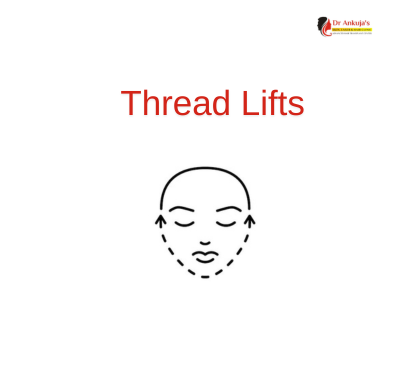
In today’s fast-paced world, not everyone has the time—or desire—for invasive cosmetic surgeries. Many people are looking for quick, effective, and minimally invasive solutions to restore youthful skin. This is where thread lifts come into the picture. A thread lift is a popular non-surgical cosmetic procedure that helps lift sagging skin, improve facial contours, and stimulate collagen production—all without major surgery. If you’re considering facial rejuvenation but want to avoid a traditional facelift, this guide will help you understand everything about thread lifts and whether they’re right for you. What is a Thread Lift? A thread lift is a minimally invasive cosmetic procedure where dissolvable threads are inserted under the skin to lift and tighten sagging areas. These threads: Physically lift the skin Stimulate natural collagen production Improve skin texture over time The result is a more youthful, firm, and refreshed appearance. How Does a Thread Lift Work? The procedure involves placing special medical-grade threads beneath the skin using a fine needle. Step-by-Step Process: Local anesthesia is applied Threads are inserted under the skin Skin is gently lifted and repositioned Threads dissolve over time, boosting collagen Types of Threads Used 1. PDO Threads Most commonly used Dissolve naturally over time Promote collagen production 2. PLLA Threads Provide longer-lasting results Strong collagen stimulation 3. PCL Threads Advanced option Longest-lasting effects Who is an Ideal Candidate? Thread lifts are best suited for: People aged 30–55 Mild to moderate skin sagging Early signs of ageing Individuals wanting non-surgical solutions Areas That Can Be Treated Thread lifts can improve: Cheeks Jawline Neck Eyebrows Nasolabial folds Benefits of Thread Lifts 1. Non-Surgical Procedure No cuts, no stitches, and minimal downtime. 2. Quick Treatment Usually completed within 30–60 minutes. 3. Natural Results Enhances your appearance without looking “overdone.” 4. Collagen Boost Improves skin quality over time. 5. Minimal Recovery Time Most people resume normal activities within a few days. Thread Lift vs Surgical Facelift Feature Thread Lift Surgical Facelift Invasiveness Minimal High Recovery Time Few days Weeks Cost More affordable Expensive Results Duration 1–2 years 5–10 years What Results Can You Expect? Immediate lifting effect Gradual improvement in skin texture Firmer, tighter skin over time Results typically last: 12–24 months depending on thread type and skin condition Possible Side Effects Thread lifts are generally safe but may include: Mild swelling Bruising Slight discomfort Temporary skin irregularities These usually resolve within a few days. Aftercare Tips To get the best results: Avoid heavy facial movements for a few days Sleep on your back Avoid strenuous exercise for 1 week Follow dermatologist instructions carefully Risks to Be Aware Of Though rare, possible risks include: Infection Thread visibility Asymmetry Choosing an experienced professional reduces these risks significantly. Cost of Thread Lift in India The cost varies based on: Number of threads used Area treated Clinic location Generally, it is more affordable than a surgical facelift. Is Thread Lift Permanent? No, thread lifts are not permanent. However: Threads dissolve over time Collagen continues to improve skin quality Maintenance sessions can prolong results Thread Lift vs Dermal Fillers Thread Lift: Lifts sagging skin Fillers: Add volume Often, both treatments are combined for better results. Emotional & Psychological Benefits Looking better often leads to: Improved confidence Better self-esteem Positive social interactions Who Should Avoid Thread Lifts? Pregnant women People with severe skin sagging Individuals with certain skin infections Myths vs Facts Myth: Thread lifts replace surgery completely Fact: They are best for mild to moderate ageing. Myth: Results are instant and permanent Fact: Results improve over time but are temporary. Myth: It looks unnatural Fact: When done correctly, results are subtle and natural. Tips Before Getting a Thread Lift Choose a qualified professional Discuss expectations clearly Understand realistic outcomes Avoid blood-thinning medications before procedure Thread lifts are an excellent option for individuals looking for a quick, safe, and effective way to rejuvenate their appearance without surgery. While they may not replace a surgical facelift, they offer a practical solution for early signs of ageing with minimal downtime and natural-looking results. If you’re noticing sagging skin and want a refreshed look without going under the knife, a thread lift might be the perfect choice. FAQs 1. How long does a thread lift procedure take? It usually takes around 30–60 minutes, making it a quick and convenient treatment. 2. Is a thread lift painful? The procedure is done under local anesthesia, so discomfort is minimal. 3. How soon can I see results after a thread lift? You can see immediate lifting, with improved skin texture over the next few weeks.
Grey Hair: Causes and Scientific Facts About Premature Greying
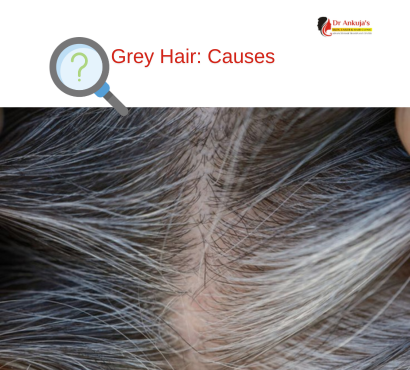
Spotting your first grey hair can be surprising—especially when it happens earlier than expected. While greying hair is often associated with aging, many people in their 20s or even late teens notice strands turning white or silver. This phenomenon, known as premature greying, is becoming increasingly common in India due to a combination of lifestyle, environmental, and genetic factors. But what actually causes hair to turn grey? Is it reversible? And more importantly—can it be prevented? In this blog, we’ll explore the science behind grey hair, debunk common myths, and understand what truly influences premature greying. What Causes Hair to Turn Grey? Hair color is determined by a pigment called melanin, which is produced by specialized cells known as melanocytes in hair follicles. There are two main types of melanin: Eumelanin – responsible for black and brown shades Pheomelanin – responsible for red and yellow tones As we age, melanocyte activity gradually slows down. Eventually, these cells stop producing pigment altogether, leading to grey or white hair. The Scientific Process Hair follicles produce melanin during the growth phase With time, melanocyte stem cells get depleted Reduced pigment leads to lighter hair No pigment = completely white hair Premature Greying: When Is It Considered Early? Premature greying varies across populations, but generally: Before age 20 in Caucasians Before age 25 in Asians (including Indians) Before age 30 in African populations If you notice significant greying before these ages, it is considered premature. Major Causes of Premature Greying 1. Genetics (The Biggest Factor) If your parents or grandparents experienced early greying, chances are you might too. Genetics largely determine when your melanocytes begin to decline. 👉 This is why some individuals experience greying in their early 20s despite having a healthy lifestyle. 2. Vitamin Deficiencies Deficiencies in essential nutrients can directly impact melanin production: Vitamin B12 deficiency – one of the most common causes Iron deficiency – affects oxygen supply to hair follicles Folic acid deficiency – impacts cell regeneration Vitamin D deficiency – linked to hair follicle health 👉 In India, nutritional deficiencies are a significant contributor to early greying due to dietary imbalances. 3. Stress and Lifestyle Factors Chronic stress has been scientifically linked to hair greying. Stress can: Damage melanocyte stem cells Increase oxidative stress in the body Accelerate aging processes Modern lifestyle factors such as: Poor sleep High screen time Irregular eating habits can all contribute to premature greying. 4. Oxidative Stress Our body naturally produces free radicals, but when their levels increase, they damage cells—including melanocytes. This imbalance is known as oxidative stress, and it: Reduces melanin production Accelerates hair aging Leads to premature greying 5. Hormonal Imbalance Hormones play a critical role in regulating body functions, including hair pigmentation. Conditions like: Thyroid disorders PCOD (in women) Hormonal fluctuations can influence early greying. 6. Smoking Smoking has been strongly linked to premature greying. It: Reduces blood flow to hair follicles Increases oxidative stress Damages DNA of melanocytes Studies show smokers are significantly more likely to develop grey hair early. 7. Medical Conditions Certain conditions may trigger early greying: Autoimmune disorders Vitiligo Alopecia areata These conditions may attack pigment-producing cells, leading to white patches or greying. Common Myths About Grey Hair ❌ Myth 1: Plucking One Grey Hair Causes More to Grow ✔️ Truth: Plucking does not increase grey hair, but repeated plucking can damage follicles. ❌ Myth 2: Grey Hair Can Turn Black Again Naturally ✔️ Truth: Once melanin production stops, the change is usually permanent. ❌ Myth 3: Oil Can Reverse Grey Hair ✔️ Truth: Oils improve hair health but do not restore pigment. ❌ Myth 4: Only Older People Get Grey Hair ✔️ Truth: Premature greying is common in younger individuals today. Can Premature Greying Be Reversed? In most cases, complete reversal is not possible, especially if it is genetic. However, in cases caused by deficiencies or medical issues, early intervention may help: Correcting vitamin deficiencies Managing stress Treating underlying conditions 👉 Early diagnosis plays a key role. How to Prevent Premature Greying While not all cases are preventable, these steps can slow down the process: 1. Improve Your Diet Include: Leafy greens Nuts and seeds Dairy products Fruits rich in antioxidants 2. Manage Stress Practice meditation or yoga Maintain a healthy sleep cycle Take regular breaks from work 3. Avoid Harsh Chemicals Frequent use of: Hair dyes Chemical treatments Heat styling tools can damage hair health. 4. Stay Hydrated Hydration helps maintain overall scalp and hair health. 5. Quit Smoking This is one of the most effective steps to prevent premature aging of hair. Treatment Options for Grey Hair While reversing grey hair is difficult, several options can help manage it: 1. Hair Coloring The most common solution: Temporary dyes Permanent hair colors Natural options like henna 2. Nutritional Supplements If deficiencies are diagnosed, supplements may help improve hair quality. 3. Scalp Treatments Advanced therapies may improve scalp health and hair growth. 4. Hair Restoration Techniques In certain cases, treatments like pigmentation or transplantation may be considered for aesthetic improvement. Psychological Impact of Premature Greying Grey hair can affect confidence, especially in younger individuals. It may lead to: Self-consciousness Reduced self-esteem Social anxiety 👉 It’s important to understand that grey hair is a natural biological process and increasingly common today. When Should You See a Doctor? Consult a Hair specialist if: Greying occurs very early (teens or early 20s) Hair fall accompanies greying You have symptoms of thyroid or vitamin deficiency There are patchy white areas Conclusion Grey hair is a natural part of aging, but premature greying is influenced by multiple factors including genetics, nutrition, stress, and lifestyle habits. While it may not always be reversible, understanding the root cause can help you manage it effectively. With the right care, balanced nutrition, and healthy lifestyle choices, you can maintain not just your hair color—but overall hair health. FAQs 1. Can vitamin supplements stop grey hair? If greying is caused by deficiencies like Vitamin B12 or iron, supplements may slow down the process.
Hair Transplant India 2026 : Pros Cons Cost Recovery Guide
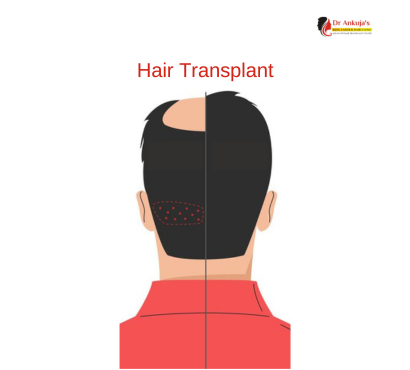
Hair thinning steals confidence daily, but transplants deliver lifelong density—if you’re the right fit. India’s world-class clinics make FUE affordable at 1/3 global prices, yet rushing in without matching criteria leads to 20-30% dissatisfaction. This guide cuts through hype to real candidacy. Understanding Hair Loss Stages for Transplant Fit Pattern baldness (androgenetic alopecia) Norwood-Hamilton scale 3+ with 2-year stability signals readiness—temples receding predictably, vertex thinning moderately. Women Ludwig I-II post-menopause. Stable traction alopecia or scarring suits partial coverage. Diffuse unpatterned alopecia areata disqualifies as donor thins too. India sees peak demand men 28-45, genetic from 20s. Trial medical therapy 12 months first; non-responders prime candidates. Perfect Candidate Checklist Stable loss 2+ years, age 25-55 for pattern prediction. Donor density ≥40 follicular units/cm² at occiput/sides (6,000+ total safe harvest). Healthy scalp—no active psoriasis, keloids, uncontrolled diabetes (heals poor). Realistic goals: frame hairline, not teen density. Young flexible scalps yield best. Non-smokers, BMI<30 optimize graft survival 95%. Red flags: ongoing rapid loss, poor vascularity, psychological distress expecting miracles. Consult dermatologist via trichoscopy/densitometry. FUE vs FUT vs DHI: Technique Match FUE: motorized punches extract 2,500-4,000 grafts/session, no linear scar, heals 7-10 days—ideal buzzcuts, multiple sessions. FUT: strip harvest max 5,000+ grafts one go, microscope precision, linear scar hides long hair—advanced baldness. DHI: direct implanters control depth/angle, no slits, premium pricing. India FUE dominates 85% for scarless appeal in humid climates. Hybrids NW6 crowns. Robotic ARTAS precise but ₹2x cost. Compelling Pros Backed by Outcomes Permanent DHT-resistant follicles grow 0.4mm/month lifelong, 90-95% survival skilled hands. Natural 40-60FU/cm² density, undetectable angles. Psychological boost: 85% report confidence surge in studies. FUE downtime 3-5 days work return. Scalp laxity preserved for future. India surgeons master coarse Asian hair textures. Complements PRP/minoxidil maintaining natives. Honest Cons and Risk Realities Upfront ₹60k-2.5L (2,500 grafts); progression requires lifelong finasteride (60% halt). Shock loss sheds 30% natives temporarily (regrows 4 months). Postoperative swelling/itch 7-14 days, crusting 10 days. FUE dot scars visible <2mm buzz. Unskilled: doll-plug look, overharvest “moth-eaten” donor. Infection<1%, necrosis 0.1%. Patience needed—full results 12-18 months. Not viable thin donors. Aspect Comparison FUE Pros/Cons FUT Pros/Cons Survival Rate Scarring Dots invisible Linear hidden 95% Grafts/Session 3,000 max 5,000+ 92% Recovery 7 days 14 days – Cost India ₹50k avg ₹70k avg Detailed Procedure Day Experience Consult: digital design, graft estimate (1,500 hairline, 3,000 crown). Pre-op: shave donor (FUE), antibiotics, PRP optional. 6-10hr under tumescent local—extract prone, implant supine. Night: elevate head, no bending. India clinics offer AC luxury suites. Recovery Roadmap with Timelines Days 1-3: ice swelling, antibiotics, rest. Day 4: gentle wash. Week 1: hat outdoors, desk work. Week 2: minoxidil restarts, light gym. Month 1: shedding normal, 10% growth. Months 3-6: thickening waves. Year 1: mature. 98% take if no smoking/sun. Itch peaks day 10—steroid lotions. India Cost Breakdown 2026 ₹40-80/graft: Pune ₹45 avg, Delhi ₹60 premium. 2,000 grafts ₹80k-1.6L packages (hotel/follow-ups). Factors: technique, reputation, grafts. Vs US ₹3-5L same. EMI, insurance rare. Long-term: beats wigs ₹20k/year. Smart Alternatives If Not Ideal Diffuse young: finasteride+minox 65% stabilize, low-level laser FDA-cleared 25% thicken. PRP 6 sessions/year 40% density. SMP micropigmentation illusion. Toppers/wigs natural short-term. Transplant post-stabilization. Consult dermatologist for non-invasive first. Decision-Making Framework Score scalp: donor 8/10, stability yes, expectations realistic? Review 200+ clinic photos same ethnicity. Cost-benefit 20 years. Trial meds 18 months. India advantages: English, hospitality, skill exodus from ISHRS. Right fit=transformative. FAQ What donor density qualifies for hair transplant? Minimum 40 follicular units/cm² in occiput allows safe harvest of 4,000-6,000 grafts without depleting future options, confirmed via densitometer—below 30/cm² shifts to alternatives like SMP. Does hair transplant stop further balding? No, transplanted DHT-resistant follicles thrive permanently, but native hairs continue miniaturizing unless managed with finasteride/minoxidil (60-70% efficacy), requiring combined approach for frame maintenance. How long until full natural results post-transplant? Initial shedding month 1 is normal; 50% growth by month 6, 80% by 9 months, full mature density/texture at 12-18 months with proper care, as follicles cycle through telogen phases
Picking the Right Chemical Peel – Find Your Skin’s Perfect Match
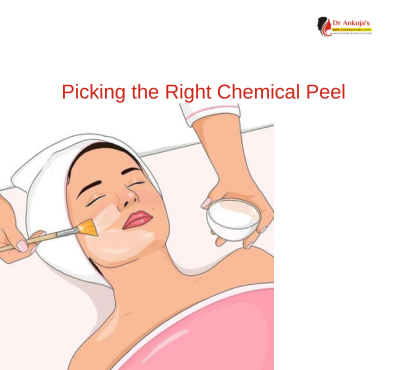
Why Chemical Peels Remain Skin Care Gold Standard Imagine sloughing off years of sun damage, acne scars, and uneven tone in controlled layers – that’s chemical peels. For Indian skin (rich melanin, prone to PIH/melasma), peels offer customized resurfacing without lasers’ downtime or cost. Mechanism: Acid solutions dissolve epidermal bonds, triggering regeneration. Depth controls results: superficial (epidermis), medium (papillary dermis), deep (reticular dermis). Wrong choice? Hyperpigmentation rebound. Understanding Your Skin First: Fitzpatrick Scale for Indians Most Indians Fitzpatrick III-V: Type III: Fair-medium, tans/sometimes burns Type IV: Olive, tans easily Type V: Brown, rarely burns Implication: Stronger peels risk PIH. Start 20-30% concentrations, prime with sunscreen. Superficial Peels: Safe Entry for Beginners Glycolic Acid (AHA) 20-50% Best for: Fine lines, dullness, mild pigmentation, acne Downtime: 1-3 days redness Sessions: 4-6 (2-4 weeks apart) India fit: Excellent first peel; evens monsoon-damaged tone Salicylic Acid (BHA) 20-30% Best for: Active acne, oily skin, blackheads Oil-soluble: Penetrates pores Sessions: 6-8 Mandelic Acid 30-40% Gentle AHA: Large molecule, slow penetration Perfect Indian skin: PIH-safe, antibacterial Medium Peels: Transformative for Scars & Pigmentation TCA (Trichloroacetic Acid) 25-35% Gold standard scars: Ice pick, rolling acne scars Pigmentation powerhouse: Melasma layer 2-3 Downtime: 5-7 days peeling Sessions: 3-5 Jessner’s Peel (Salicylic+Resorcinol+Lactic) Combination: Acne + pigmentation Caution: Patch test mandatory Yellow Peel (Retinoic+Phytic Acid) Sun damage specialist: Age spots, photodamage India summers: Freckles, uneven tone Deep Peels: Serious Resurfacing (Rarely Recommended) Phenol 88% Full face transformation: Deep wrinkles, severe sun damage Not for Indian skin: High PIH risk, cardiac toxicity Reserve: Experienced dermatologists only Picking Your Perfect Peel: Concern-Based Guide Acne/Scars: 1st: Salicylic 25% (pores) 2nd: Glycolic 30% (texture) 3rd: TCA 25% (scars) Pigmentation/Melasma: Mild: Mandelic 35% Moderate: Glycolic 40% + HQ prep Stubborn: Yellow Peel Anti-Aging/Dullness: Early: Glycolic 50% Advanced: TCA 30% Oily/Combination Indian Skin: Salicylic base Pre-Peel Preparation (2-4 Weeks) Prime skin: Sunscreen SPF 50+ daily (critical India UV) Hydroquinone 4% PIH prevention Retinol pause 5 days pre No waxing/bleach 1 week Avoid: Accutane (6 months), recent sunburn. The Peel Procedure: Step-by-Step Cleansing: Degrease skin Application: Layered (watch frosting) Neutralization (most peels) Post-care: Occlusive, cool compress Sensations: Sting (superficial), burn (medium) – tolerable. Post-Peel Care: The Make-or-Break Phase Day 1-3: Frosting, tightness Day 4-7: Peeling (don’t pick!) Week 2+: Moisturize, SPF religiously India tips: Monsoon humidity = fungal risk; AC drying = barrier repair. Expected Results & Session Timeline Peel Type Sessions Results Timeline Downtime Glycolic 6 (monthly) 4-6 weeks glow 1-2 days Salicylic 8 (3 weeks) 6-8 weeks clear pores Minimal TCA 25% 3-4 (6 weeks) 3 months scars fade 7 days Yellow Peel 4 (monthly) 2-3 months even tone 5 days Maintenance: 2-3x/year. Risks & How to Avoid Rebound Pigmentation Complications (rare <5%): Hyperpigmentation (PIH): Wrong depth, no SPF Hypopigmentation: Over-peeling Scarring: Picking peels Infection: Poor hygiene PIH prevention protocol: HQ prep + post-Kejal cream + strict sun avoidance. Who Should Avoid Chemical Peels? Active herpes Keloid tendency Pregnancy (safety data limited) Isotretinoin recent Uncontrolled eczema Combining Peels with Other Treatments Synergies: Microneedling + PRP post-peel scars Lasers (Q-switch) melasma combo Home actives (niacinamide maintenance) FAQ Which chemical peel is safest for first-time Indian skin? Mandelic acid 30-35% – gentle penetration, antibacterial, low PIH risk. Follow with SPF 50 religiously. How many peels needed for acne scars? 6-8 sessions superficial + 2-3 medium TCA. Combine microneedling for 70% improvement. Patience key – 3-6 months. Can peels worsen pigmentation on Indian skin? Yes if deep peels or no sun protection. Stick superficial/medium, prime with HQ, post-SPF mandatory. Patch test always.
Hair Thinning in Women – How to Restore Hair Volume
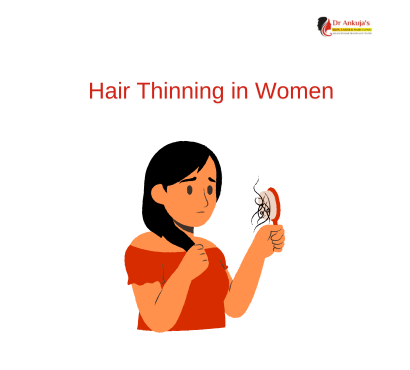
Why hair thinning feels so distressing For many women, hair is much more than just a physical feature. It is closely tied to identity, confidence and how one shows up in social and professional spaces. When the ponytail feels thinner, the scalp starts showing through, or the parting line widens, it can trigger real anxiety and a constant urge to check the mirror. Hair thinning in women often develops slowly. Instead of sudden bald patches, the hair gradually loses density – strands become finer, and there is less volume even though the hairline appears roughly intact. Because this change is subtle at first, many women dismiss it as “seasonal hair fall” or blame shampoo, missing the early chance to correct lifestyle, nutrition and hormonal issues. The good news is that in a large number of cases, especially in Indian women, hair thinning has modifiable factors such as diet, stress, styling habits and correctable medical conditions. With consistent care, it is often possible to improve thickness, reduce shedding and make hair look fuller again. Hair thinning vs normal hair fall Every person loses some hair daily. Around 50–100 strands per day is considered normal shedding as part of the hair growth cycle, where old hairs fall and new ones replace them. The problem starts when: The number of hairs on the pillow, floor or comb clearly increases. The ponytail circumference decreases. More scalp becomes visible, especially at the crown or the central parting. Hair thinning usually means the strands themselves become thinner (miniaturised), and fewer follicles remain in active growth stage. In women, this often shows as: Reduced volume on the top and sides of the scalp. Wider parting line. Difficulty styling hair into previously voluminous looks. Understanding the difference between normal shedding and pathologic thinning helps women decide when to act. If volume reduction continues for several months, it is time to look seriously at underlying causes. Common causes of hair thinning in Indian women Hair health reflects what is happening inside the body as well as on the scalp surface. In India, certain patterns are seen repeatedly. Nutritional deficiencies Low intake or absorption of iron, protein, vitamin B12, vitamin D and zinc is strongly linked with hair loss and thinning. Many Indian women skip meals, follow restrictive diets or rely heavily on refined carbs with inadequate pulses, nuts, seeds and leafy greens. Over time, this starves hair follicles of essential building blocks. Hormonal changes and conditions Events like pregnancy, postpartum period, perimenopause and menopause can cause noticeable hair shedding due to shifting estrogen and androgen levels. Conditions such as PCOS and thyroid disorders are particularly common and may cause diffuse thinning on the scalp along with other symptoms like irregular periods, weight changes or fatigue. Stress and lifestyle Chronic mental stress, poor sleep, long working hours and sudden weight loss can push more hairs into the shedding phase, a condition known as telogen effluvium. This is frequently seen in young Indian women in competitive work or academic environments. Hairstyling and chemical damage Tight ponytails, buns and braids, which are very common in Indian hairstyles, can create constant traction at the roots and contribute to hair loss around the hairline and temples. Frequent heat styling, straightening, colouring and harsh chemical treatments weaken the cuticle, making strands brittle and prone to breakage. Genetic and age-related factors Female pattern hair loss (androgenetic alopecia) is a hereditary condition in which follicles gradually shrink, leading to progressive thinning mainly on the crown and mid‑scalp areas. While genes cannot be changed, early recognition and healthy habits can slow progression. Often, more than one factor is involved – for example, a woman with mild genetic tendency may experience rapid thinning after a phase of crash dieting and high stress. Step 1: Get the basics right – scalp and routine Restoring hair volume naturally starts with a healthy foundation. Hair care products alone cannot fix internal issues, but a gentle scalp routine is essential for giving new hair the best chance to grow well. Gentle cleansing Wash the scalp regularly to remove sweat, pollution and oil build‑up, which can clog follicles and worsen dandruff. For most Indian climates, 2–3 washes per week are adequate; very oily scalps may need more frequent washes with mild cleansers. Avoid over‑washing and hot water Excessive washing with harsh shampoos or very hot water strips natural oils, making strands dry and frizzy. Lukewarm water with a gentle, sulphate‑mild formula helps maintain the scalp barrier. Oil massage the smart way Traditional oiling, when done correctly, can improve scalp circulation and provide some conditioning benefit. Use light oils like coconut, sesame or almond oil and massage gently with fingertips for 5–10 minutes. Leave for 30–60 minutes and then wash; avoid leaving heavy oil coats for days, as this can attract dust and require aggressive shampooing. Reduce heat and tight styles Limit straighteners and curling irons to occasional use, and always use a heat protectant. Rotate hairstyles, avoid very tight braids or buns, and vary the partition to reduce repeated tension on the same area. This everyday discipline supports any internal changes you make in diet and lifestyle. Step 2: Nutrition – feeding the follicles from within Hair is made primarily of a protein called keratin, and building it requires a steady supply of nutrients. For Indian women, focusing on a realistic, culturally appropriate plate is more sustainable than imported diet plans. Key nutrients and Indian sources Protein: Essential for new hair formation. Sources: Dal, chana, rajma, soy, paneer, curd, eggs, fish and lean meats. Iron: Low iron is one of the most common contributors to hair loss in Indian women. Sources: Spinach, methi, amaranth, garden cress seeds (halim), jaggery, dates, bajra, ragi, pulses. Vitamin B12 and folate: Required for healthy red blood cells and good circulation to the scalp. Sources: Milk, curd, paneer, eggs, fish, fortified cereals; folate from greens, beans, citrus fruits. Vitamin D and calcium: Support overall health and may influence hair follicle function. Sources: Controlled sunlight exposure, milk and milk
Scalp Infections – Common Types, Symptoms, and Treatments
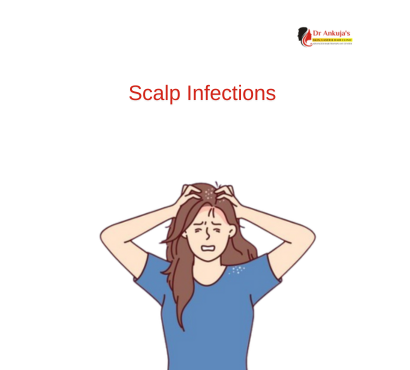
An itchy, flaky, or painful scalp is more than just a “dandruff problem” for many people. Scalp infections—caused by fungi, bacteria, or viruses—can lead to redness, swelling, pus‑filled bumps, and even patchy hair loss if not treated properly. In humid Indian climates, crowded living conditions, and shared combs or helmets, scalp infections spread easily among children and adults alike. This guide walks you through the most common scalp infections, how to recognise them, what treatments work best, and when to see a dermatologist or paediatrician. What Is a Scalp Infection? A scalp infection occurs when microorganisms grow excessively on the skin of the scalp and around hair follicles, causing inflammation. Typical features include: Itching and irritation. Red, scaly, or crusted patches. Painful bumps or pustules. Sometimes hair breakage or hair loss in the affected area. Different germs cause different patterns and need specific treatments. Major Types of Scalp Infections 1) Fungal Infections (Tinea Capitis – Scalp Ringworm) Caused by dermatophyte fungi that thrive in warm, moist conditions. Typically affects children but can spread to adults. Highly contagious: spreads via sharing combs, towels, pillows, caps, or close contact. Typical signs: Round or irregular scaly patches on scalp with broken hairs. Itching and mild redness. Sometimes black dots where hair has broken at scalp level. In severe cases: boggy, tender swelling (kerion) with pus and crusts. 2) Bacterial Infections (Folliculitis, Impetigo) Common bacteria include Staphylococcus and Streptococcus species. Often occur when small cuts, insect bites, or scratching allow bacteria into hair follicles. Features: Folliculitis Red, itchy or tender bumps at hair follicles, sometimes with pus (“scalp acne”). Impetigo Honey‑coloured crusted sores, often around hairline or behind ears. Highly contagious, especially among children. 3) Malassezia‑Related Scalp Conditions (Seborrhoeic Dermatitis) Caused by overgrowth of normal scalp yeast (Malassezia) in oily areas. Typically presents as: Persistent dandruff. Red, greasy scales and itching on scalp, eyebrows, and sides of nose. 4) Viral Scalp Infections (Herpes Zoster/Shingles, Herpes Simplex) Herpes zoster (shingles) can affect the scalp along a nerve path. Symptoms include: Painful, burning sensation in a strip on one side of the scalp. Clusters of fluid‑filled blisters that crust over. Temporary hair loss in that band. Common Symptoms to Watch For While each infection has specific signs, overlapping symptoms include Persistent scalp itching or burning. Flaky skin or severe dandruff unresponsive to regular shampoo. Red, scaly, or moist patches. Painful lumps, boils, or blisters with or without pus. Foul odour in severe or neglected infections. Hair breakage or patchy hair loss where infection is active. Any combination of these symptoms lasting more than 1–2 weeks or spreading despite basic care needs medical attention. How Are Scalp Infections Diagnosed? A dermatologist or trained clinician typically can diagnose by: Clinical examination: looking at lesion pattern, distribution, and hair changes. Dermoscopy (trichoscopy): magnified view of scalp and hair shafts. Scalp scrapings or hair samples: sent for microscopy and fungal culture. Swabs: for bacterial culture in pus‑filled lesions. In complicated or recurrent infections, tests may be done to check for diabetes or immune problems. Treatment Options: What Really Works Treatment depends on the cause—self‑treatment with random over‑the‑counter creams can make things worse. 1) Treating Fungal Scalp Infections (Tinea Capitis) Oral antifungal medications are usually essential; shampoos alone are not enough for deep infections. Common options include specific systemic antifungals prescribed by a doctor. Medicated shampoos (with ketoconazole, selenium sulfide, or zinc pyrithione) help reduce surface fungal load and contagiousness. Treatment often continues for several weeks even after visible improvement to prevent relapse. 2) Treating Bacterial Scalp Infections Topical antibiotics: creams, gels, or ointments used for mild limited infections like simple folliculitis or small impetigo patches. Oral antibiotics: needed if there are multiple lesions, spreading infection, fever, or deeper boils. Gentle cleansing, avoiding squeezing or popping boils, and improving scalp hygiene are vital. 3) Managing Seborrhoeic Dermatitis (Dandruff‑Related) Medicated anti‑dandruff shampoos 2–3 times a week containing: Ketoconazole Selenium sulfide Zinc pyrithione Coal tar or salicylic acid in some cases In flares, doctors may add mild topical steroid lotions or non‑steroidal anti‑inflammatory creams for itch and redness. 4) Treating Viral Scalp Infections Antiviral medications for herpes zoster or simplex shorten course and reduce pain when started early Pain control with analgesics and sometimes nerve‑pain medications. Maintaining hygiene and avoiding scratching to prevent bacterial super‑infection. Home Care, Hygiene, and Prevention Regardless of the infection type, some general rules help: Wash hair and scalp regularly with appropriate shampoo (frequency adjusted to hair type and climate). Avoid sharing combs, towels, caps, helmets, and pillow covers. Disinfect or replace combs and hair accessories after infections. Keep scalp dry—dry thoroughly after baths and avoid wearing tight caps on a sweaty scalp for long periods. Treat dandruff or minor itching early before scratching and secondary infection start. Children in schools and hostels should be encouraged not to share personal hair‑care items. In recurrent infections, screening and treating close contacts may be necessary. When to See a Doctor or Dermatologist Seek medical care if you notice: Painful, pus‑filled bumps or boils on the scalp. Rapidly spreading red patches or honey‑coloured crusts (impetigo). Scaly patches with hair loss areas in children. Severe itching with thick scales not helped by anti‑dandruff shampoos. Fever, swollen lymph nodes in neck, or general unwell feeling with scalp lesions. Early diagnosis and specific treatment prevent scarring and permanent hair loss. FAQs 1) How do I know if my child’s “dandruff” is actually a scalp infection? Simple dandruff usually causes fine white flakes without much redness, pain, or hair loss. If your child has round or patchy areas of redness, thick scale, broken hairs, pus‑filled spots, or very intense itching, it is more likely a fungal or bacterial infection than just dandruff. In such cases, a paediatrician or dermatologist should examine the scalp. 2) Can scalp infections cause permanent bald patches? Yes, if deep fungal or bacterial infections are left untreated or if there is a severe inflammatory reaction (such as a kerion in tinea capitis), hair follicles can be destroyed and scarring
Alopecia Areata: Symptoms, Causes, and Treatment Approaches
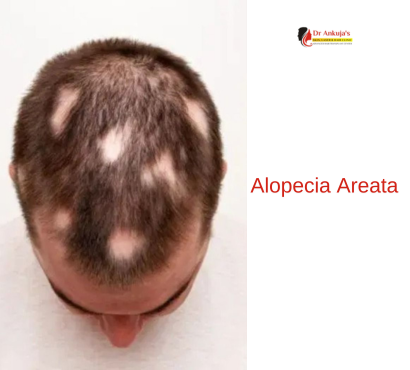
Alopecia areata is an autoimmune condition that results in sudden, patchy hair loss and affects people of all ages, including children and adults in India. Though it is commonly known for causing bald spots on the scalp, alopecia areata has a complex nature involving the immune system attacking healthy hair follicles. The unpredictability of hair loss and regrowth, emotional distress, and the absence of a definitive cure make understanding this condition vital for patients and caregivers. This detailed blog explores the symptoms, underlying causes, risk factors, and the most effective treatment options available today for alopecia areata. What Is Alopecia Areata? Autoimmune nature: The body’s immune system mistakenly targets hair follicles, causing them to shrink and stop producing hair. Patterns of hair loss: Typically presents as smooth, round or oval bald patches on the scalp, but may involve other hair-bearing areas. Non-scarring hair loss: Unlike other types of hair loss, the scalp usually remains healthy without scarring or permanent damage to follicles. Variable course: Some people experience single episodes with full regrowth, others have recurrent or chronic hair loss. Symptoms of Alopecia Areata Sudden onset of round or oval bald patches on the scalp or body Hair loss can progress to total scalp hair loss (alopecia totalis) or entire body hair loss (alopecia universalis) in severe cases Nails may show pitting, brittleness, or ridging in some patients Itching, tingling, or burning sensations sometimes precede hair loss Psychosocial impact: anxiety, low self-esteem, social withdrawal Causes and Risk Factors Genetic Predisposition: Family history increases likelihood; specific genes linked to immune system function implicated. Environmental Triggers: Viral infections, physical or emotional stress, vaccinations, and certain medications may initiate an episode. Associated Autoimmune Diseases: Higher incidence in patients with thyroid disorders, vitiligo, pernicious anemia, and others. Vitamin and Mineral Deficiencies: Low vitamin D, zinc, biotin, and iron levels have been observed in some patients, potentially exacerbating the condition. Diagnosis Clinical examination: Characteristic patchy hair loss without scarring Pull test: Gently tugging hair to check how many come out Dermatoscopy: Examination of scalp and hair follicles for signs typical of alopecia areata Blood tests: To rule out associated thyroid or autoimmune diseases and check vitamin deficiencies Biopsy: Rarely needed, but confirms diagnosis in unclear cases Treatment Approaches Note: No permanent cure exists, but treatments aim to suppress immune activity, promote regrowth, and manage psychological impact. 1. Corticosteroids Topical: Creams or ointments reduce inflammation for small patches Intralesional injections: Steroids injected directly into bald patches promote faster regrowth Oral corticosteroids: Reserved for extensive or rapidly progressing cases; short-term use is advised due to side effects 2. Topical Immunotherapy Chemicals like diphencyprone or squaric acid dibutylester are applied to provoke a mild allergic reaction, tricking the immune system to shift focus away from hair follicles. It may stimulate regrowth over months with repeated treatment. 3. Minoxidil (Rogaine) Topical application often combined with other treatments to support and prolong hair regrowth. 4. JAK Inhibitors (New and Emerging) Oral Janus kinase inhibitors reduce immune system overactivity and show promise for moderate to severe alopecia areata. Long-term safety data is evolving. 5. Light and Laser Therapy Phototherapy using ultraviolet light or low-level laser therapy stimulates scalp circulation and follicle activity. 6. Natural and Alternative Therapies Acupuncture, essential oils (coconut, castor), onion juice, probiotics, and vitamins (biotin, zinc) are popular but lack strong clinical proof. May be used as adjuncts. Living with Alopecia Areata: Support and Psychosocial Care Hair loss can profoundly affect mental health; counseling and support groups help manage anxiety and boost self-confidence. Cosmetic options include wigs, scarves, and makeup techniques. Educating family, schools, and workplaces creates supportive environments. Prognosis Spontaneous regrowth occurs in 50% of cases within a year but relapses frequently happen. Long-standing or total alopecia may require ongoing treatment. Early treatment linked to better outcomes. FAQ Can alopecia areata affect children? Yes, it can appear at any age, often appearing suddenly with patchy hair loss requiring pediatric dermatology evaluation. Is alopecia areata contagious? No, it is an autoimmune condition and not transmissible person-to-person. Does stress cause alopecia areata? Stress may trigger or worsen the condition but isn’t the sole cause; genetics and immune factors play key roles.