Androgenetic Alopecia in Teens: Emerging Patterns
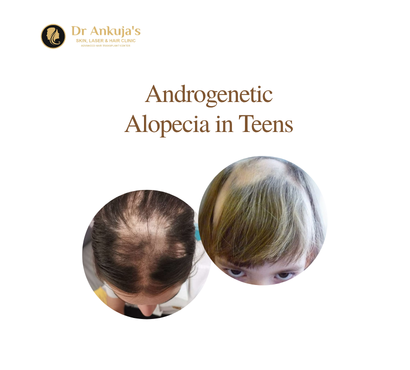
Hair loss is often associated with aging, but in recent years, androgenetic alopecia (AGA) has been increasingly observed in teenagers. This condition, commonly known as male or female pattern baldness, is driven by genetics and hormonal sensitivity. For teens, early onset hair thinning can be emotionally distressing, affecting confidence, social interactions, and mental health. This blog explores the emerging patterns of androgenetic alopecia in teenagers, its causes, symptoms, and management strategies, while highlighting when to seek medical guidance. Why Androgenetic Alopecia Appears in Teens AGA occurs when hair follicles become sensitive to dihydrotestosterone (DHT), a hormone derived from testosterone. Over time, follicles shrink, producing thinner and shorter hairs until growth stops. While this process usually begins in adulthood, genetic predisposition and lifestyle factors can trigger early onset in teens. Symptoms of Androgenetic Alopecia in Teens Gradual thinning of hair on the crown or temples Widening of the hair part in girls Receding hairline in boys Shorter, finer hair strands replacing thicker ones Emotional distress due to visible changes 👉 If these symptoms persist, consult a Dermatologist in Pune. Clinics like the Hair Transplant Clinic in Pune provide diagnostic tools such as trichoscopy to assess follicle health and recommend treatment. Causes of Early-Onset AGA Genetics: Family history of pattern baldness. Hormonal Changes: Puberty increases androgen levels. Stress: Academic pressure and lifestyle stress can accelerate hair loss. Nutritional Deficiencies: Lack of iron, protein, and vitamins. Medical Conditions: PCOS in girls, thyroid imbalance, or metabolic disorders. Emotional Impact on Teens Hair loss during teenage years can affect self-esteem and social confidence. Many teens report avoiding social gatherings, changing hairstyles to hide thinning, or experiencing anxiety. Emotional support from family and counseling can help manage this impact. Guidance & Management Tips Lifestyle & Nutrition Eat a balanced diet rich in protein, iron, and vitamins. Avoid junk food and sugary drinks that worsen hormonal imbalance. Practice stress management through yoga, meditation, or sports. Hair Care Practices Use mild shampoos and avoid harsh chemical treatments. Limit heat styling and tight hairstyles. Massage scalp gently to improve circulation. Medical Options Topical Treatments: Minoxidil may be prescribed for teens under medical supervision. PRP Therapy: Platelet-rich plasma injections to stimulate follicles. Advanced Hair Transplant Options: Techniques like Sapphire FUE Hair Transplant or Direct Hair Implantation (DHI) may be considered in severe cases after adulthood. Awareness Section: When to Seek Help If hair thinning is noticeable before age 20, it should not be ignored. Early consultation with a Hair Transplant Surgeon ensures timely diagnosis and prevents progression. Androgenetic alopecia in teens is an emerging concern in India. Recognizing early signs like thinning crown, receding hairline, or widening parting can help in timely intervention. With proper nutrition, lifestyle changes, medical treatments, and emotional support, teens can manage hair loss effectively and preserve confidence. FAQs Q1. Can teenage hair loss be reversed? Early intervention can slow progression, but complete reversal is rare. Q2. Is hair transplant recommended for teenagers? Transplants are usually considered after adulthood. Medical therapy is preferred for teens. Q3. Does stress worsen teenage hair loss? Yes, chronic stress can accelerate follicle miniaturization and hair shedding.
Scalp Folliculitis: Causes and Relief for Itchy Bumps

An itchy scalp with small, painful bumps can be more than just dandruff or irritation. In many cases, it’s a condition called scalp folliculitis, which occurs when hair follicles become inflamed due to infection, irritation, or blockage. While mild cases may resolve on their own, persistent folliculitis can lead to discomfort, scarring, and even hair loss if left untreated. This blog explains the causes, symptoms, and relief strategies for scalp folliculitis, helping patients understand when to seek medical care and how to manage the condition effectively. What is Scalp Folliculitis? Scalp folliculitis is an inflammatory condition where hair follicles become infected or irritated, leading to red, itchy, or pus-filled bumps. It can affect anyone, but is more common in individuals with oily scalps, poor hygiene, or weakened immunity. Causes of Scalp Folliculitis Bacterial Infection: Staphylococcus aureus is the most common culprit. Fungal Infection: Yeast or fungi can trigger follicle inflammation. Blocked Follicles: Excess oil, sweat, or product buildup. Irritation: Tight helmets, hats, or harsh hair products. Underlying Conditions: Diabetes, dermatitis, or weakened immunity. Symptoms of Scalp Folliculitis Small red or white bumps on the scalp Itching, burning, or tenderness Pus-filled blisters that may crust over Hair breakage or localized hair loss Pain when combing or touching the scalp If these symptoms persist, consult a Dermatologist in Pune. Clinics such as the Hair Transplant Clinic in Pune provide diagnostic support and advanced treatments for scalp folliculitis. Risk Factors Excessive sweating Poor scalp hygiene Frequent use of oily hair products Wearing tight headgear for long hours Hot and humid climates (common in India) Relief & Management Tips Home Care Wash scalp regularly with mild, medicated shampoos. Avoid scratching or picking bumps to prevent infection spread. Use warm compresses to soothe irritation. Keep scalp dry and clean after workouts. Medical Treatments Topical Antibiotics: Creams or lotions to control bacterial infection. Antifungal Shampoos: For yeast-related folliculitis. Oral Medications: Antibiotics or antifungals for severe cases. PRP Therapy: Helps restore follicle health in cases with hair loss. Hair Transplant Options: Advanced techniques like Sapphire FUE Hair Transplant or Direct Hair Implantation (DHI) may be considered if folliculitis leads to permanent hair loss. Prevention Tips Maintain scalp hygiene with gentle shampoos. Avoid heavy oils and sticky hair products. Keep helmets and hats clean. Manage sweat by washing hair after workouts. Strengthen immunity with balanced nutrition. Scalp folliculitis is a common but often overlooked condition. While mild cases may resolve with hygiene measures, persistent or severe folliculitis requires medical attention. Recognizing early symptoms and adopting preventive care can protect scalp health and prevent hair loss. With proper treatment and lifestyle adjustments, relief from itchy bumps is possible. FAQs Q1. Can scalp folliculitis cause permanent hair loss? Yes, if left untreated, chronic folliculitis can damage follicles and lead to scarring alopecia. Q2. Is scalp folliculitis contagious? Mild cases are not contagious, but bacterial infections can spread if hygiene is poor. Q3. Should I oil my hair if I have folliculitis? Avoid heavy oils as they may worsen blockage. Use light, non-comedogenic products if needed.
Traction Alopecia from Tight Hairstyles in Indian Women

In India, hairstyles like tight braids, buns, and ponytails are not just fashion choices — they are cultural traditions, practical solutions for hot weather, and part of daily routines. However, these styles can sometimes lead to a condition called traction alopecia, a form of hair loss caused by repeated pulling on the hair follicles. Unlike sudden shedding, traction alopecia develops gradually, making it harder to notice until thinning becomes visible. This blog explains the causes, symptoms, and prevention strategies for traction alopecia, especially in Indian women who often rely on tight hairstyles. Why Tight Hairstyles Cause Hair Loss Hair follicles are delicate structures. Constant pulling from tight hairstyles damages them over time, leading to inflammation, tenderness, and eventually permanent hair loss. Risk factors include: Daily tight braids or buns Heavy hair extensions or accessories Frequent use of tight rubber bands or clips Cultural or occupational practices requiring pulled-back hair Symptoms of Traction Alopecia Gradual thinning along the hairline and temples Broken or short hairs near the forehead Redness, itching, or tenderness in affected areas Small bald patches where hair is constantly pulled Scalp bumps or folliculitis in severe cases 👉 If these symptoms persist, consult a Dermatologist in Pune. Clinics like the Hair Transplant Clinic in Pune provide diagnostic support and advanced treatments for traction alopecia. Causes & Risk Factors Cultural Hairstyles: Tight braids and buns worn daily. Hair Extensions: Heavy extensions strain follicles. Occupational Needs: Nurses, athletes, and dancers often tie hair tightly. Chemical Treatments: Relaxers or straightening combined with tight styles worsen damage. Prevention & Guidance Lifestyle & Hair Care Opt for looser hairstyles whenever possible. Alternate styles to reduce constant strain on the same follicles. Use soft fabric scrunchies instead of tight rubber bands. Avoid heavy hair accessories that pull on roots. Medical & Professional Care Topical Treatments: Anti-inflammatory creams for scalp tenderness. PRP Therapy: Platelet-rich plasma injections to stimulate regrowth. Hair Transplant Options: Advanced techniques like Sapphire FUE Hair Transplant or Direct Hair Implantation (DHI) can restore hairline density in severe cases. Awareness Section: When to Seek Help If you notice thinning along the hairline, persistent scalp tenderness, or broken hairs near the temples, it’s time to consult a specialist. Early intervention prevents permanent follicle damage. Traction alopecia is preventable. By recognizing early signs and adopting gentler hair practices, Indian women can protect their hair health while maintaining cultural and personal styling preferences. With medical guidance and advanced treatments, restoring confidence and natural hair density is possible. FAQs Q1. Can traction alopecia be reversed naturally? Yes, if detected early and hairstyles are modified, regrowth is possible. Q2. Is hair transplant necessary for traction alopecia? Only in advanced cases where follicles are permanently damaged. Consult a Hair Transplant Surgeon for evaluation. Q3. Are hair extensions safe for women with thinning hair? Heavy extensions worsen traction alopecia. Lightweight, temporary options are safer.
Alopecia Areata Causes, Symptoms & Home Management Tips

Hair loss can be distressing, but when it occurs suddenly in round patches, it often points to alopecia areata. This autoimmune condition affects millions worldwide, including many in India, and can impact not just the scalp but also eyebrows, beard, and even body hair. Unlike regular hair fall, alopecia areata is unpredictable and emotionally challenging, making awareness and early management crucial. This blog explains the causes, symptoms, and home management tips for alopecia areata, helping patients and families understand the condition better and take timely action. What is Alopecia Areata? Alopecia areata is an autoimmune disorder where the body’s immune system mistakenly attacks healthy hair follicles, causing hair to fall out in small, round patches. It can affect anyone — men, women, and even children. The condition is non-contagious but often linked to genetic predisposition and environmental triggers. Causes of Alopecia Areata Autoimmune Reaction: The immune system targets hair follicles. Genetics: Family history of autoimmune diseases increases risk. Stress: Emotional or physical stress can trigger flare-ups. Other Autoimmune Conditions: Thyroid disorders, vitiligo, or diabetes may coexist. Symptoms of Alopecia Areata Sudden patchy hair loss on scalp, beard, or eyebrows Smooth, round bald spots without redness or scaling Tingling or mild burning sensation before hair falls Nail changes such as ridges or pitting (common in severe cases) 👉 If these symptoms persist, consult a Dermatologist in Pune. Clinics like the Hair Transplant Clinic in Pune provide diagnostic support and treatment options tailored to individual needs. Types of Alopecia Areata Patchy Alopecia Areata: Small bald spots on scalp or beard. Alopecia Totalis: Complete loss of scalp hair. Alopecia Universalis: Loss of hair across the entire body. Diffuse Alopecia Areata: Sudden thinning across scalp without distinct patches. Home Management Tips Nutrition & Lifestyle Eat a balanced diet rich in protein, iron, and vitamins. Include foods like spinach, eggs, nuts, and fish. Practice stress management through yoga, meditation, and breathing exercises. Ensure adequate sleep and hydration. Gentle Hair Care Use mild, chemical-free shampoos. Avoid tight hairstyles that strain follicles. Massage scalp gently with natural oils like coconut or almond oil. Medical Guidance Topical Treatments: Corticosteroid creams or minoxidil (prescribed by doctors). PRP Therapy: Platelet-rich plasma injections to stimulate regrowth. Advanced Options: Hair transplant techniques such as Sapphire FUE or Direct Hair Implantation (DHI) for resistant cases. Emotional Impact & Support Alopecia areata often affects confidence and mental health. Support groups, counseling, and open conversations with family can help patients cope better. Alopecia areata is unpredictable but manageable. Recognizing early symptoms like patchy hair loss and nail changes can help in timely diagnosis. With proper nutrition, lifestyle adjustments, medical treatments, and emotional support, patients can regain confidence and manage the condition effectively. FAQs Q1. Is alopecia areata permanent? Not always. Hair often regrows, but relapses are common. Q2. Can stress alone cause alopecia areata? Stress is a trigger but not the sole cause. It usually occurs due to autoimmune imbalance. Q3. Is hair transplant effective for alopecia areata? Transplants are considered in resistant cases, but medical therapy is usually the first line of treatment. Consult a Hair Transplant Surgeon for guidance.
Nail Changes with Hair Loss: Warning Signs of Deficiency

Hair loss is often the first sign people notice when their body is under stress, but nails can also reveal important clues about overall health. Nail changes combined with hair loss are not just cosmetic concerns — they can indicate nutritional deficiencies, hormonal imbalances, or systemic medical conditions. In India, where dietary patterns and lifestyle factors vary widely, recognizing these subtle signs can help in early diagnosis and prevention. This blog explores the relationship between nail changes and hair loss, the deficiencies behind them, and practical steps for management. Why Nails and Hair Are Connected Both nails and hair are made of keratin, a protein that requires adequate nutrition and healthy follicle function. When the body lacks essential nutrients or faces hormonal imbalance, both hair and nails show signs of weakness. Common links include: Iron deficiency → brittle nails and hair shedding Biotin deficiency → thinning hair and weak nails Vitamin D deficiency → slow regrowth of both hair and nails Thyroid disorders → brittle nails and diffuse hair loss Common Nail Changes Associated with Hair Loss 1. Brittle Nails Nails that break easily often accompany hair thinning due to iron or protein deficiency. 2. Spoon-Shaped Nails (Koilonychia) A classic sign of iron deficiency anemia, often seen with diffuse hair loss. 3. White Spots or Lines May indicate zinc deficiency, which also contributes to hair shedding. 4. Slow Nail Growth If nails grow unusually slow, it often mirrors a shortened hair growth cycle. 5. Nail Ridges Vertical ridges can be linked to aging, but when combined with hair loss, they may point to nutritional imbalance. Causes Behind Nail Changes with Hair Loss Nutritional Deficiencies: Iron, zinc, biotin, vitamin D, protein. Hormonal Disorders: Thyroid imbalance, PCOS. Autoimmune Conditions: Alopecia areata, lichen planopilaris. Stress: Chronic stress impacts both hair and nail health. Medications: Certain drugs can weaken keratin structures. Warning Signs You Shouldn’t Ignore Sudden brittle nails with hair shedding Spoon-shaped nails with fatigue (possible anemia) White spots with thinning hair Nail ridges with diffuse hair loss If these signs persist, consult a Dermatologist in Pune. Clinics like the Hair Transplant Clinic in Pune provide diagnostic tests to identify deficiencies and recommend treatment. Guidance & Management Tips Lifestyle & Nutrition Eat iron-rich foods: spinach, jaggery, lentils. Include protein sources: eggs, pulses, dairy. Add zinc-rich foods: nuts, seeds, whole grains. Ensure vitamin D intake through sunlight exposure. Medical Treatments Supplements: Iron, biotin, zinc, or vitamin D as prescribed. Topical Treatments: Strengthening nail serums and hair regrowth solutions. Advanced Therapies: PRP therapy or hair transplant options like Sapphire FUE or Direct Hair Implantation (DHI) for severe hair loss. Nail changes are often overlooked, but when combined with hair loss, they serve as important warning signs of deficiency or systemic illness. Recognizing these early can help prevent progression and restore confidence. With proper nutrition, medical guidance, and advanced treatments, both hair and nail health can be improved. FAQs Q1. Can brittle nails and hair loss be reversed with diet? Yes, if caused by nutritional deficiency, improvement is possible with a balanced diet and supplements. Q2. Should I take biotin supplements for nail and hair health? Biotin can help, but consult a doctor before starting supplements. Q3. Can thyroid disorders cause nail and hair changes? Yes, thyroid imbalance often leads to brittle nails and diffuse hair loss.
Direct Hair Implantation vs Traditional Methods
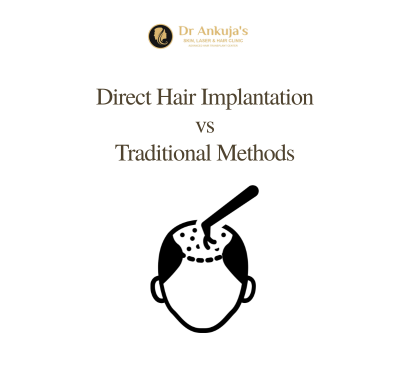
Hair transplant techniques have advanced significantly in recent years. Patients today are no longer limited to traditional methods like FUT (Follicular Unit Transplantation) or conventional FUE (Follicular Unit Extraction). One of the most talked-about innovations is Direct Hair Implantation (DHI), which promises faster recovery, higher precision, and natural-looking results. For Indian patients exploring hair restoration, understanding the differences between DHI and traditional methods is crucial. This blog provides a clear comparison, highlighting the advantages, limitations, and suitability of each technique. What is Direct Hair Implantation (DHI)? DHI is a modern hair transplant technique where extracted follicles are implanted directly into the scalp using a specialized implanter pen. Unlike traditional methods, DHI does not require creating separate incisions before implantation. This reduces trauma to the scalp and allows surgeons to control the angle, depth, and direction of each follicle. Traditional Methods: FUT and FUE FUT (Strip Method): A strip of scalp is removed from the donor area, follicles are extracted, and then implanted into recipient sites. This method often leaves a linear scar. Conventional FUE: Follicles are extracted individually and implanted into pre-made incisions. While less invasive than FUT, it still requires two steps — incision creation and follicle placement. Key Differences Between DHI and Traditional Methods Feature Direct Hair Implantation (DHI) Traditional FUT/FUE Incision Requirement No separate incisions FUT/FUE require incisions Precision High (angle, depth, direction controlled) Moderate Healing Time Faster Longer Scarring Minimal FUT leaves linear scar, FUE leaves micro-scars Density Higher follicle density achievable Moderate density Comfort Less pain and swelling More discomfort 👉 Patients considering advanced options should consult a Hair Transplant Surgeon. Clinics like the Hair Transplant Clinic in Pune offer both DHI and Sapphire FUE, helping patients choose based on their hair type, lifestyle, and expectations. Advantages of DHI Natural-looking results due to precise follicle placement Faster recovery with minimal downtime Reduced risk of infection and scarring Suitable for both men and women Higher density achievable in smaller areas Limitations of DHI More expensive than traditional methods Requires highly skilled surgeons Procedure may take longer due to precision implantation Who Should Consider DHI? Patients with early-stage hair loss seeking natural density Individuals concerned about scarring Women with thinning hairlines Men with receding hairlines or crown thinning Recovery & Aftercare Mild redness and swelling subside within a few days. Patients can resume normal activities faster than with FUT. Avoid strenuous exercise for 1–2 weeks. Follow surgeon’s instructions on washing and medication. Direct Hair Implantation represents a leap forward in hair transplant technology. Compared to traditional FUT and FUE, DHI offers greater precision, faster recovery, and natural results. However, the choice of technique depends on individual needs, donor hair availability, and budget. Consulting an experienced surgeon ensures the best outcome. FAQs Q1. Is DHI better than FUE? DHI offers more precision and faster recovery, but FUE may be more cost-effective for larger areas. Q2. Does DHI leave scars? No, DHI leaves minimal micro-scars that are barely visible. Q3. How long does recovery take after DHI? Most patients recover within 7–10 days, with natural results visible in months.
Excessive Eyebrow Thinning: When It’s More Than Normal Aging

Eyebrows frame the face and play a vital role in expression and appearance. While mild thinning is common with age, excessive eyebrow thinning can be a sign of underlying health issues. Many people dismiss it as normal aging, but when thinning becomes noticeable or uneven, it may indicate conditions ranging from nutritional deficiencies to thyroid disorders or autoimmune diseases. This blog explores the causes, warning signs, and management strategies for eyebrow thinning, helping you understand when it’s time to seek medical advice. Why Eyebrow Thinning Happens Eyebrow hair has a shorter growth cycle compared to scalp hair. Natural aging slows regrowth, but when thinning is rapid or patchy, it often points to: Hormonal changes Nutritional deficiencies Skin conditions Autoimmune disorders Recognizing these signs early can prevent further loss and guide you toward effective treatment. Common Causes of Excessive Eyebrow Thinning 1. Thyroid Disorders Both hypothyroidism and hyperthyroidism can cause eyebrow thinning, especially on the outer edges. 2. Alopecia Areata An autoimmune condition where the body attacks hair follicles, leading to patchy eyebrow loss. 3. Nutritional Deficiencies Lack of iron, biotin, vitamin D, and zinc weakens follicles, slowing regrowth. 4. Skin Conditions Eczema, psoriasis, and seborrheic dermatitis can affect eyebrow hair density. 5. Over-Plucking or Cosmetic Damage Repeated plucking or use of harsh cosmetics can permanently damage follicles. Warning Signs You Shouldn’t Ignore Sudden thinning of outer edges of eyebrows Patchy bald spots in one or both brows Redness, itching, or scaling around eyebrows Hair loss accompanied by fatigue or weight changes (possible thyroid issue) 👉 If these signs persist, consult a Dermatologist in Pune. Clinics like the Hair Transplant Clinic in Pune provide advanced diagnostic tools to identify the root cause and recommend treatment. Guidance & Management Tips Lifestyle & Home Care Eat a balanced diet rich in protein, iron, and vitamins. Avoid over-plucking or harsh cosmetic products. Use gentle oils like castor oil to condition brows. Manage stress through yoga and meditation. Medical Treatments Topical Medications: Minoxidil or corticosteroid creams (prescribed by doctors). PRP Therapy: Platelet-rich plasma injections to stimulate follicle regrowth. Hair Transplant Options: Techniques like Direct Hair Implantation (DHI) or Sapphire FUE Hair Transplant can restore eyebrow density in severe cases. Excessive eyebrow thinning is not always a sign of aging. It can indicate thyroid disorders, autoimmune conditions, or nutritional deficiencies. Recognizing early warning signs and consulting a specialist ensures timely treatment and better outcomes. With lifestyle changes, medical therapies, and advanced transplant techniques, restoring natural eyebrow density is possible. FAQs Q1. Can eyebrow thinning be reversed naturally? Mild thinning due to aging can be improved with nutrition and care, but medical causes require treatment. Q2. Is eyebrow transplant safe? Yes, advanced techniques like Direct Hair Implantation and Sapphire FUE are safe and effective when performed by an experienced Hair Transplant Surgeon. Q3. Should I use eyebrow serums for thinning? Serums may help condition hair but won’t treat medical causes. Always consult a doctor for persistent thinning.
Scalp Tenderness and Hair Fall: Red Flags for Action

Hair fall is one of the most common concerns among Indian men and women. While occasional shedding is normal, scalp tenderness combined with hair fall is a red flag that should never be ignored. Tenderness, pain, or sensitivity of the scalp often indicates an underlying condition — ranging from infections and inflammation to autoimmune disorders. This blog will help you understand the warning signs, causes, and management strategies for scalp tenderness with hair fall, and guide you on when to seek professional help. Why Scalp Tenderness Matters Tenderness is not just discomfort — it’s a signal that your scalp is under stress. When combined with hair fall, it may point to: Inflammation of hair follicles Infections like folliculitis or ringworm Autoimmune conditions such as alopecia areata or lichen planopilaris Traction alopecia from tight hairstyles Ignoring these signs can lead to permanent follicle damage and irreversible hair loss. Common Causes of Scalp Tenderness with Hair Fall 1. Folliculitis Inflammation of hair follicles causes painful, itchy bumps. Left untreated, it can lead to scarring and hair loss. 2. Seborrheic Dermatitis This condition causes dandruff, redness, and sensitivity. Chronic inflammation weakens follicles, leading to shedding. 3. Traction Alopecia Indian women often tie tight braids, buns, or ponytails. Constant pulling damages follicles, causing tenderness and thinning. 4. Lichen Planopilaris A rare autoimmune condition that causes scalp pain, redness, and patchy hair loss. Early detection is crucial to prevent scarring alopecia. 5. Stress & Lifestyle Factors Chronic stress, poor diet, and lack of sleep can trigger scalp sensitivity and accelerate hair fall. Warning Signs You Shouldn’t Ignore Persistent scalp pain or burning sensation Redness, swelling, or visible bumps Sudden increase in hair shedding Patchy bald spots with tenderness Scalp itching that worsens with scratching Guidance & Management Tips Home Care Use mild shampoos free from harsh chemicals. Avoid tight hairstyles that strain follicles. Massage scalp gently with coconut or almond oil to improve circulation. Maintain a balanced diet rich in protein, iron, and vitamins. Medical Treatments Topical Medications: Anti-inflammatory lotions or medicated shampoos. PRP Therapy: Platelet-rich plasma injections to rejuvenate follicles. Hair Transplant Options: Advanced techniques like Sapphire FUE Hair Transplant or Direct Hair Implantation (DHI) for severe cases. 👉 If tenderness persists or hair fall worsens, consult a Dermatologist in Pune. Clinics such as the Hair Transplant Clinic in Pune provide advanced diagnostic tools and treatment options tailored to individual needs. Scalp tenderness with hair fall is a serious warning sign. Whether caused by infections, autoimmune conditions, or lifestyle factors, timely action can save your hair and restore confidence. With proper medical guidance, lifestyle changes, and advanced treatments, you can manage the condition effectively. FAQs Q1. Can scalp tenderness cause permanent hair loss? Yes, if left untreated, conditions like lichen planopilaris or traction alopecia can cause irreversible damage. Q2. Should I stop oiling my hair if my scalp is tender? Gentle oiling is fine, but avoid heavy massages that worsen sensitivity. Q3. Is PRP therapy effective for scalp tenderness with hair fall? Yes, PRP can reduce inflammation and stimulate follicle regrowth when recommended by a Hair Transplant Surgeon.
Patchy Beard Growth: Early Warning Signs You Shouldn’t Ignore

In India, a well-grown beard is often seen as a mark of masculinity, confidence, and style. But when beard growth turns patchy, it can cause frustration and self-consciousness. While some unevenness is normal during teenage years, persistent patchiness may signal underlying health issues such as alopecia areata, hormonal imbalance, or nutritional deficiencies. This blog will help you identify early warning signs of patchy beard growth, understand possible causes, and learn when to consult a Dermatologist in Pune or a trusted Hair Care Clinic for timely solutions. Understanding Beard Growth Beard growth depends on several factors: Genetics: Family history strongly influences beard density. Hormones: Testosterone and DHT stimulate facial hair follicles. Age: Beard thickness usually improves after age 20. Nutrition & Lifestyle: Deficiencies in iron, zinc, and protein can slow growth. 7 Early Warning Signs of Patchy Beard Growth 1. Persistent Bald Spots If certain areas remain hairless despite months of growth, it may indicate alopecia areata, an autoimmune condition where the body attacks hair follicles. 2. Thinning Along Jawline Gradual reduction in density along the jawline or chin can be an early sign of androgenetic alopecia, which affects both scalp and facial hair. 3. Uneven Texture Some patches produce thin, wispy hair while others grow coarse strands. This inconsistency often points to nutritional deficiencies or poor follicle health. 4. Sudden Hair Shedding Noticing beard hairs falling out in clumps while washing or combing is a red flag. It may be linked to stress, thyroid imbalance, or autoimmune disorders. 5. Itchy or Inflamed Skin Under Beard Conditions like folliculitis can affect facial hair, leading to itchy bumps and poor follicle function. 6. Slow Regrowth After Shaving If beard hair takes unusually long to regrow after trimming, it may indicate a shortened growth cycle due to hormonal imbalance. 7. Family History of Patchy Beards Genetics matter. If male relatives struggled with patchy beards, you may inherit similar follicle sensitivity. Causes of Patchy Beard Growth Hormonal Imbalance: Low testosterone or thyroid disorders. Autoimmune Conditions: Alopecia areata. Nutritional Deficiencies: Lack of iron, biotin, vitamin D, and zinc. Stress & Lifestyle: Chronic stress impacts follicle health. Skin Conditions: Folliculitis, fungal infections, or dermatitis. When to Consult a Doctor If patchiness persists beyond normal teenage years or worsens suddenly, consult a Hair Transplant Surgeon or a Dermatologist in Pune. Clinics like Hair Transplant Clinic in Pune offer diagnostic tests to identify hormonal or autoimmune causes. Guidance & Management Tips Lifestyle & Home Care Eat a protein-rich diet with eggs, pulses, and fish. Include iron and zinc sources like spinach, nuts, and seeds. Practice stress management through yoga and meditation. Avoid smoking and excessive alcohol, which reduce blood flow to follicles. Medical Options Topical Minoxidil: Sometimes prescribed for beard stimulation. PRP Therapy: Platelet-rich plasma injections can rejuvenate follicles. Hair Transplant Techniques: Advanced methods like Direct Hair Implantation (DHI) or Sapphire FUE Hair Transplant (covered in later blogs) can restore beard density. Patchy beard growth is not just a cosmetic issue—it can be an early sign of underlying health conditions. Recognizing subtle warning signs like bald spots, thinning jawline, or slow regrowth can help you take timely action. With proper medical guidance, lifestyle changes, and advanced treatments, achieving a fuller beard is possible. FAQs Q1. Is patchy beard growth permanent? Not always. Many cases improve with age, nutrition, or medical treatment. Q2. Can beard transplants help? Yes, techniques like Direct Hair Implantation or Sapphire FUE can restore density in stubborn patches. Q3. Should I use beard oils for patchy growth? Beard oils improve texture and hydration but won’t fix medical causes. Consult a Dermatologist in Pune for proper evaluation.
7 Subtle Signs of Female Pattern Hair Loss to Watch For
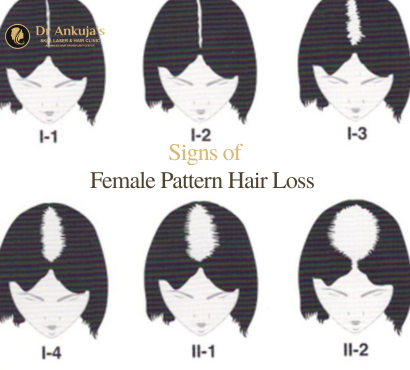
Hair is often described as a woman’s crown. In India, healthy, thick hair is not just a beauty symbol but also tied to confidence and cultural identity. Yet, many women silently struggle with female pattern hair loss (FPHL), medically known as androgenetic alopecia. Unlike sudden hair fall, FPHL progresses gradually, making it harder to notice until significant thinning has occurred. This blog will help you recognize 7 subtle signs of female pattern hair loss, understand why they matter, and learn when to consult a Dermatologist in Pune or a trusted Hair Care Clinic for timely intervention. 1. Widening Hair Part One of the earliest signs is a gradual widening of the central hair parting. Women often notice that their usual partition line looks broader, especially under bright light. This is due to miniaturization of hair follicles, where thick strands are replaced by finer ones. 👉 If you notice this change, consult a Hair Transplant Surgeon for evaluation before the thinning worsens. 2. Reduced Hair Volume on Crown Unlike men, women rarely develop complete bald patches. Instead, they experience diffuse thinning on the crown area. You may feel your ponytail is thinner or your scalp is more visible in photos. This subtle reduction in density is often overlooked until it becomes cosmetically obvious. 3. Increased Hair Shedding During Combing FPHL doesn’t always cause dramatic clumps of hair fall. Instead, women may notice consistent shedding of shorter, finer hairs while combing or washing. These miniaturized hairs are a hallmark of androgenetic alopecia. 4. Slower Hair Growth Cycle Healthy hair grows about 1–1.5 cm per month. In FPHL, the growth phase (anagen) shortens, and the resting phase (telogen) lengthens. This results in slower regrowth after trimming or haircuts. If your hair seems to “never grow back” as it used to, it may be an early warning sign. 5. Loss of Hair Shine and Texture Hair affected by FPHL often appears dull, lifeless, and brittle. This is because miniaturized follicles produce weaker strands that break easily. Women may feel their hair no longer responds to oils or conditioners the way it once did. 6. Family History of Hair Loss Genetics play a major role. If your mother, aunt, or grandmother experienced thinning hair, you may be predisposed. Recognizing this family pattern early can help you take preventive steps. 7. Emotional Impact and Confidence Drop Hair loss is not just physical—it affects self-esteem. Many women report avoiding social gatherings, tying hair tightly, or using scarves to hide thinning. Emotional distress is a subtle but important sign that professional help is needed. Causes of Female Pattern Hair Loss Genetics: Inherited sensitivity to androgens. Hormonal Changes: PCOS, menopause, thyroid imbalance. Nutritional Deficiencies: Iron, Vitamin D, Biotin. Stress: Chronic stress accelerates follicle miniaturization. Medical Conditions: Diabetes, autoimmune disorders. When to Consult a Doctor If you notice any of the above signs, don’t delay. Early diagnosis by a Dermatologist in Pune can prevent progression. Clinics like Hair Transplant Clinic in Pune offer advanced diagnostic tools such as trichoscopy to assess follicle health. Guidance & Lifestyle Tips Balanced Diet: Include protein, iron-rich foods, and omega-3 fatty acids. Gentle Hair Care: Avoid harsh shampoos and chemical treatments. Stress Management: Yoga, meditation, and regular exercise. Medical Treatments: Minoxidil, PRP therapy, or advanced options like Sapphire FUE Hair Transplant (covered in a later blog). Regular Check-ups: Visit a Hair Care Clinic for monitoring. Female pattern hair loss is subtle but progressive. Recognizing early signs like widening parting, reduced crown volume, and dull texture can make all the difference. With timely medical guidance, lifestyle changes, and advanced treatments, women can preserve their hair health and confidence. FAQs Q1. Is female pattern hair loss reversible? It can be managed and slowed with treatments like minoxidil, PRP, and lifestyle changes, but complete reversal is rare. Q2. Can PCOS cause female pattern hair loss? Yes, hormonal imbalance in PCOS often triggers androgen-related hair thinning. Q3. Should I consider a hair transplant for FPHL? If medical treatments don’t help and thinning is advanced, consulting a Hair Transplant Surgeon is a good option.