Home > Services > Hair Damage
Hair Damage
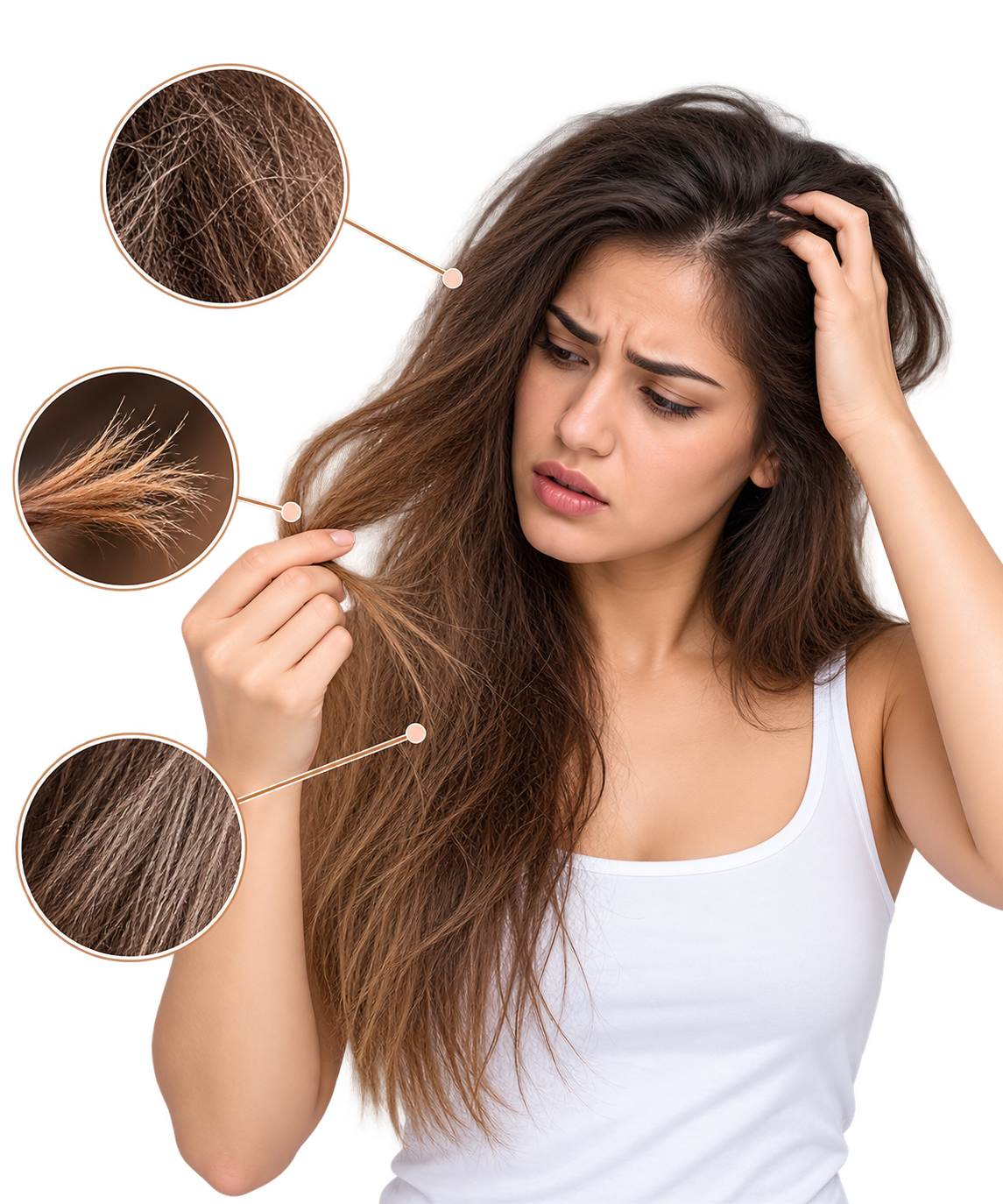
Hair thinning and baldness are becoming increasingly common among women. As a result of the negative impacts of scalp difficulties, thinning hair, female pattern baldness, and exposed areas, we’ve observed an increase in women of all ages seeking assistance. If you’ve seen areas of receding hair or small bare spots on your scalp, it’s time to seek expert assistance.
Hormonal changes might cause transitory male pattern baldness on occasion. Women who are pregnant, have stopped using anti-conception medicine, or are going through menopause may see transitory hair loss. Taking care of your hair, using all-natural hair products, and changing your hairdo can all help to slow down the progression of hormone-related hair loss.
Baldness is a result of etrain restorative problems. Male pattern baldness can be slowed or prevented by treating certain diseases. If you think you could be suffering from one of the illnesses listed below, talk to your doctor about starting a treatment plan so your hair can regrow. Thyroid problems can cause hair loss if your thyroid isn’t acting properly. If your thyroid isn’t working properly, you may notice greater hair loss than usual.
Hair thinning is a common concern characterized by a reduction in hair density and thickness, often resulting in a less voluminous appearance. While it can occur in both men and women, the underlying causes and patterns of hair thinning may vary between individuals. Contributing factors may include genetics, hormonal changes, aging, nutritional deficiencies, stress, and certain medical conditions.
Addressing hair thinning typically involves a multifaceted approach aimed at promoting hair health and preventing further loss. Topical treatments such as minoxidil may be recommended to stimulate hair follicles and prolong the hair growth phase. Additionally, oral medications like finasteride may help block the hormone dihydrotestosterone (DHT), which is associated with hair thinning in genetically susceptible individuals.
Nutritional supplements containing vitamins, minerals, and essential nutrients for hair growth, such as biotin, vitamin D, and iron, may also be beneficial in supporting overall hair health. Lifestyle modifications, including stress management techniques, a balanced diet, and gentle hair care practices, can help minimize hair thinning and promote optimal hair growth.
For individuals with more advanced hair thinning or seeking noticeable improvement, cosmetic procedures such as PRP therapy or mesotherapy may be considered. PRP therapy involves extracting a sample of the patient’s blood, processing it to isolate the platelet-rich plasma, and then injecting it into the scalp to stimulate hair follicles and encourage new hair growth. Mesotherapy involves injecting a blend of vitamins, minerals, and other nutrients directly into the scalp to nourish hair follicles and improve hair quality.
In cases where hair thinning is more pronounced and surgical intervention is desired, hair transplantation techniques like follicular unit extraction (FUE) or follicular unit transplantation (FUT) may be recommended. These procedures involve harvesting healthy hair follicles from donor areas and transplanting them into thinning or balding areas of the scalp, resulting in natural-looking hair restoration.
In conclusion, addressing hair thinning requires a tailored approach that considers the underlying causes and individual needs of each patient. By consulting with a qualified healthcare provider or hair restoration specialist, individuals experiencing hair thinning can explore various treatment options and develop a personalized plan to restore hair density and thickness, ultimately enhancing their confidence and well-being.
Trusted Care. Proven Expertise. Real Results. Lasting Confidence.?
Board-certified dermatologists specialize in diagnosing and treating the skin, hair, and nails. They have the expertise to tell you whether the change is harmless or requires medical testing.
Acne is a skin condition that occurs when your hair follicles become plugged with oil and dead skin cells. It causes whiteheads, blackheads or pimples. Acne is most common among teenagers, though it affects people of all ages. Effective acne treatments are available, but acne can be persistent.
Hair transplant, or restoration surgery, can make the most of the hair you have left. During a hair transplant procedure, a dermatologist or cosmetic surgeon removes hair from a part of the head that has hair and transplants it to a bald spot. Each patch of hair has one to several hairs (micrografts and minigrafts).
Best Hair Transplant Surgeon in Pune
Best Skin Treatment Doctor in Pune
Aesthetic Physician, Cosmetologist,
Dermatologist & Trichologist
+91 75586 45757 / +91 72496 71880
ankuja.mhaske@gmail.com
Copyright © 2026 Dr. Ankuja Mhaske