
Low‑Level Laser Therapy for Hair Growth: Is It Effective?
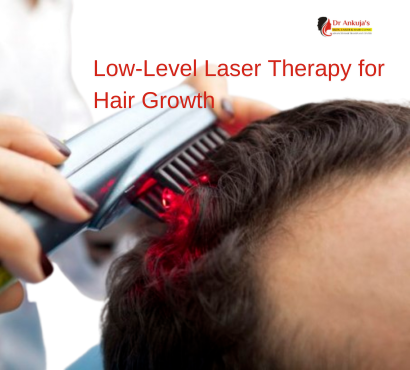
Low‑level laser therapy (LLLT), also called low‑level light therapy or “laser caps/combs,” is now widely marketed as a painless, non‑invasive option for treating pattern hair loss in men and women. Devices using red or near‑infrared light promise thicker, denser hair with just a few short sessions per week at home or in clinics. Understandably, patients in India wonder: Does this actually work? Is it safe? Or is it just hype? Scientific studies over the last decade show that LLLT can stimulate hair growth in androgenetic alopecia when used correctly, particularly as an add‑on to standard treatments like minoxidil. This blog explains how it works, what the research says, who may benefit, and what realistic expectations should look like. What Is Low‑Level Laser Therapy (LLLT) for Hair? LLLT uses low‑intensity red or near‑infrared light (typically around 630–680 nm) delivered via diodes in combs, helmets, caps, or panels. The light is not strong enough to burn or cut tissue; instead, it is thought to modulate cellular activity—a process called photo biomodulation. For hair loss: Light penetrates a few millimetres into the scalp, reaching hair follicles. It is believed to increase mitochondrial activity and ATP production, improve microcirculation, and shift follicles from the resting (telogen) phase back into the growing (anagen) phase. Treatment is usually done several times per week for many months, either in clinics or with home devices. What Types of Hair Loss Can LLLT Help? Current evidence is strongest for androgenetic alopecia (AGA)—male and female pattern hair loss. Devices have been evaluated in men with typical recession and thinning on the crown, and in women with diffuse thinning along the mid‑scalp. There is limited but emerging evidence for some other conditions like alopecia areata with certain devices, but AGA remains the main approved indication. LLLT is not a cure for scarring alopecias where follicles are permanently destroyed. What Does the Research Say About Effectiveness? Multiple clinical trials and reviews have assessed LLLT: A review of LLLT for AGA concluded that studies overall show significant increases in hair count and hair thickness compared with sham devices, in both men and women, when used regularly for several months. An Indian clinical trial adding LLLT to 5% minoxidil solution reported that the combination group had greater percentage increase in hair count and hair diameter at 12 months than those on minoxidil alone, with higher patient satisfaction scores. Multicentre randomised controlled trials of FDA‑cleared laser combs and helmets also found statistically significant improvements in terminal hair density versus placebo devices, typically visible from 16–26 weeks onwards. Overall, the evidence supports that: LLLT is modestly effective at improving hair density and thickness in AGA. Results are best when used consistently and often alongside other treatments rather than as a stand‑alone cure. How Is LLLT Used in Practice? Protocols vary by device, but common patterns include: 2–4 sessions per week. Session length 15–30 minutes (depends on device design and power). Treatment period at least 3–6 months before judging results; many studies follow patients up to 12 months. Options: Clinic‑based devices – higher upfront device cost borne by the clinic; patients pay per session. Home devices (caps, combs, bands) – one‑time device purchase with self‑use under medical guidance. LLLT is often combined with: Topical minoxidil. Oral medications like finasteride in men, other anti‑androgens in women. Nutritional support and hair‑care changes. Advantages of LLLT Non‑invasive and painless: No needles, cuts, or anaesthesia. Convenient: Many can be used at home; minimal downtime. Safety profile: Long history of LLLT use in other fields with a low incidence of adverse events. Can be used in both men and women and in many skin types. Useful for people who cannot tolerate systemic drugs or want to avoid surgery. Potential Side Effects and Limitations LLLT is generally well tolerated, but some points to note: Occasional initial shedding (telogen effluvium) has been reported in the first 1–2 months of treatment with some devices, typically resolving with continued use. Mild scalp warmth, tingling, or dryness can occur. Theoretical concern exists that proliferative light therapy might stimulate growth of undiagnosed dysplastic or malignant scalp lesions, so suspicious moles or lesions should be evaluated before starting. Biggest limitation is time and adherence; patients often stop too early or use devices inconsistently, reducing effectiveness. Also, LLLT: Does not work equally well for everyone; some patients show modest or no response despite correct use. Usually provides thickening and density increase, not complete restoration in advanced bald areas; such patients may still require hair transplant. Who Is a Good Candidate? Likely to benefit: Men and women with early to moderate androgenetic alopecia, where miniaturised follicles are still present. Those already using minoxidil and/or oral agents who want an additional boost. Patients preferring non‑drug, non‑surgical options or those not ready for hair transplant. Less likely to benefit: People with advanced baldness (shiny scalp with few visible hairs). Scarring alopecias (lichen planopilaris, frontal fibrosing alopecia, etc.). Untreated underlying medical causes of hair loss (thyroid disease, iron deficiency) – these must be addressed first. A dermatologist or trichologist should confirm diagnosis and stage before recommending LLLT. Practical Expectations for Indian Patients Visible change often begins after 3–4 months, with optimal improvement around 9–12 months. Improvement is usually described as: More hair per square centimetre. Thicker shaft diameter. Less visible scalp and easier styling. Once gains are achieved, maintenance use is often necessary; stopping entirely may lead to gradual return to baseline, similar to minoxidil. Cost varies widely between clinic‑based sessions and home devices, so explaining realistic outcomes helps patients make informed financial decisions. FAQs 1) Is low‑level laser therapy as effective as minoxidil or hair transplant? LLLT has shown significant but generally modest improvements in hair density compared with placebo, and appears to work best as an adjunct to treatments like minoxidil, not a full replacement. Minoxidil and oral anti‑androgens (where appropriate) often remain the backbone of medical therapy, while hair transplant is the most effective option for advanced bald areas. LLLT is best thought of as a non‑invasive
Hair Loss Solutions: From Medication to Advanced Hair Restoration Techniques

Hair loss is a common concern that affects millions of people worldwide. Whether it’s due to genetics, hormonal imbalances, or medical conditions, hair loss can significantly impact one’s self-esteem and confidence. Fortunately, there are various effective solutions available to address hair loss and promote hair growth. This comprehensive guide will explore the different options, from medications to advanced hair restoration techniques. Causes of Hair Loss Understanding the underlying causes of hair loss is essential for selecting the most appropriate treatment. Common causes include: Medications for Hair Loss Several medications can help treat certain types of hair loss, especially hereditary hair loss. The most commonly used medications include: Advanced Hair Restoration Techniques For more severe cases of hair loss, advanced hair restoration techniques may be considered. These procedures involve transplanting hair follicles from one area of the scalp to a balding area. Common techniques include: Choosing the Right Treatment The best hair loss treatment for you will depend on several factors, including the severity of your hair loss, the underlying cause, and your personal preferences. It’s essential to consult with a healthcare professional or a hair restoration specialist to discuss your options and determine the most suitable treatment plan. Hair loss can be a distressing condition, but there are effective solutions available. By understanding the causes of hair loss and exploring the various treatment options, you can take steps to restore your hair and improve your confidence. Frequently Asked Questions Please Consult with a Healthcare Professional for any questions about your Hair Condition.
Increasing Hair Growth Following a Hair Transplant

Many people become aware of hair-related issues, such as hair loss or thinning hair, which can lead to balding. Although there are some temporary fixes for hair loss, they don’t offer long-term answers. One may consider Sapphire or FUE/FUT hair transplants for results that last. For hair transplantation, both surgical and non-surgical methods can be employed. Some people worry about regrowth even though a hair transplant is an excellent treatment. According to experienced surgeons, new hair can take at least six months to fully sprout and appear natural. You underwent a hair restoration operation at Hair Sure at that time, the grafts have since healed, and you are currently expecting the results. The hairs in the transplanted follicles will typically fall out and become dormant for over two months as the healing process progresses. In those follicles, new hairs will start to grow in three to four months. When can I start noticing my new hair? Are there any steps I can do to speed up hair growth? are common questions we get from patients. How Can Hair Growth After a Hair Transplant Be Accelerated? While genetics play a significant role in how quickly or slowly hair grows, additional factors, such as:- · Age · Diet · Stress · Hormones · Hair-care routines · prescription drugs, if you take any · Hair growth speed depends on general health. Men’s hair tends to grow more quickly than women’s, unless a woman is pregnant, it is a common observation. If you want to see your new hair sooner, reduce your stress, which is great for your overall health. The new hair grows swiftly since your general health has improved. Hairstyle techniques for promoting healthy hair development · Use caution when using high-speed blow dryers, curling irons, and flat irons. · Avoid using any chemical-based treatments or styling products. · A tight haircut might harm your hair and hair follicles, so stay away from them. What dietary changes will hasten your hair’s growth? · Consume foods high in antioxidants, such as blueberries, squash, peppers, cherries, and tomatoes. · Drink more liquids, such as shakes, and at least 6 to 8 glasses of water each day. · Drinking and smoking should be avoided since they will slow healing. · Biotin, or vitamin B7, is necessary for the development of thick, healthy hair and nails. Hair loss, weak nails, and whim-whams damage are all indications of insufficiency. For healthy hair growth, which might be difficult for insectivores and insectivores, protein is also essential. · B6 vitamin · B12 vitamin · Vitamin B6 · Important adipose acids, particularly omega-3s. · Iron · Zinc · Magnesium At our Advanced Hair Transplant Center, we serve as both your surgeon and your advisor. From the moment you get in touch with us until you are happy with the result, we are here for you. Reach out us today!! Consult at Best Hair Transplant Clinic in Pune
Hair Transplant is now becoming extremely popular in metro cities.

Hair Transplant is now becoming extremely popular in metro cities. Most of the people adopt this as cosmetic process. FUE , Front hairline & Hairline advancement these are the various types of transplant techniques available that boost patient confidence in transplantation. Furthermore, because these treatments produce natural-looking outcomes, an increasing number of people are opting for hair transplants. However, there are a few factors you should avoid in the first few weeks after hair transplant procedure, if you want long-term results. If you have permanent baldness, you should visit the Best Hair Transplant Clinic in Pune to restore your youthful appearance. Dr. Ankuja Mhaske is a well-known name in the field of hair transplantation in Pune and India. For each client, we try to deliver the finest possible results. We understand that one solution will not work for everyone, therefore we tailor each case to the individual’s needs and budget. We are not only your surgeon but also your advisor at our Advanced Hair Transplant Center. We are with you from the moment you contact us until you are satisfied with the outcome. Reach out us today!! Consult at Best Hair Transplant Clinic in Pune
Myths and facts about hair transplants for young men
Men are emphasising their appearance more and more. For example, they place more emphasis on their haircuts and strive to always appear their best. But kids are beginning to lose their hair at an early age as a result of pollution, eating habits, a busy schedule, and poor sleep. There are many false hair transplant misconceptions on the internet, and the information is not readily available. This is the main cause of the misconceptions most of us have about hair transplant procedures. The truth regarding hair transplants and young men’s hair loss will be revealed in this blog. Myth: An instantaneous response from a hair transplant The growth of hair is not instantaneous. It depends on the patient’s rate of recuperation following the procedure. Few individuals heal quickly, and few heal slowly. Overall, it would take four to six weeks, with a maximum of 12 months, to satisfactorily demonstrate all results. Hair loss during surgery is rather common, but soon the newly implanted hair follicle begins to develop and appears natural. The truth is that you should debunk all the myths before choosing to have a hair transplant. Myth: Getting a hair transplant hurts a lot. Given that only the operative area is made numb throughout the treatment and the patient is awake and conscious, it is a comparatively painless medical procedure. Following surgery, the surgeon will prescribe painkillers for 2 to 3 days. The hair follicles are removed from the donor location and placed on the recipient’s site using the most recent Follicular Unit Extraction (FUE) technique. The insertions are between 0.7 and 0.8mm, which speeds up recovery and reduces the need for painkillers for the patients. Myth: Hair transplants only help men The hair transplant is not just for guys, in actuality. It also applies to women. Women have problems with thinning hair, while men struggle with baldness. Hair transplants can only be performed after the age of 25, when hair loss begins to decline, and it is simple to examine the patient’s hairline pattern. Hair transplants are not gender-specific. Myth: Only those with wealth can afford it The idea that only wealthy people can afford hair transplants is untrue. NO. The price is determined on the number of sessions needed and the area of baldness that needs to be treated. Depending on the grafting approach, each secession takes between 6 and 8 hours; the surgeon gives their patients advice on which procedure is most appropriate for a hair transplant after examining the pattern of their hairline. Myth: Temporary results FUE is one of the most recent hair transplant procedures, and it produces results that last for years. The patient should take good care of themselves both before and after surgery. The individual can resume their regular work duties after roughly a week. Myth: Young people can only get hair transplants It is a fact that men begin to experience balding problems at an early age, but this does not indicate that only young men are affected. Hair transplants are also an option for women and anyone over 75 who are in good health. After the procedure, people may have a hairline that looks natural if their donor hair is of healthy quality. Myth: The results are not organic Fact: People find it difficult to tell that the individual has had a hair transplant because the outcome seems so natural. Given that it takes a year to fully recuperate and resume normal life, it’s only a matter of time. Myth: Bigger grafts will result in greater density The false assumption that larger grafts result in denser hair is debunked. The hair is removed from the back of the head and implanted in the bald spot by the surgeon. The quantity of transplanted grafts, not their size, determines the density of the hair. Larger grafts could produce hair that looks unnatural. Myth: Hair transplants for women don’t work FACT: Not just men can have hair transplants. It also applies to women. Both men and women can benefit from hair transplants. Women who are bald experience it differently than men. Hair generally thins out in women. Myth: Having a hair transplant can harm your brain Factual statement: Since no area of the brain is directly touched during the process, there can be no effect on the brain. The repair from the hair transplant is superficial. Only the scalp of the skin is affected and the surface is not penetrated during this treatment. Myth: Older people shouldn’t get hair transplants Age does not, in any way, play a significant role in hair transplant surgery. Seniors have a higher success rate for hair transplants. At a younger age, the hair fall pattern is erratic. While in old age the bald spot is fixed and the hair fall settles. A skilled surgeon will carefully inspect the donor area, determine whether new hair will grow after the procedure, and compare the texture and quality of the new hair to the existing hair. Visit our website or stop by our conveniently located HairClinic facility if you have any additional misconceptions regarding hair transplants. Hair Transplant Clinic at Pune to know more +91 75586457575