Home > Services > Mesotherapy
Mesotherapy
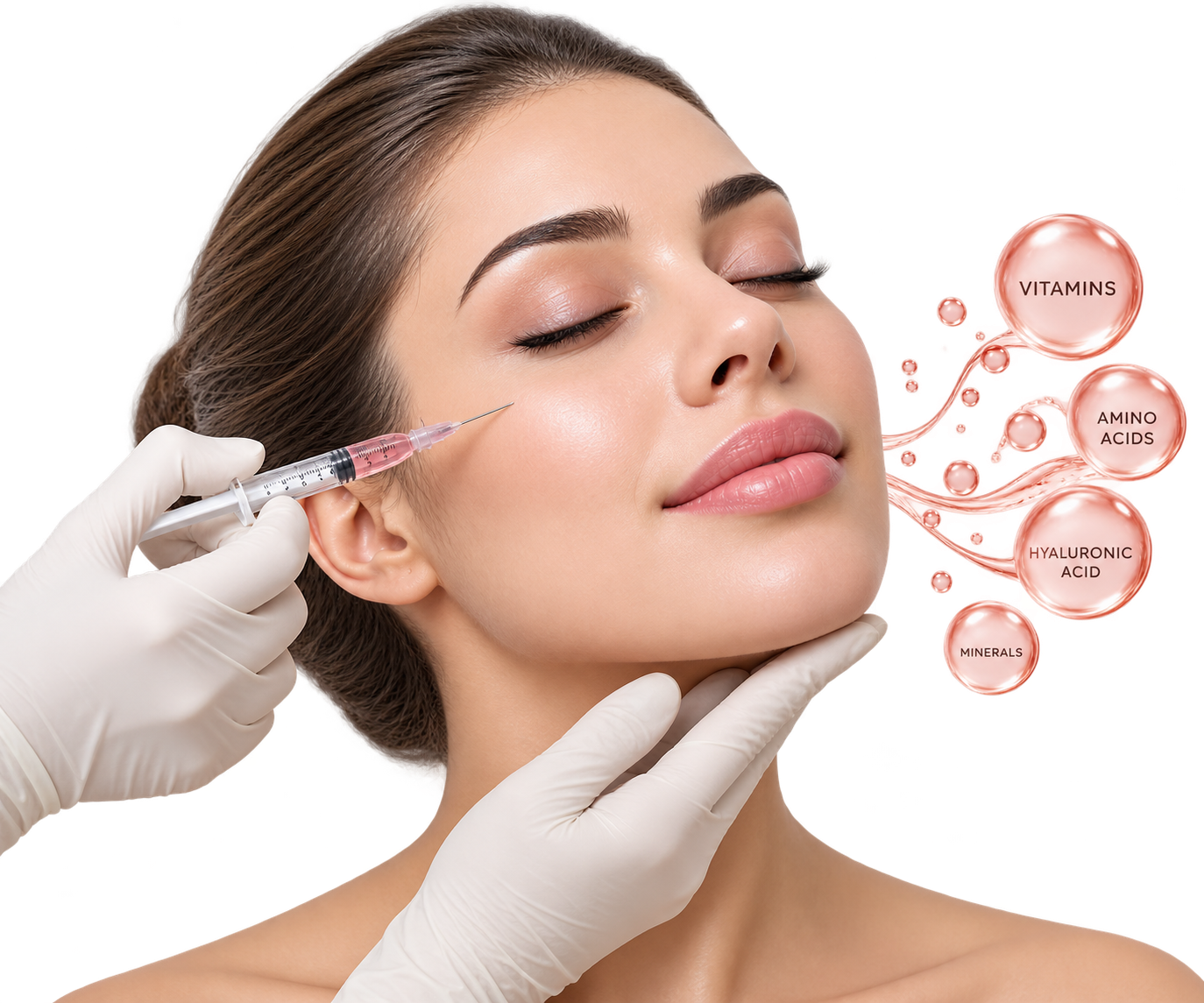
Acne treatment encompasses a range of therapies aimed at managing and reducing acne breakouts, inflammation, and scarring. Acne can affect individuals of all ages and is caused by various factors, including excess oil production, clogged pores, bacteria, hormonal fluctuations, and inflammation.
Topical Treatments: Over-the-counter or prescription topical medications containing ingredients such as benzoyl peroxide, salicylic acid, retinoids, or antibiotics may be used to reduce oil production, unclog pores, and kill acne-causing bacteria.
Oral Medications: Oral antibiotics, hormonal medications (e.g., birth control pills), and isotretinoin (Accutane) may be prescribed by a dermatologist to address more severe or persistent cases of acne by targeting inflammation, bacteria, and hormonal imbalances.
Professional Treatments: Dermatological procedures such as chemical peels, microdermabrasion, laser therapy, photodynamic therapy (PDT), or acne extractions may be recommended to accelerate acne healing, reduce inflammation, and improve skin texture and tone.
Lifestyle Modifications: Adopting a consistent skincare routine, avoiding harsh or comedogenic skincare products, managing stress levels, maintaining a healthy diet, and avoiding excessive sun exposure can help improve acne symptoms and prevent future breakouts.
Complementary Therapies: Some individuals may benefit from complementary therapies such as light therapy, acupuncture, herbal supplements, or dietary changes to address underlying factors contributing to acne and promote overall skin health.
By working closely with a dermatologist or skincare professional, individuals can develop a personalized acne treatment plan tailored to their specific needs and goals. With consistent treatment and proper skincare habits, many individuals can achieve clearer, healthier skin and regain confidence in their appearance.
Trusted Care. Proven Expertise. Real Results. Lasting Confidence.?
Board-certified dermatologists specialize in diagnosing and treating the skin, hair, and nails. They have the expertise to tell you whether the change is harmless or requires medical testing.
Acne is a skin condition that occurs when your hair follicles become plugged with oil and dead skin cells. It causes whiteheads, blackheads or pimples. Acne is most common among teenagers, though it affects people of all ages. Effective acne treatments are available, but acne can be persistent.
Hair transplant, or restoration surgery, can make the most of the hair you have left. During a hair transplant procedure, a dermatologist or cosmetic surgeon removes hair from a part of the head that has hair and transplants it to a bald spot. Each patch of hair has one to several hairs (micrografts and minigrafts).
Best Hair Transplant Surgeon in Pune
Best Skin Treatment Doctor in Pune
Aesthetic Physician, Cosmetologist,
Dermatologist & Trichologist
+91 75586 45757 / +91 72496 71880
ankuja.mhaske@gmail.com
Copyright © 2026 Dr. Ankuja Mhaske